Apple recently crossed a historic milestone, becoming only the second corporation in the world to end a trading day with a market capitalization above the $5 trillion mark. Until now, this achievement had been claimed exclusively by technology giant Nvidia, which is actively developing infrastructure for artificial intelligence. Closing the trading session at $5.005 trillion marked a milestone event, capping off a long and exceptionally successful era of leadership under Tim Cook, who stepped down as CEO at the end of the summer.
The Era of Tim Cook and Challenges for the New Leader
Over fifteen years under Tim Cook's leadership, Apple's market value saw tremendous growth, increasing thirteen-fold. Large-scale changes affected all key business areas: annual iPhone sales grew nearly fourfold, and the high-margin services segment expanded from $10 billion to nearly $100 billion annually. The introduction of devices such as the Apple Watch and AirPods brought the company tens of billions of dollars more. Meanwhile, Cook's financial strategy included a massive share buyback and dividend payout exceeding one trillion dollars, which further strengthened investor confidence.
Market Strategy and Investor Demand Characteristics
To date, Apple's shares continue to trade at a premium relative to the broad S&P 500 index, even though the company's revenue growth rates remain below market averages. Market participants view the corporation's securities as a reliable asset with predictable financial outcomes. One of the key factors of success was Cook's prudent restriction of capital expenditures, which helped minimize risks and increase overall profitability. This became especially evident against the backdrop of massive investments by other tech giants into the construction of costly data centers for artificial intelligence systems.
Contradictory Data
Within the expert community and among investors, there are notable disagreements regarding Apple's current artificial intelligence strategy and its future competitiveness. On one hand, critics are concerned that the corporation initially lagged behind competitors in creating its own advanced AI models, while the Siri voice assistant long lagged behind alternatives. To remedy this, Apple partnered with Google and integrated third-party technologies, though the company has yet to present a full response to the trend of autonomous AI agents. On the other hand, financial analysts note that a loyal audience and deep service integration within the ecosystem guarantee high demand even amid price increases driven by rising memory chip costs from the broader AI boom.
Competitor Threats and Legal Disputes
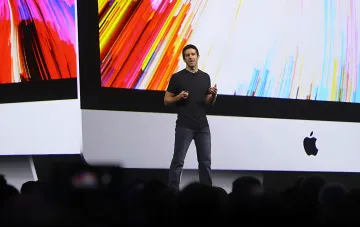
Additional pressure on the company's position is exerted by rapidly developing competitors, particularly the startup OpenAI. The latter has been actively developing its own hardware devices, hired several hundred former Apple engineers, and became the target of a lawsuit filed by Apple alleging trade secret theft. Under these conditions, new CEO John Ternus must prove his ability to lead the company forward, overcoming technological challenges and protecting intellectual property in a highly competitive global market.