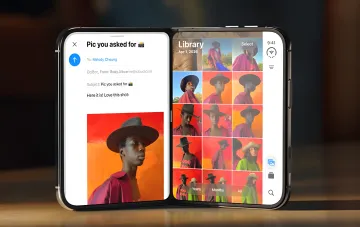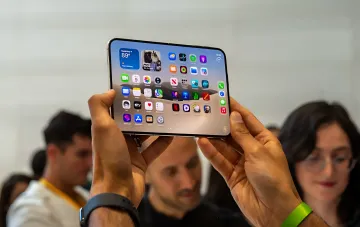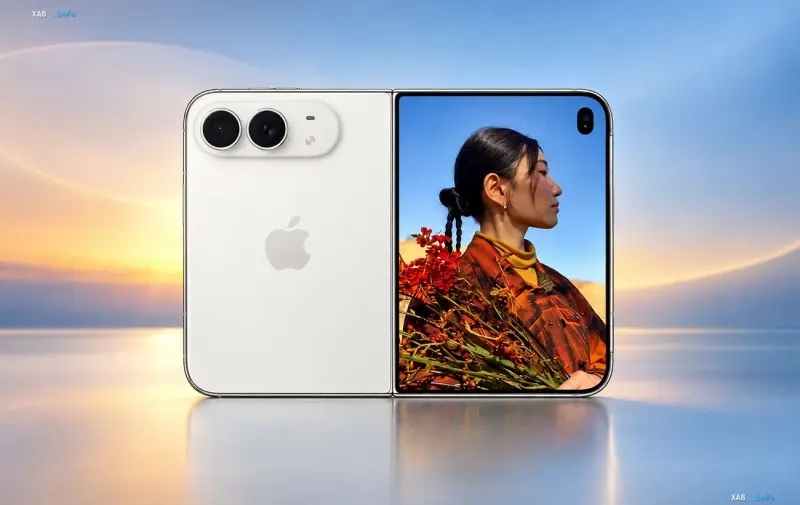
Apple is actively working on the second generation of its foldable iPhone Duo smartphone, implementing advanced technological solutions. According to analytical data from Mark Gurman for Bloomberg, engineers in Cupertino are testing prototypes featuring an innovative under-display Face ID scanner and the potential return of the physical Action Button.
Second-Generation Development and New Technologies
The original model of the foldable smartphone was released with a side-mounted Touch ID fingerprint scanner integrated into the power button. This design choice became a necessary compromise due to the ultra-thin profile of the unfolded device, which physically lacked sufficient space for classic spatial face-scanning sensors. Company engineers are attempting to overcome these limitations in subsequent modifications.
In prototypes of the updated device, the hardware Face ID modules are located directly beneath the surface of the external display. Nevertheless, a final decision from company management has not yet been made, and the implementation of this feature could be postponed to the release of the third generation if current testing is delayed.
Engineering Changes and Ergonomics
In addition to integrating the facial recognition system under the screen, developers are considering the return of the multifunctional physical Action Button. The first generation of the device lacked this control element due to the dense arrangement of internal components and the complex architecture of the folding mechanism.
Such technological leaks coincide with logistical difficulties regarding the supply of the first version of the iPhone Duo. Due to high consumer demand and limited production capacities, delivery times for pre-orders have shifted significantly, causing part of the audience to reconsider purchasing the base model priced at $1,999.
Prospects and Market Impact
The emergence of information regarding the development of an improved device could adjust consumer behavior in the global portable electronics market. Some potential buyers might prefer to wait for the release of the refined version featuring standard Apple biometric systems rather than acquiring the initial foldable gadget.