Apple, according to reports, is developing its own AI agent capable of executing multi-step tasks on a computer on behalf of the user: working with applications, opening websites, running commands, and writing code. At the same time, the company is tightening restrictions on third-party AI agents in the macOS 27.3 update, making it harder for them to gain full control over the user's machine. Thus, Cupertino is simultaneously building its own agentic assistant and closing the "doors" to rival solutions.
What the new agent is expected to do
According to a job description cited by the publication, the agent is envisioned as a user who operates a computer "just like an experienced human." It will browse web pages, work across various applications, execute commands, write and configure code, invoke services, and select the right tool for each step. The description emphasizes that the agent must seamlessly switch between tools and perform multi-step tasks across apps, browsers, the command line, code, and via APIs — all while maintaining privacy and the signature quality associated with Apple products.
Leadership search and project stage
To create this agent, Apple is searching for an engineering lead. The company has not yet commented on development details, and the project itself is reportedly at an early stage, potentially arriving no earlier than the end of next year. This means there is likely still time before a public release for refinement, testing, and ecosystem integration with macOS.
Restrictions on third-party agents in macOS 27.3
Alongside the development of its own assistant, Apple is making it more difficult for third-party AI agents to gain full control over user computers. The macOS 27.3 update is planned to introduce warnings cautioning against granting full access to external agents. Back in October, Apple warned developers about introducing additional restrictions: users will now be able to grant such broad access to an app only after a separate, explicit confirmation.
Context: the agentic services race
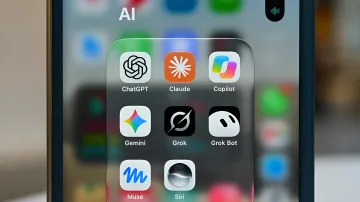
The development of agentic services is currently being actively pursued by other major players — specifically OpenAI, Anthropic, and Meta. Against this backdrop, Apple's silence on the details of its own project looks like a deliberate tactic: the company is not disclosing its roadmap, but judging by the job posting and changes in macOS, it is already shaping both the product and a protective moat around it. The result could be a "proprietary agent + strict access control" bundle that sets Apple's approach apart from the more open agent platforms of its competitors.