In August 2026, the wearable device industry is set to witness one of the most significant updates in recent years. Apple, traditionally dictating trends in the smartwatch segment, is preparing a major reorganization of its Apple Watch lineup. According to the latest analytical data, Cupertino not only plans to bring premium ceramic cases back into production but is also testing radically new design concepts that could revolutionize the perception of what a smart gadget on the wrist should look like.
The Return of the "Black Diamond": Ceramic Case
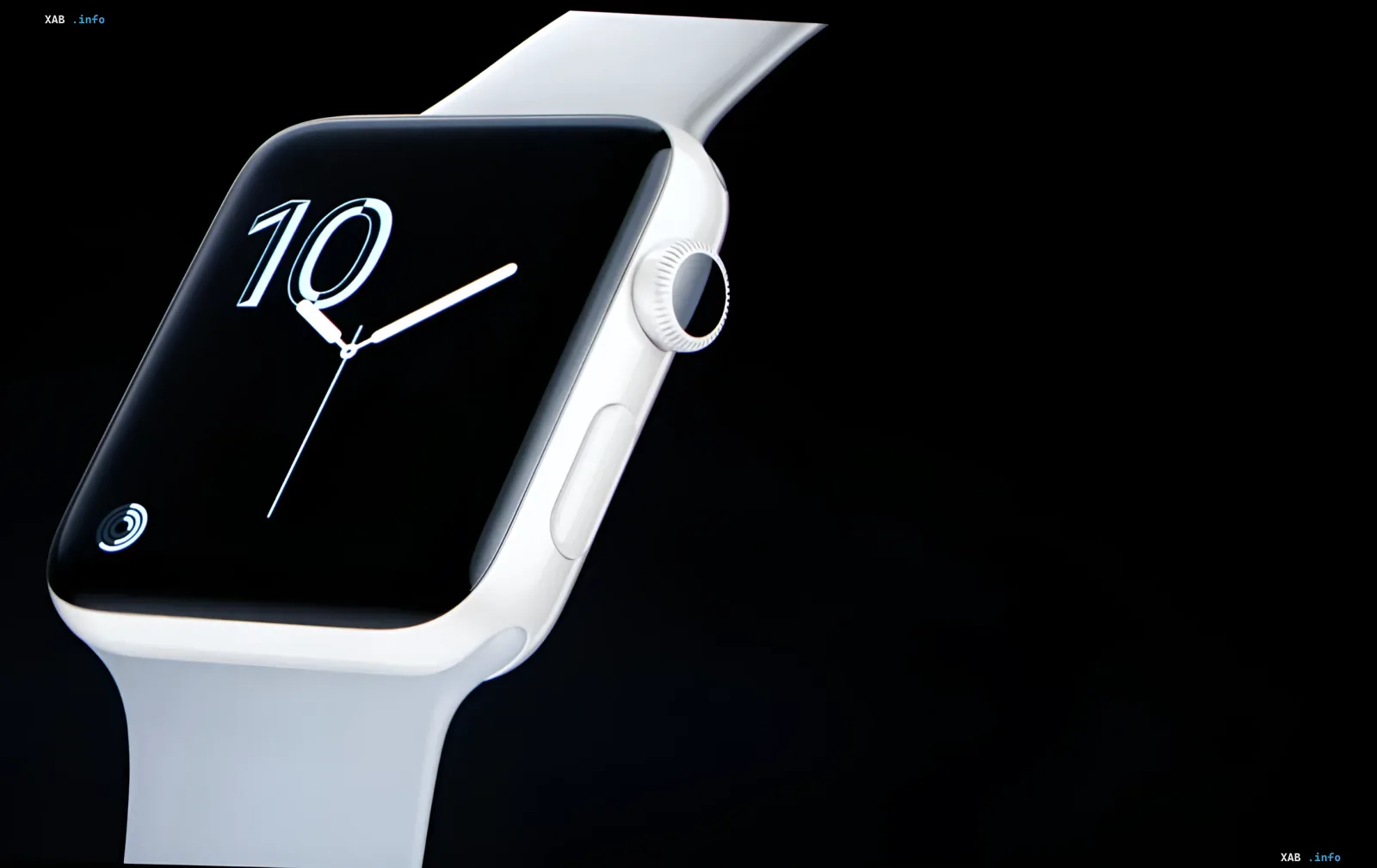
One of the main surprises of the upcoming update will be the revival of the ceramic case, which first appeared in the Apple Watch Series 2 lineup. This material, known for its exceptional durability, scratch resistance, and luxurious appearance, was completely removed from the assortment in 2020 following the release of Series 6. However, according to Bloomberg analyst Mark Gurman, Apple is ready to bring back this premium option by the end of 2026.
It is expected that the ceramic version may debut alongside the announcement of Apple Watch Series 12 or in the next generation. This decision will allow the company to fill the niche of ultra-premium devices, competing with luxury brands. Historically, ceramic models were positioned above titanium and classic versions: for comparison, Apple Watch Series 5 in ceramic cost from $1299, while titanium versions started from $799. Probably, in 2026, the price of the novelty will correspond to the flagship status.
Design Experiments: From Round Dials to Screenless Devices
In addition to materials, Apple is actively testing new form factors, striving to expand the audience for its wearable devices. The company's engineers are working on a version with a round display, which will visually resemble classic analog watches. Such a move could attract conservative users who value traditional design but want to get the functionality of smartwatches.
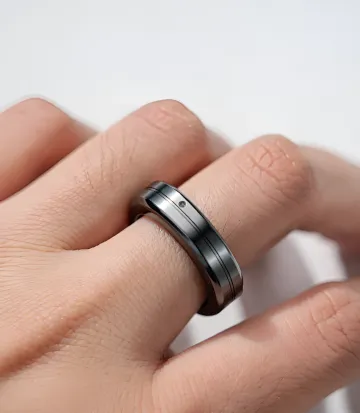
An even more radical novelty will be a compact device without a screen. This gadget, devoid of a display, is intended to compete with popular fitness trackers from Whoop, Garmin, and Fitbit. The absence of a screen will allow significantly increasing battery life and reducing the cost of the device, making it an ideal option for those who focus exclusively on collecting health and sports activity data.
Update Strategy: Internal Power and External Variety
Despite external experiments, the main models of the next generation — Apple Watch Series 12 and Apple Watch Ultra 4 — will receive predominantly internal updates. They will be based on more powerful processors, ensuring faster app performance and improved algorithms for processing health data. However, it is the new conceptual designs and the return of ceramic that will become the key marketing features, allowing Apple to rethink the lineup of wearable gadgets.
The company aims to offer users the widest possible range of options: from ultra-premium ceramic models to minimalist screenless trackers. This indicates that Apple understands the need to adapt to changing market needs, where competition in the fitness tracker and smartwatch segment is becoming increasingly fierce.
Contradictory Data
Although most sources agree on the imminent return of ceramic, there are discrepancies in the details of implementation. Some analysts suggest that the ceramic case may appear only as part of a special edition or limited series, while other sources point to its integration into the main Series 12 lineup. In addition, the launch dates for the screenless model remain uncertain: some experts predict its release as early as September 2026, others — in early 2027. These contradictions reflect the high degree of secrecy that Apple maintains around its projects.