The 'Tunnel' as the Foundation of the Negotiation Process
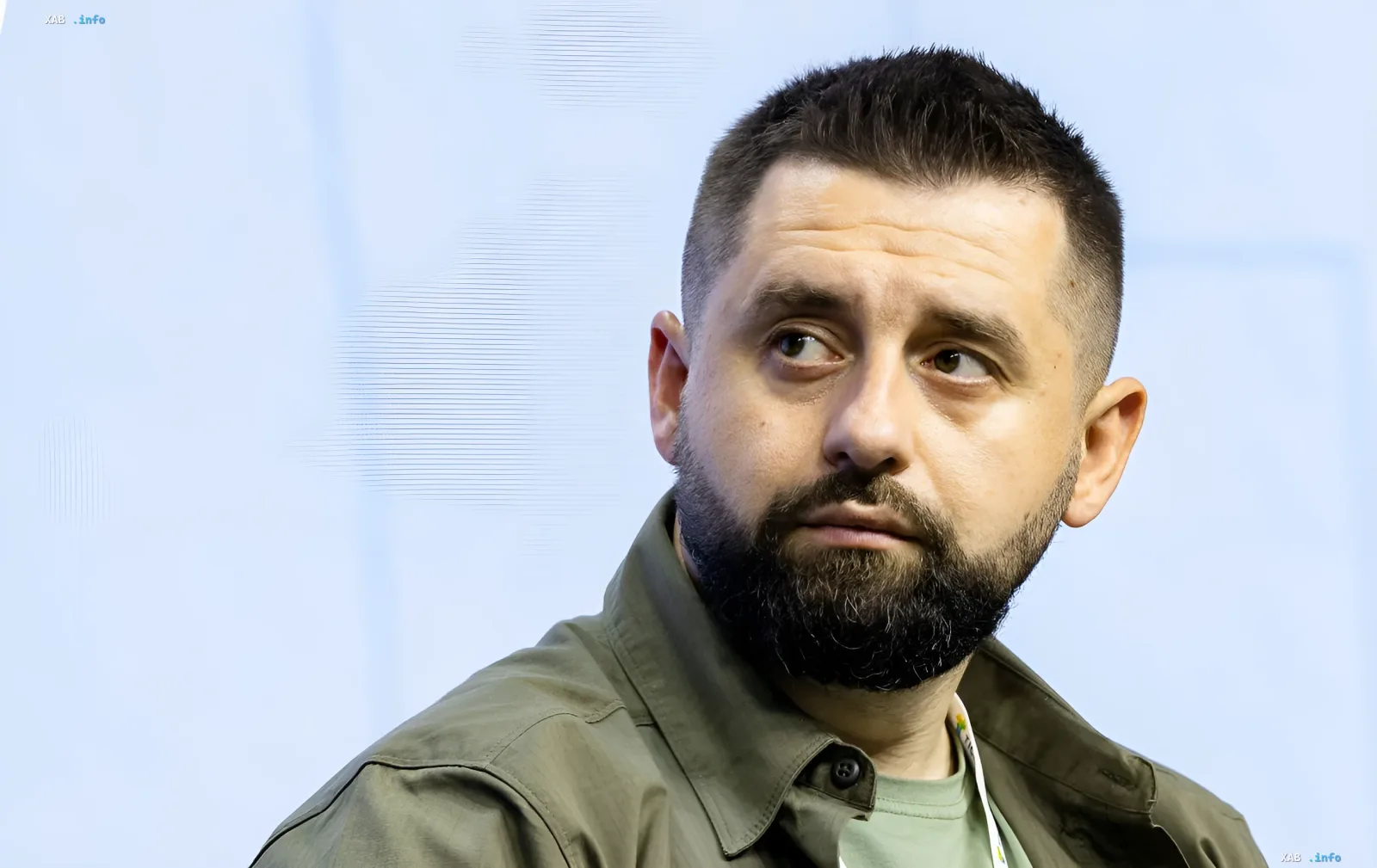
David Arakhamia, head of the 'Slysha People' faction and a member of the Ukrainian negotiation team, outlined the key concept that, in his words, Kyiv adheres to in its relations with Moscow, during the YES Annual Meeting 2026 conference organized by the Viktor Pinchuk Foundation. According to him, Ukraine is striving to establish not one-off contacts but precisely a systematic negotiation process with Russia. The central metaphorical image Arakhamia used to describe this strategy was the notion of a 'tunnel': to dig it, one must build regular and systematic contact in a single location with a constant lineup of participants. 'Sometimes you fail in negotiations, but I would not say that you start completely from scratch every time. You start from something, you gain some knowledge about it, and you establish some connections around it,' the MP explained, emphasizing that even the absence of quick, visible results does not mean the loss of accumulated experience.
The Problem of Unipolar Decision-Making in Moscow
In response to a question about why the negotiation process with the Russian side is so difficult, Arakhamia pointed to a structural difference in the political systems of the two countries. In his words, unlike democratic Ukraine, in Russia decision-making depends entirely on a single person — Vladimir Putin. Moreover, the MP stressed that the Russian leader is currently surrounded exclusively by proponents of continuing the fighting. It is precisely this, in his assessment, 'war in the head' of the Kremlin that makes rapid progress toward peace impossible and turns each round of negotiations into months of work to find at least one voice in Putin's inner circle capable of speaking out for a ceasefire.
International Diplomacy as a Tool of Pressure
The Ukrainian strategy, as described by Arakhamia, involves actively engaging all possible international channels. The list of target directions includes Middle Eastern countries, BRICS states, and European partners. The main goal of this multi-vector work is to identify all officials in Putin's cabinet and increase the number of people advocating for the cessation of hostilities. 'The more people for peace there are around Putin, the better the chance that we will get a just peace, which is what we are all looking for. That is the way to do it, I believe,' the faction head summed up. Thus, Kyiv views the diplomatic encirclement of Moscow not as a formality but as an operational tool for influencing the domestic Russian agenda.
Context: The American Attempt to 'Revive' Stalled Negotiations
Arakhamia's remarks came against the backdrop of renewed diplomatic activity on the part of Washington. In early 2026, Ukraine and Russia held several rounds of negotiations with US mediation, but the process reached a dead end. In September, the American side made a new attempt to 'revive' the negotiation track: envoys Steve Witkoff and Jared Kushner visited Moscow and Kyiv to offer 'new ideas' for ending the war and to agree on holding a trilateral meeting. According to an RBK-Ukraine source, a potential outcome of Witkoff's and Kushner's work could be a winter energy ceasefire between Ukraine and Russia. The main argument on the American side was the observation that in previous winters Russia had still failed to achieve its stated goals, making a winter energy ceasefire a logical and mutually beneficial step.
What This Means for the Negotiation Track
The combination of Arakhamia's statements and the actions of the American mediators outlines a picture in which Kyiv is consciously abandoning the 'one big deal' model in favor of long-term, systematic work to build communication channels. The 'tunnel' strategy assumes that even in the absence of a breakthrough in the near term, every meeting, every contact, and every established communication channel creates a cumulative effect. In parallel, multi-vector diplomacy — from BRICS to the Middle East — is aimed at changing the configuration of the Russian leader's entourage and creating a critical mass of voices within the Kremlin in favor of peace. In a situation where a winter energy ceasefire is being discussed as a possible first concrete result of American mediation, Arakhamia's words about the need for patience and systematic effort sound like a direct appeal to Ukrainian society: there will be no quick victories in negotiations, but without a built 'tunnel,' a just peace will remain unattainable.