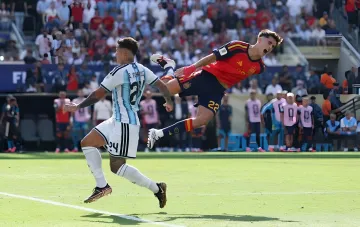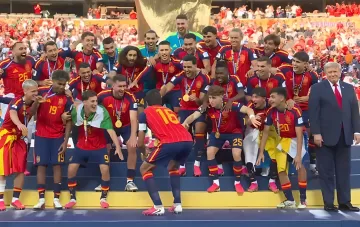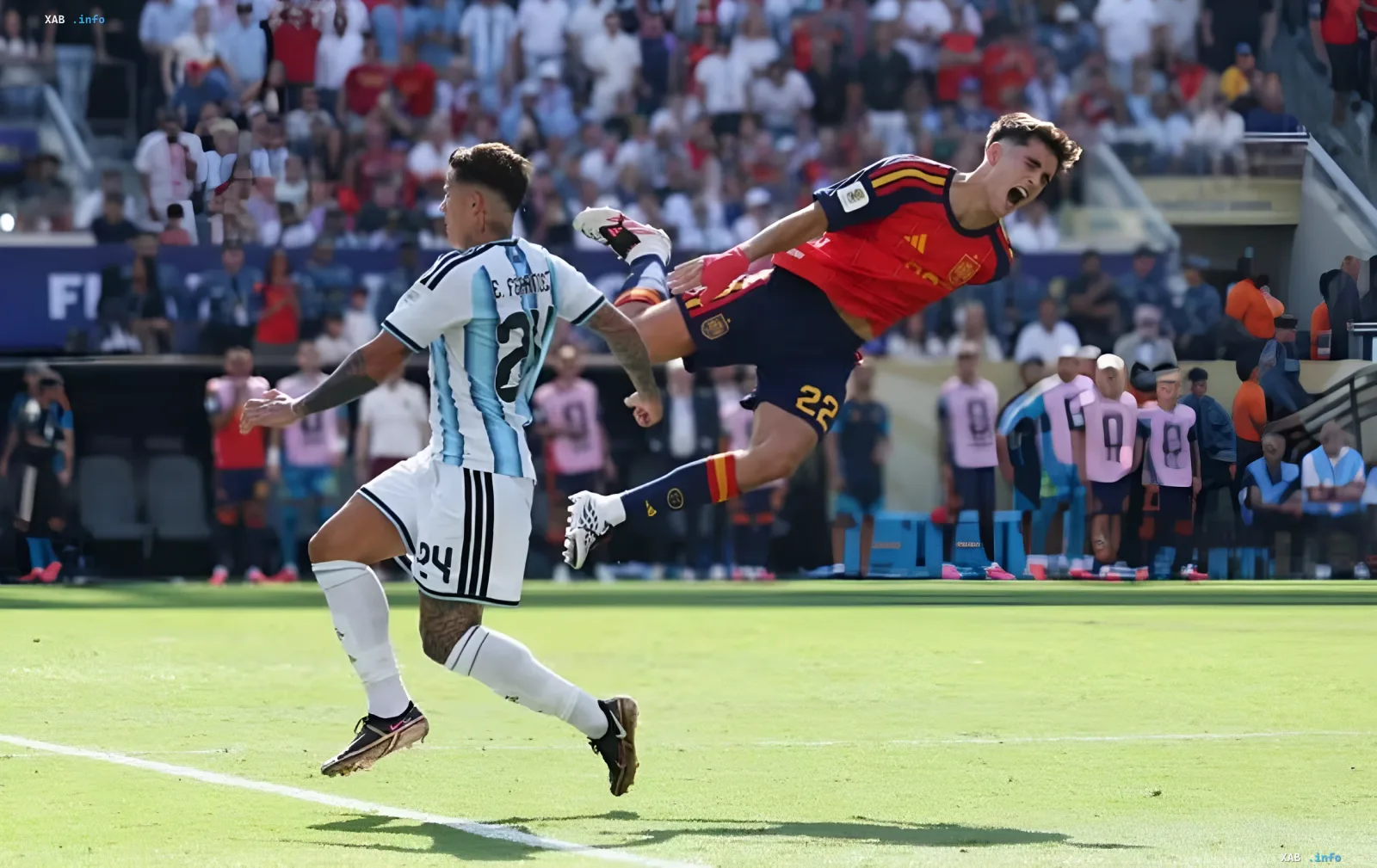
In the World Cup final between the national teams of Spain and Argentina, an event occurred that entered the history of world football as a unique statistical phenomenon. After the end of regular time, the score on the scoreboard remained zero — 0:0. However, behind the external statistics lay a dramatic asymmetry in the actions of the teams.
The Spanish national team, known as the "Furia Roja," demonstrated aggressive attacking football. According to official FIFA data, the Spaniards took 19 shots on goal at Emiliano Martínez. Despite the intense pressure, they failed to beat the goalkeeper of the world champions.
The situation with the opponents was fundamentally different. The reigning world champions, the Argentines, failed to register a single shot towards Unai Simón's goal. This event became the first in the history of World Cup finals where one of the teams did not take a single shot on the opponent's goal during regular time.
The anti-record was established not only in the overall statistics but also in the dynamics of the first half. In the first 45 minutes of the game, both teams took a total of only three shots on goal. Never before have World Cup finals been characterized by such low scoring and caution at the start of the decisive match.
Historical context of the confrontation
This match became a continuation of the long history of confrontation between two football giants. Previously, we have already told about the previous final matches of the Argentina and Spain national teams at the World Cups. However, the current game, judging by the statistical indicators, entered history as a match with the minimum number of attacking actions, which makes it a unique case in the annals of world football.