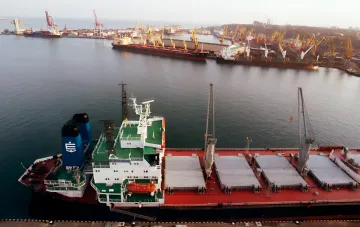
Russian authorities and the military are developing radical measures to protect grain exports. In response to a series of successful Ukrainian drone attacks on maritime infrastructure, officials are proposing turning civilian bulk carriers into armed vessels.
Fleet rearmament plan
According to data obtained by Bloomberg, Russia is discussing the temporary equipping of grain carriers with heavy machine guns and mobile missile systems. The initiative is being discussed at the level of the military, transport ministries, as well as with the participation of grain traders and shipowners.
Recommendations include installing armor plates on ships, special mounts for weapons, as well as using sandbags and anti-drone nets. According to the plan, the weapons should be equipped with thermal imaging or night sights to effectively combat threats at any time of day.
"Go-Pro" scheme and convoy tactics
It is proposed to implement a so-called "go-pro" scheme. Under this plan, armed military personnel will accompany the ships at the initial stage of the route. Directly in the ports of the Sea of Azov, they will install machine guns on prepared mounts. After passing the dangerous section — the Kerch Strait — the military will leave the ships, taking the weapons and ammunition with them.
An alternative option involves moving grain carriers in convoys between the Sea of Azov and the Black Sea under the escort of military patrol boats. However, despite the scale of the measures, the costs of retrofitting ships and providing security will fall on the shoulders of the traders and shipowners themselves.
Economic consequences and market skepticism
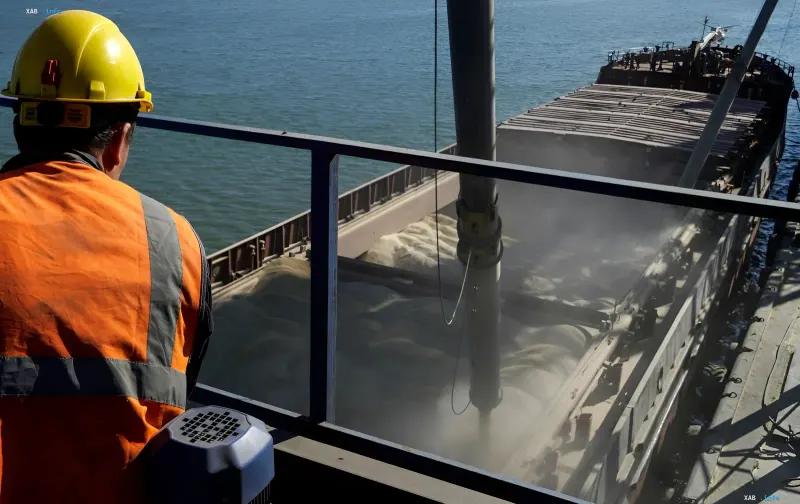
The reason for such harsh measures is the last few weeks, when shipping in the Sea of Azov has practically come to a standstill. About a quarter of Russia's grain exports usually pass through this region. Attacks on ports and ships have led to a rise in global wheat prices to a two-year maximum, which directly hits the income of farmers and exporters.
Nevertheless, some market participants are skeptical about the proposals. Experts fear that ship modernization will be too expensive, and military escort will not guarantee complete protection against high-precision strikes. At the same time, such measures indicate the seriousness of the threat that Ukrainian drones pose to Russian logistics.
Earlier, it became known that Russian occupiers began to disguise fuel supplies by hiding plastic tanks inside trucks with grain, trying to hide military shipments under the guise of civilian cargo.