Global food security is facing an unprecedented challenge. According to an analytical report by Bloomberg, the combination of military conflicts and extreme climate events is triggering a new wave of global food crisis. Experts warn that the current situation could lead to a massive shortage of basic food products, the consequences of which will be felt on all continents.
Factors Driving Grain Price Increases
The key driver of inflation in the agricultural sector has been the destabilization of logistics in the Black Sea region. Mutual attacks on port infrastructure and merchant vessels have led to a sharp spike in wheat prices. According to market data, grain prices rose by more than 10% in July — the most significant increase since 2024.
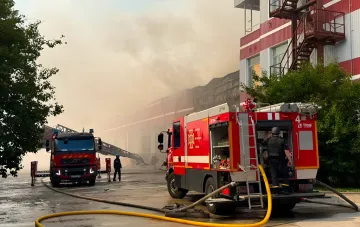
The situation is exacerbated by foreign shipowners refusing to enter Ukrainian ports due to attack risks. In response, Ukrainian unmanned systems forces have intensified operations against Russian shipping, resulting in the sinking of container ships and creating an atmosphere of instability for all market participants. Safe export routes for grain in the region are virtually non-existent.
Climate Anomalies and Harvest
Alongside geopolitical risks, farmers are facing climate catastrophes. The El Niño phenomenon, characterized by warming of Pacific Ocean waters, has caused catastrophic drought in Southeast Asia. In Thailand and Vietnam, the world’s largest rice exporters, yields have plummeted to minimum levels. This has driven rice prices to an 18-month high, threatening food security for half the planet’s population.
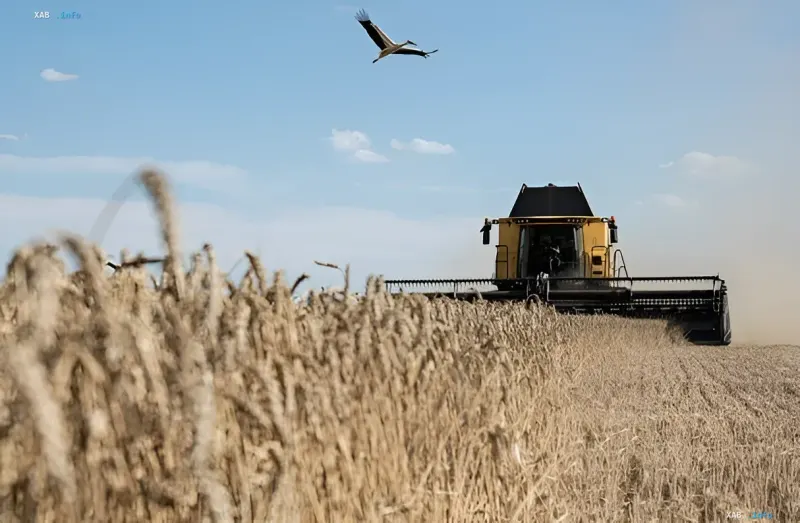
In Europe and across Ukraine, an anomalous “heat dome” is in effect. Temperatures exceeding +40°C are damaging corn and sunflower crops. Farmers are reporting mass crop failure, forecasting the strongest grain harvest decline in decades.
Energy Crisis and Production Costs
Additional pressure on agribusiness comes from rising resource costs. The US-Iran conflict has driven up oil and gas prices, directly affecting mineral fertilizer and fuel prices. Fertilizer production is energy-intensive, so its cost rises in sync with energy commodity prices.
Within Ukraine, the situation is compounded by a 25% diesel fuel shortage. This is due to peak demand during harvest season and widespread generator use. Major fuel station networks are forced to impose strict fuel dispensing limits, creating risks for timely sowing operations.
Outlook
Bloomberg analysts conclude that if geopolitical tensions do not ease and climate conditions do not improve, the world will face a cascading food shortage. The most vulnerable will be the poorest countries in Africa and the Middle East, which critically depend on food imports. Economic forecasts suggest the consequences of this crisis could be comparable to the disruptions of the pandemic period.