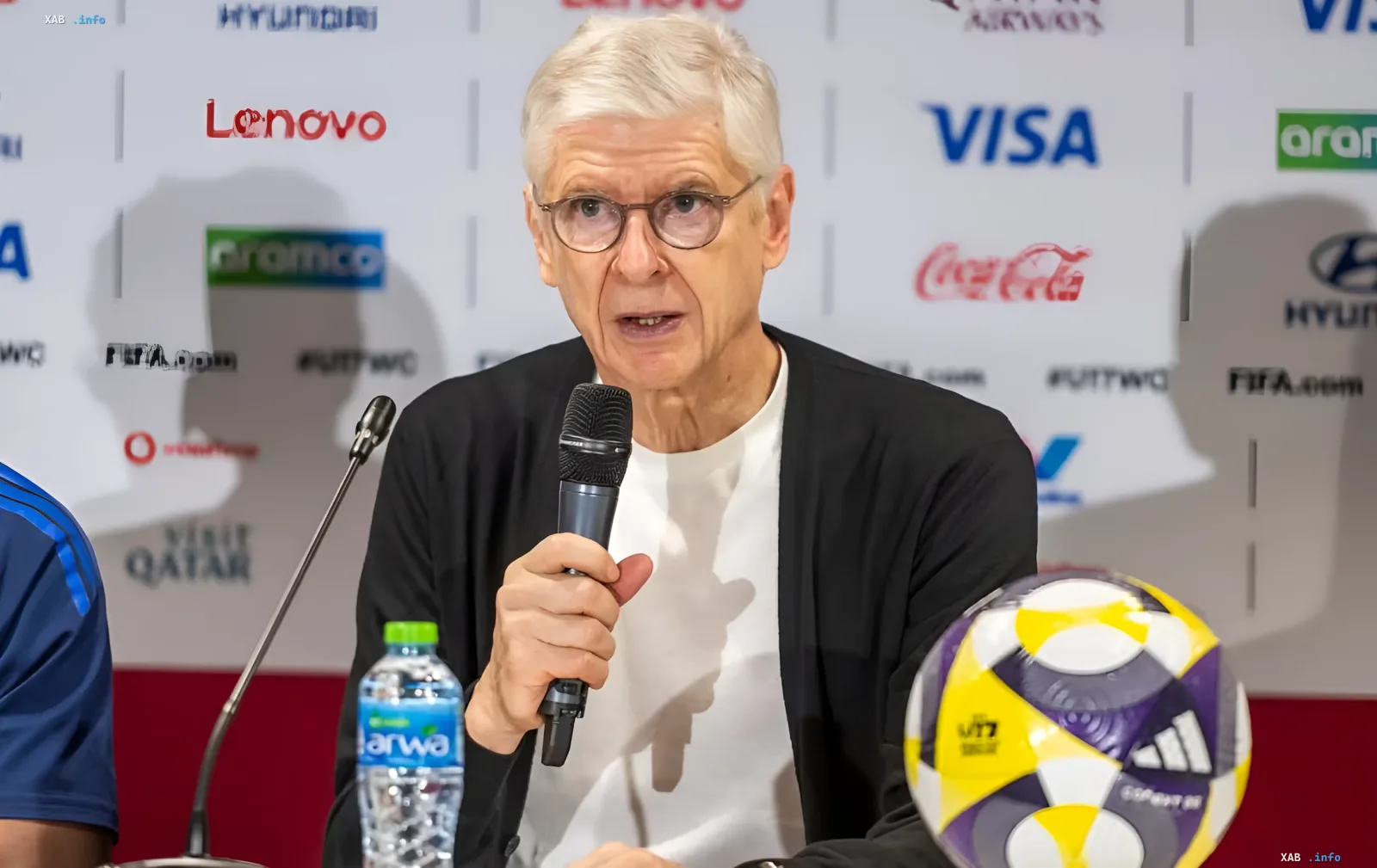
Arsene Wenger, Head of FIFA's Global Football Development Department, confirmed that the organization intends to conduct a detailed analysis of the feasibility of introducing mandatory hydration breaks. The final decision regarding the future of this innovation will be made immediately after the conclusion of the World Cup.
According to Sport RBC.UA, citing an interview with Wenger for BBC Sport, the new rules, applied for the first time on the fields of the USA, Canada, and Mexico, have elicited a mixed reaction within the football community.
Fan Criticism and Debates Over Game Tempo
The French specialist acknowledged that mandatory water breaks have become a frequent target of criticism from fans both in stadiums and in front of television screens. The main complaint from supporters was the disruption of the game's tempo and the dynamics of the matches.
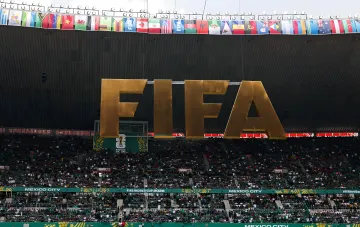
Particular public outrage was caused by the application of the regulations during matches at indoor stadiums. Under such conditions, where there are no direct sun rays and extreme heat, the need for forced rest seemed excessive to many. However, as Wenger explained, the competition regulations required adherence to a single standard for all matches, regardless of the conditions.
Player Health vs. Spectacle
Despite the wave of negative feedback, Arsene Wenger is convinced that the organizers did the right thing by prioritizing player health and ensuring equal opportunities for all national teams.
"It didn't seem to me that they changed the results of the matches, but we work for the people who watch football, so we will draw conclusions after the tournament. Before the start of the tournament, this decision raised questions, but from a moral standpoint, it was necessary to give a chance to a greater number of national teams. I am convinced that this was the right decision, and it proved successful," emphasized the head of the FIFA department.
The final verdict on whether mandatory hydration breaks will remain in the international regulations on a permanent basis will be delivered after a careful study of medical and statistical reports following the World Cup.