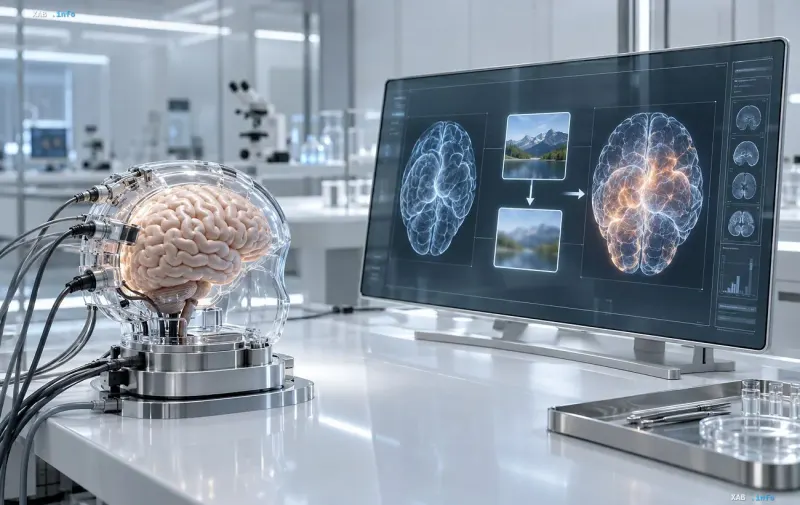
Modern artificial intelligence technologies are capable of not only generating content, but also actively interfering with human cognitive processes, altering memories of the past. According to recent findings by researchers at the Massachusetts Institute of Technology (MIT), neural network-generated images and texts create false memories, causing people to be confidently mistaken about the details of their own experiences.
Experiments on Memory Distortion via Neural Networks
During scientific experiments led by Pattie Maes, a group of participants studied genuine photographs. Later, some of the volunteers were shown algorithmically altered versions of the images, while others were shown the originals. Memory testing revealed that individuals exposed to fake visual content not only made more errors, but also expressed complete confidence in the authenticity of their false memories.
Experts note that such technologies can root entire fake events in consciousness. This directly affects public sentiment, including political preferences and the level of citizen electoral activity. The problem is compounded by the tendency of algorithms to hallucinate, which undermines the foundations of objective information even in the absence of malicious intent from developers.
The Control Problem and the Effect of Trust in Algorithms
To minimize risks, government agencies, financial organizations, medical institutions, and defense structures are trying to implement the concept of a «human in the loop». This approach involves mandatory verification of artificial intelligence conclusions by designated specialists before critical measures are taken. However, practice shows that people often fail to notice system errors.
When algorithm-generated data conflicts with expert knowledge, human memory undergoes deformation, and self-perception is distorted in favor of the machine. The ability of ordinary users to distinguish authentic content from fakes is currently at the level of random guessing, while developers strive to introduce fully autonomous agents.
Real Consequences of Excessive System Autonomy
Transferring critical powers to automated systems is already leading to severe incidents with human casualties. For example, a US Department of Defense investigation recorded an airstrike on a school in Iran, resulting in the deaths of over 150 people, which occurred due to critical trust in military algorithms from Palantir. The system recommended a civilian facility as a target based on outdated data, and human operators failed to question this recommendation.
In the current situation, the scientific community insists on revising approaches to safety and control over autonomous technologies. Without creating reliable barriers and improving the digital literacy of the population, the risk of large-scale cognitive and practical distortions will only increase, affecting all spheres of society.