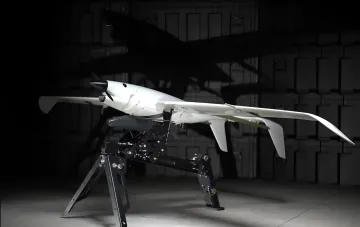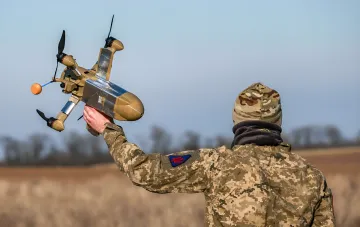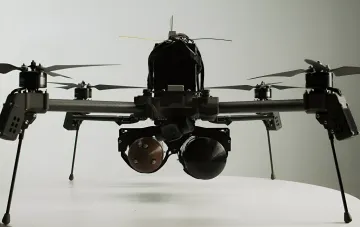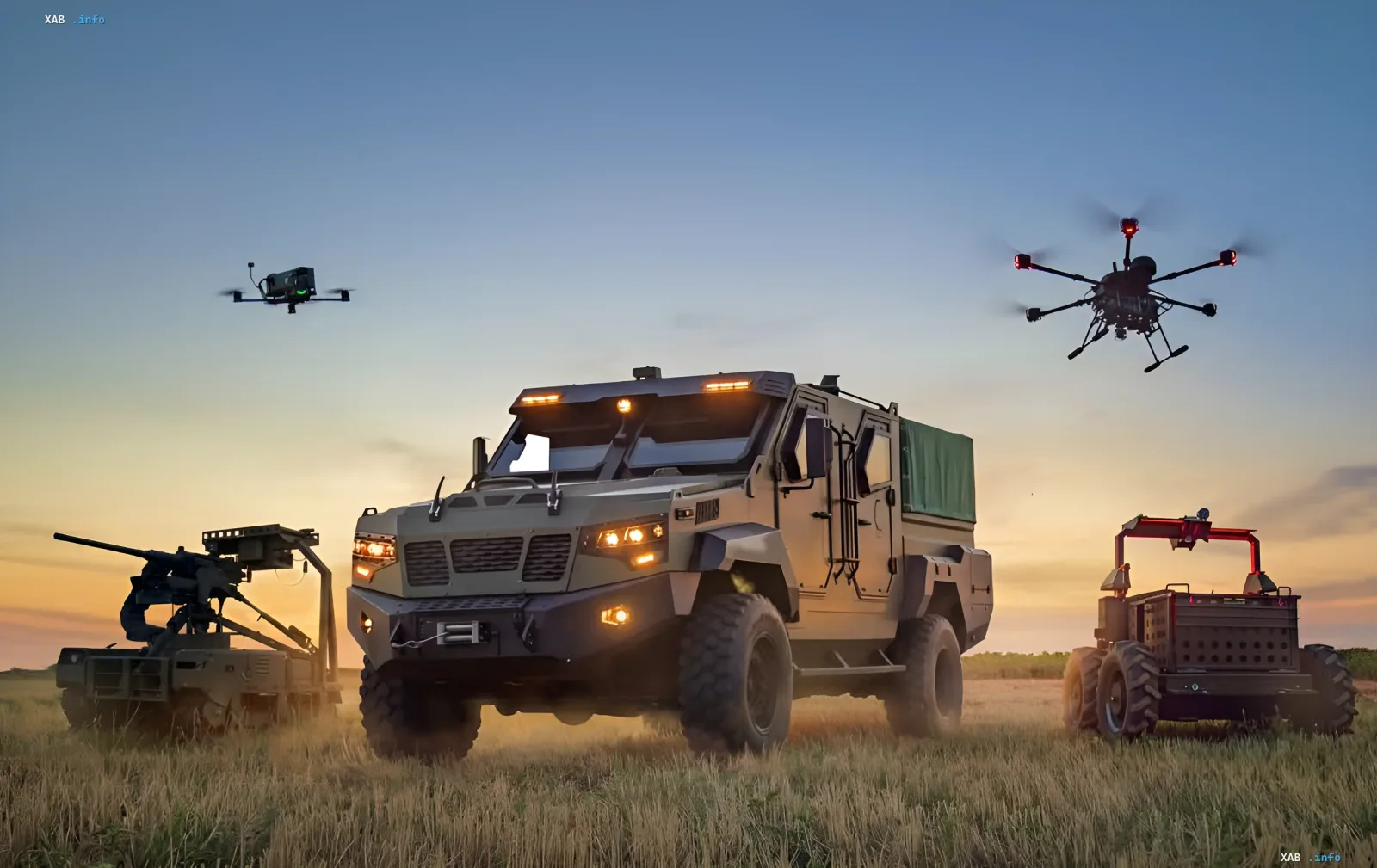
The massive deployment of artificial intelligence systems in modern warfare opens up new operational capabilities while simultaneously giving rise to unprecedented challenges and threats. Ukraine's Defense Forces are already actively integrating over 70 different software products and systems that utilize computer vision to detect and engage targets. Nevertheless, experts and developers increasingly warn about the hidden dangers associated with an over-reliance on the automation of combat processes.
Technical Failures and Algorithmic Errors
One of the most critical risks on the battlefield remains the probability of an algorithmic error itself. Real combat environments are extremely far from ideal laboratory conditions: they feature dense smoke, dust plumes, adverse weather, damaged or destroyed equipment, and non-standard camera angles. Under such stressful conditions, even a well-trained neural network can produce false positives, misclassifying a civilian object as military or mistaking a decoy for a real target, leading to catastrophic consequences.
Enemy Adaptation and Countermeasures
Another serious challenge is the inevitable technological and tactical adaptation of the opposing side. As soon as the enemy identifies the visual or spectral features by which a specific algorithm classifies equipment or personnel, countermeasures are rapidly developed. Artificial intelligence on the frontline encounters sophisticated camouflage, fake silhouettes, inflatable decoys, and visual traps designed to confuse neural network optics and neutralize high-tech advantages.
Control Issues and Legal Accountability
Equally pressing are the issues of operational control and the legal framework. As software takes on increasingly autonomous functions, a dilemma arises: within what exact limits can a system operate independently, and at what point does human operator intervention become mandatory? Furthermore, in the event of a fatal error by an autonomous system, a clear international or local legal framework defining the accountability of the developer, manufacturer, drone operator, or high command still does not exist.