The global semiconductor market is facing unprecedented challenges amidst severe geopolitical restrictions. According to ASML CEO Christophe Fouquet, export barriers against China have led to results directly opposite to regulators' initial expectations. Instead of weakening the position of China's tech sector, the sanctions are stimulating an unprecedented leap in the development of domestic innovations led by giants like Huawei.
Scale of Technological Complexity and Global Cooperation
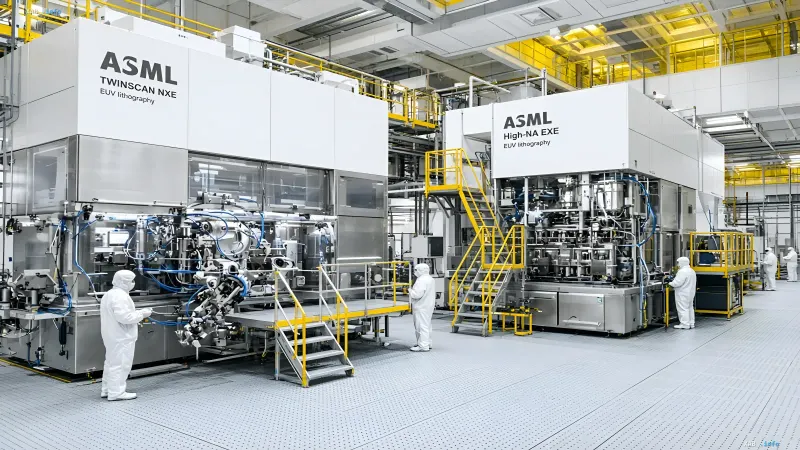
Experts note that creating modern lithography equipment is a colossal engineering challenge. For instance, advanced EUV scanners consist of over 100,000 high-precision components. Their production involves about 200 key suppliers and nearly 2,000 companies worldwide, including tech titans such as German optics manufacturer Zeiss, laser system supplier Trumpf, and high-precision mechanism specialist VDL. Severing such deep global cooperation without pain for the global economy is impossible.Bypassing Restrictions and DUV Technology Development
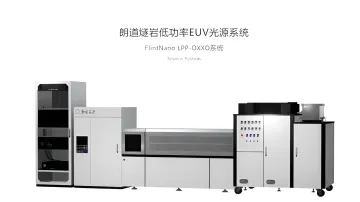
Despite continuous pressure and Washington's attempts to block remaining supply channels, Chinese fabs are successfully adapting to current conditions. Utilizing existing deep ultraviolet (DUV) systems and alternative methodologies like nanoimprint, PRC enterprises continue mass production of 7nm class chips. This clearly demonstrates the country's steady scientific and technological potential growth, which can no longer be stopped by targeted US bans.Prospects for an Independent Ecosystem
The main strategic question today is not whether Beijing can completely copy Western equipment, but how quickly harsh sanctions will force the country to build a closed sovereign infrastructure. According to ASML management, the Western industry risks cultivating a powerful independent competitor that will eventually completely squeeze European and American manufacturers out of key Asian markets.