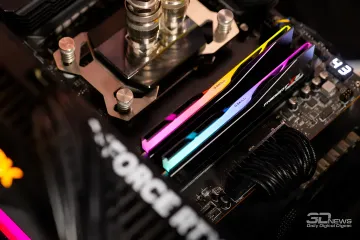
Amid a sharp rise in memory module prices, Asus is considering revising the configurations of certain laptop and desktop models. As reported by ITHome, citing Taiwanese resource Minbao, Asus co-CEO Xu Xianyue stated at an investor meeting that the manufacturer cannot fully pass on the increased component costs to end users. The issue is most critical in the budget and mid-range segments, where the consumer base is most price-sensitive.
Back to 8GB: A Compromise Between Cost and Performance
One option being discussed internally is to reduce the RAM in a number of models from 16GB to 8GB. Asus believes this move will help contain the final cost of devices and maintain their market competitiveness. To ensure an acceptable user experience, the manufacturer is in talks with Microsoft to optimize Windows 11 for systems with 8GB of RAM. According to the company's internal estimates, this approach could provide a sufficient level of performance for everyday tasks.
Forecast: Global PC Shipments to Fall by 10–15%
Xu Xianyue also provided a forecast, suggesting that global PC shipments will decline by 10–15% year-on-year next year. The most pronounced drop is expected in the first half of the year, after which the market may begin a gradual recovery. Rising memory prices and other key components are already having a noticeable impact on both manufacturers' pricing policies and consumer willingness to upgrade hardware. Asus estimates that the market correction period may last several more quarters.
Context: Why Memory is Getting More Expensive
The price surge for DRAM and NAND flash in 2026 is driven by several factors: the reallocation of manufacturing capacity by major memory producers (Samsung, SK Hynix, Micron) toward server and data center solutions, as well as high demand from AI infrastructure. Consequently, consumer segments are facing shortages and inflated prices, forcing OEMs to make compromises in configurations. The situation echoes the cycles of 2017–2018, when Asus and other vendors also temporarily reduced base RAM amounts in budget series.
What This Means for Buyers
If Asus confirms these configuration revisions, the first changes may appear in entry-level and mid-range lineups as early as the first half of 2027. Consumers planning to buy a laptop or PC in the coming year should keep in mind that base models might come with 8GB of RAM, and upgrading to 16GB will require additional expenses. Simultaneously, Windows 11 optimization for lower memory volumes may make working on 8GB smoother than it was in previous operating system generations.