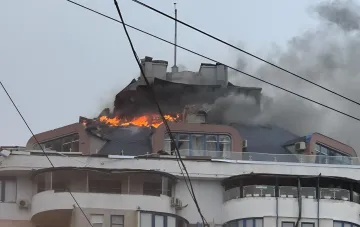
On the night of October 20, 2026, the Nikolskaya Linear Production and Dispatch Station (LPDS) near Michurinsk in the Tambov Region came under attack. According to available reports, a fire broke out at the facility. Footage filmed near the station shows large flames and a plume of thick black smoke rising into the sky. The incident occurred amid a series of strikes on oil pipeline and fuel infrastructure facilities in central Russia.
What the Facility Is
The Nikolskaya LPDS is a major component of Russia's oil pipeline infrastructure, performing the functions of receiving, storing, and pumping fuel through trunk pipelines. Such stations are nodes ensuring the continuous flow of petroleum products, meaning that damage to any of their tanks or processing lines can affect the operation of an entire pipeline section and local fuel supplies.
What Is Known About the Attack
The method of the attack has not been officially established at the time of publication: open sources, including the page of Tambov Region Governor Yevgeny Pervyshov, provide no confirmation of either drone deployment or a missile strike. Local Telegram channels, by contrast, report that the station came under shelling and that a diesel fuel tank reportedly caught fire. Thus, the nature of the damage and the type of weapon used remain to be clarified, with video footage from the scene and reports from regional media serving as the only public evidence so far.
Not the First Incident
The Nikolskaya oil pumping station has been attacked before. Notably, in August 2026, a strike on the facility was publicly confirmed by the Unmanned Systems Forces of the Armed Forces of Ukraine. Earlier, Ukrainian drones also targeted other Russian fuel storage facilities both in the Tambov Region and the Republic of Adygea. The repeated nature of the strikes on the same station indicates that the facility is viewed as a priority target within attacks on fuel logistics.
Context and Significance
The attack on the Nikolskaya LPDS fits into a broader context of strikes on oil pipeline infrastructure, upon which fuel distribution in several regions depends. The scale of the damage and whether the pumping process has been affected remain unclear; official data on the consequences, including potential restrictions on the pipeline, had not been published at the time of publication. The situation remains dynamic, and clarifications regarding the method of attack and the nature of the damage may come from regional authorities and pipeline infrastructure operators.