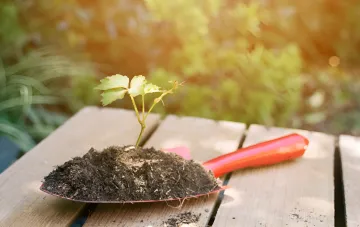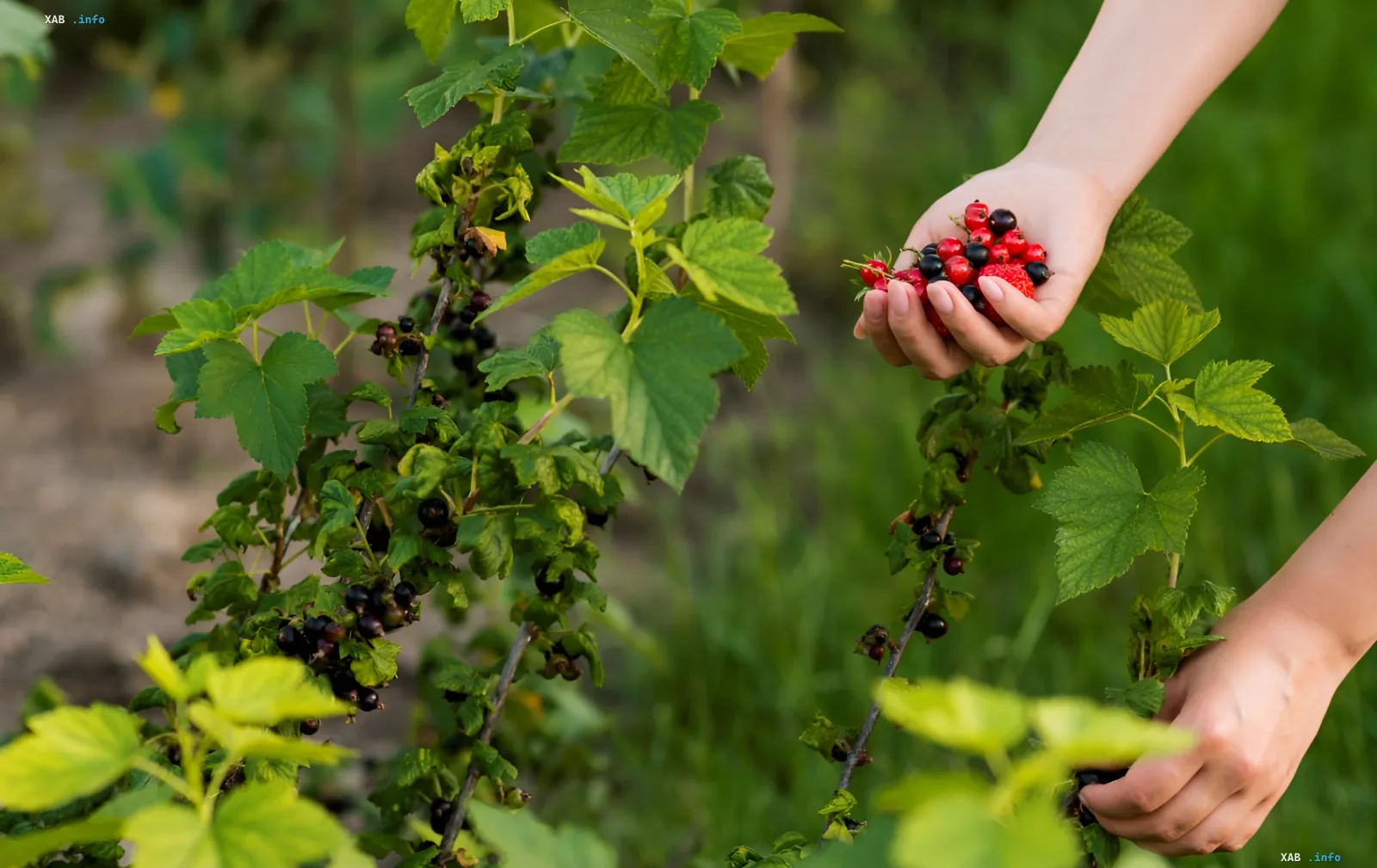
September and the first half of October are the window in which berry bushes still have time to take root before the soil freezes, yet they no longer require the intensive watering needed in summer. According to the Styler editorial team (an RBC-Ukraine project), the optimal period for most regions of Ukraine is precisely late September to the first decade of October, and the main guide is not the calendar but the weather: it is best to finish planting about 15–20 days before the ground starts to freeze. If forecasters promise a sharp and prolonged cold snap, do not delay — a sapling planted at the last minute simply will not have time to develop its root system and risks dying over winter.
Soil Preparation and the Specifics of Each Crop
Before planting, the site is cleared of weeds and loosened, and compost or well-rotted manure is added to the soil. Fresh manure is not recommended: it overheats the roots and can scorch a young plant. Raspberries need sun and moisture, but they absolutely cannot tolerate waterlogged soil. Currants are planted in fertile soil, and blackcurrants may be planted slightly deeper — this stimulates the formation of new shoots at the base of the bush. Gooseberries, in turn, need a bright spot and enough free space so that the spreading crown does not shade neighboring plants.
Five Mistakes That Prevent Bushes from Taking Root
The first and most common mistake is delaying the planting: if there is very little time left before the soil freezes, the roots will not have time to establish themselves. The second is choosing a waterlogged spot, where excess water destroys the root system. The third is buying dried-out saplings, especially those with an open root system, which need to be inspected especially carefully. The fourth is overfeeding the bushes: a large amount of fertilizer does not guarantee rapid growth but only overloads the young plant. The fifth is planting bushes too close together: the saplings look tiny now, but over time they spread significantly and begin to compete for light and moisture.
After-Planting Care and Preparation for Winter
Immediately after planting, all bushes are watered abundantly and mulched — with compost or rotted manure. The mulch retains moisture and protects the roots from temperature fluctuations, but it should not be piled right up against the shoots, and after heavy rains you need to check whether the roots have been exposed due to soil settling. The key principle of autumn care is to ensure that young bushes do not go into winter in dry soil; at the same time, there is no need to completely "wrap" raspberries, currants, or gooseberries: excessive covering creates too much humidity and harms the plants. In spring, the bushes should be carefully inspected and pruned as needed, in accordance with the crop and variety.
Expert Confirmation of the Agrotechnics
The recommendations of the Ukrainian editorial team align with the position of the well-known British gardener Monty Don, who emphasizes the importance of balancing moisture and drainage when growing raspberries. According to him, in autumn this crop can only be planted provided that the soil is not frozen and not waterlogged. Thus, a single guideline for all three crops is simple: moist but not waterlogged soil, timely planting two to three weeks before the frosts, and moderate mulching — without fanaticism and without excess fertilizer.