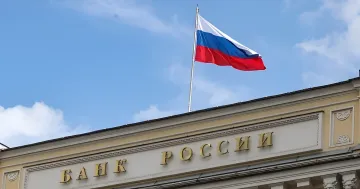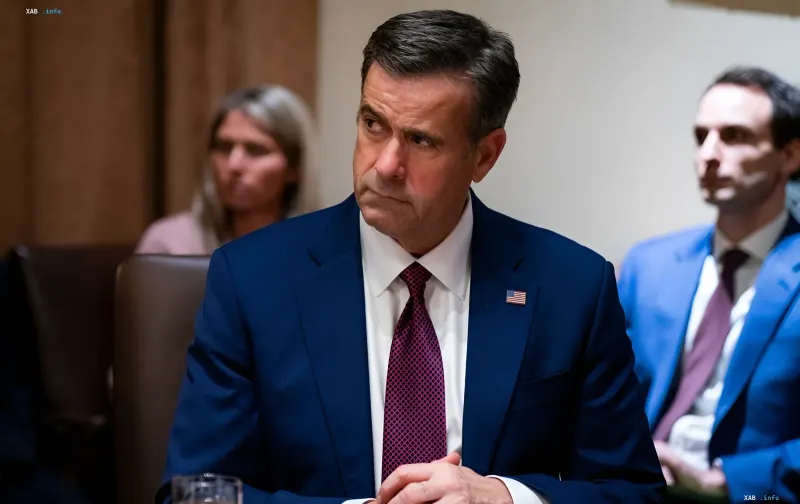
The Russian economy is facing large-scale systemic threats capable of causing a collapse along the lines of the Soviet Union. According to Western analysts and Frankfurter Allgemeine Zeitung, this severe warning was delivered to the Kremlin by CIA Director John Ratcliffe during his unannounced visit. US intelligence services are convinced that Russia's current development trajectory makes long-term confrontation economically unsustainable.
Economic Parallels with the Cold War
US intelligence reports emphasize that modern Russia's primary vulnerability lies not so much in local military clashes on the frontline or drone strikes, but in the depletion of internal resources. Analysts point out the stalemate nature of hostilities, yet economic pressure is mounting exponentially. Experts note that repeating the end-of-the-Cold-War scenario for the Russian financial system is becoming a very real prospect in the medium term.
Washington's Stance and Prospects for Negotiations
Against this backdrop, Washington is shaping its long-term strategy of supporting Ukraine, making it clear to the Russian leadership that they should not count on the cessation of aid from Donald Trump's administration. The main US demand remains a call to begin genuine negotiations. Nevertheless, analysts suggest that Kremlin may drag out the process, attempting to achieve local successes during the winter to improve its negotiating position.
Contradictory Data
There are noticeable discrepancies in the assessments of officials and media regarding CIA Director John Ratcliffe's visit to Moscow on August 25. While Western outlets such as Frankfurter Allgemeine Zeitung and The New York Times claim the trip aimed to deliver a grim warning about economic collapse and compel an agreement, official Kremlin representatives claimed there were no meetings with the Russian leadership and characterized the visit as technical liaison between security services. Meanwhile, US Secretary of State Marco Rubio described the trip as largely routine, adding intrigue to the diplomatic context.