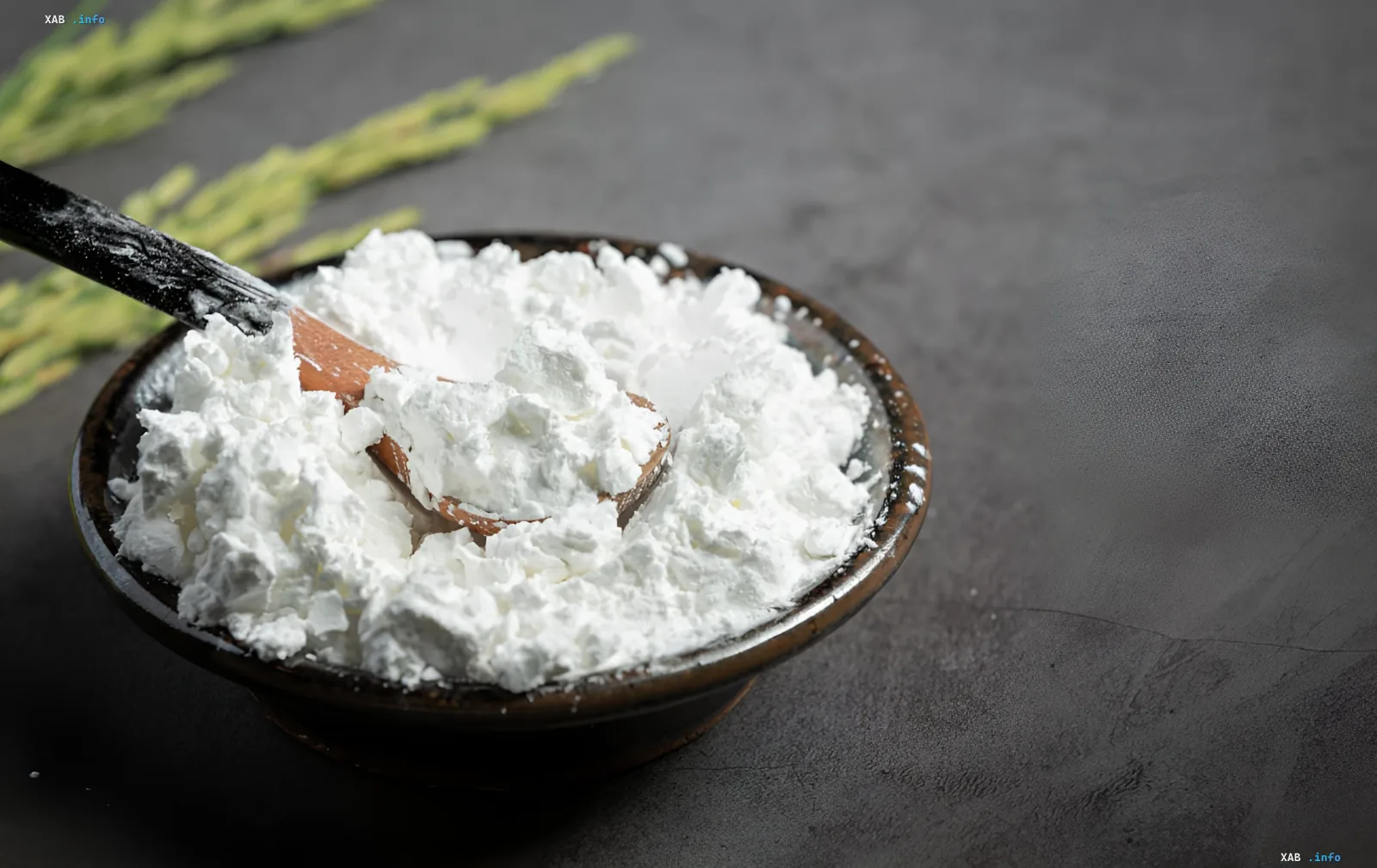
In 2026, despite the abundance of high-tech cleaning products, sodium bicarbonate (baking soda) remains one of the most popular home remedies. Many housewives still believe that this white powder can replace an entire shelf of household chemicals: removing odors, scrubbing off grease, and refreshing surfaces. However, experts and material care specialists warn: blind trust in baking soda can lead to irreversible damage to expensive coatings and appliances.
Abrasive Effect: The Enemy of Stone and Wood
The main problem with baking soda lies in its physical structure. Although it seems soft, in its dry form or as a paste, it acts as an abrasive. This property is particularly dangerous for natural stone. Granite, marble, or quartz have a protective layer that baking soda can gradually destroy through active friction. Regular cleaning with baking soda leads to a loss of stone shine and the appearance of micro-cracks where dirt accumulates. A similar situation is observed with wooden surfaces. If furniture or countertops are varnished, abrasive soda particles leave micro-scratches, making the coating dull and matte. For expensive furniture, such an experiment can cost a costly repair.
Glass, Induction, and Aluminum: Risk Zones
The myth that baking soda can safely clean glass has also been debunked by specialists. The powder, combined with the mechanical action of a sponge, can leave invisible scratches on the glass that become visible over time. The risk increases manifold if the glass has a special protective or mirrored coating. Special caution should be exercised with induction cooktops. The glass-ceramic surface requires delicate care, and the use of abrasives can compromise its integrity, leading to appliance failure. Furthermore, baking soda negatively affects aluminum: the metal may dull or change color, especially if the soda solution is left on the surface for a long time.
Chemical Mistake: The Myth of Soda and Vinegar
One of the most common misconceptions is mixing baking soda with vinegar. On the internet and in blogs, this mixture is often called a "super-cleaner." However, as experts note, the vigorous fizzing upon mixing is merely a visual effect of neutralization. As a result of the reaction, water, salt, and carbon dioxide are formed, which do not possess powerful cleaning properties. Moreover, mixing baking soda with other types of household chemicals can cause undesirable reactions, so it is safer to strictly follow the manufacturer's instructions on product packaging.
Contradictory Data
The question of baking soda safety has two sides. On one hand, manufacturers of professional chemicals and restorers insist that baking soda is too aggressive an abrasive for delicate surfaces (marble, varnished wood, glazed ceramics). On the other hand, proponents of "eco-cleaning" claim that with careful use (without vigorous scrubbing), baking soda is safe and effective for removing grease from enameled surfaces and plastic. The difference in versions lies in the intensity of the impact: light wiping may be safe, whereas actively scrubbing a stain is guaranteed to damage the coating.
Conclusion: When Soda is a Friend and When it is an Enemy
Baking soda does not need to be thrown out of the home arsenal, but it cannot be perceived as a universal remedy for every surface. It does an excellent job cleaning sinks, toilets, and enameled bathtubs, but it is categorically unsuitable for natural stone, delicate wood, and glass. Sometimes the best way not to ruin something is not to clean it with what is at hand, but to choose a specialized product recommended by the manufacturer.