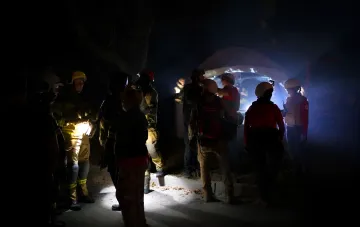
The night of Tuesday, August 11, 2026, became another test of resilience for the capital of Ukraine. Powerful explosions rocked Kyiv, marking the beginning of another massive missile attack from Russia. According to operational data, the attack was carried out using ballistic missiles, triggering immediate alert systems and the mass evacuation of residents to bomb shelters.
Course of Events and Government Response
The Kyiv City Military Administration (KMVA) promptly reported an air raid, warning residents of the threat of ballistic missile use. "Take care of your safety: immediately head to shelters and stay there until the alert is over," read the official message. Kyiv Mayor Vitali Klitschko confirmed the information on social media, writing: "Explosions in the capital. The city is under ballistic attack. Stay in shelters!".
The Air Force of the Armed Forces of Ukraine (AFU) confirmed that the threat of ballistic missile use persists and urged citizens to remain vigilant. Explosions were recorded in various districts of the city during the attack, but the main blow hit the Shevchenkivskyi district, where, according to KMVA, warehouse facilities caught fire. Medical teams and fire crews were dispatched to the scene.
Consequences of the Attack and Casualties
Preliminary data indicates that one person was injured as a result of the missile strike on the capital. The KMVA confirmed that medical personnel were called to the Shevchenkivskyi district, however, the exact number of casualties and the nature of their injuries remain to be clarified. Strong explosions were observed in the area where the warehouses caught fire, causing panic among residents of nearby buildings.
It is important to note that strict rules of conduct during air raids are in effect in Kyiv, which include immediate relocation to shelters and a ban on using window openings. Despite this, cases of injuries from shrapnel and shockwaves were recorded as a result of the attack.
New Ballistic Missile Supplies from North Korea
Ukrainian President Volodymyr Zelenskyy noted in his statement that Russia had received a new shipment of ballistic missiles from North Korea. According to him, the combat experience gained during the war could help Pyongyang improve its own missile potential. This confirms the concerns of Western analysts about the possible strengthening of Russia's missile arsenal through foreign supplies.
The Main Directorate of Intelligence (GUR) of Ukraine explained why Russia has intensified missile strikes on Ukraine. According to their data, Russia is fulfilling its production plan for main types of missile weapons at the level of 110-120% monthly, allowing it to increase the intensity of attacks. Earlier, RBK-Ukraina also wrote about Russia's plans to produce strike drones in August, which indicates large-scale preparation for new attacks.
Contradictory Data
While the KMVA reports one injured person, some sources indicate the possibility of a more significant number of casualties. Furthermore, explosions were recorded in different districts of Kyiv, but the exact number of missiles used during the attack remains unclear. Some sources report ten missiles, others report a smaller number.
Outlook and Conclusions
The attack on Kyiv with ballistic missiles highlights the continuing threat to the population of Ukraine. Despite the efforts of the AFU to intercept missiles, Russia continues to increase the intensity of attacks, using both its own and foreign supplies. In the conditions of the ongoing war, it is important to remain vigilant and comply with safety rules during air raids.