The air war over Ukraine is entering a new phase. The Russian Federation is radically changing its strike tactics against Kyiv, betting on the mass use of ballistic missiles. As it turns out, this step is dictated not only by tactical considerations but also by a critical shortage of Western ammunition for Ukrainian air defense.
According to data published by RBK-Ukraine in the material "Ballistic Terror and the Trap for Putin," the enemy is abandoning complex combined strikes with long-term route planning. Instead, Moscow is adopting the tactics of Iran, which have been successfully applied in the Middle East.
The Iranian Lesson: From Complexity to Mass
Russian military strategists analyzed the experience of Iranian strikes and concluded that there is no point in spending resources on complex schemes with different approach routes. Now the calculation is based on brute force and quantity. According to one officer, Russia simply launches volleys of 10, 20, or 30 ballistic missiles at the capital.
The logic is simple: even with the operation of Ukrainian air defense systems, some missiles will definitely break through, as the stocks of PAC-3 interceptors for Patriot systems are depleted. This turns every launch into a lottery, where the chances of hitting critical infrastructure objects remain high.
Autumn Forecasts and the Enemy's Arsenal
It is expected that this trend will be maintained and intensified in the autumn. Moscow plans to combine ballistic missiles with cruise missiles and mass attacks of "Shahed" kamikaze drones.
For regular shelling of Kyiv and the Kyiv region, the occupiers use a wide range of weapons. The enemy's arsenal regularly includes:
- Missiles from S-400 anti-aircraft systems;
- North Korean KN-23 ballistic missiles;
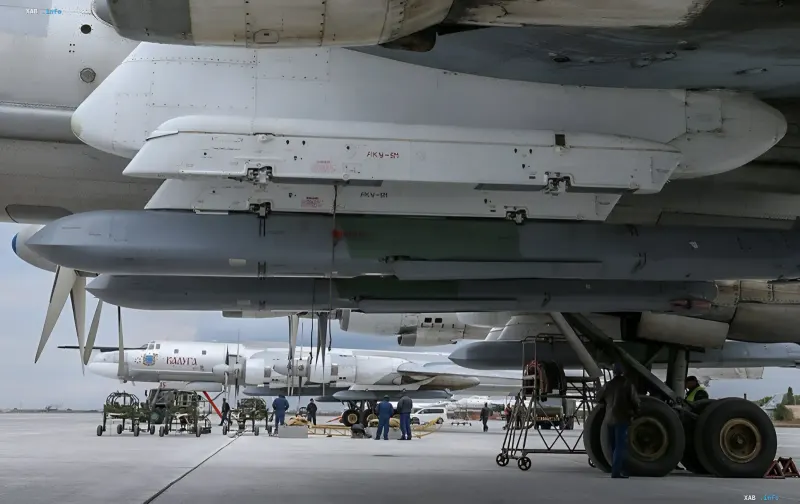
- Kh-101 and Kh-555 missiles;
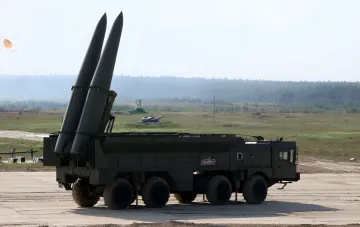
- "Iskander" missiles.
At the same time, calculations show an alarming trend: in July, Russia fired more ballistic missiles at Ukraine than it is capable of manufacturing in one month. Without a significant increase in production capacity, Moscow will not be able to maintain such a density of volleys constantly.
Response to Interceptor Drones
Alongside missile strikes, the Kremlin has focused efforts on increasing the production of jet drones. This has become a direct response to Ukraine's active development of its own interceptor drones, which effectively destroy ordinary "Shaheds".
Evidence of this escalation was the events of last night. Russia struck Ukraine with 181 attack drones, including jet models, "Herbers," "Italmases," and "Parody" type decoy drones. Ukrainian air defense demonstrated high efficiency, shooting down and suppressing 163 lethal devices in the north, south, and east of the country.