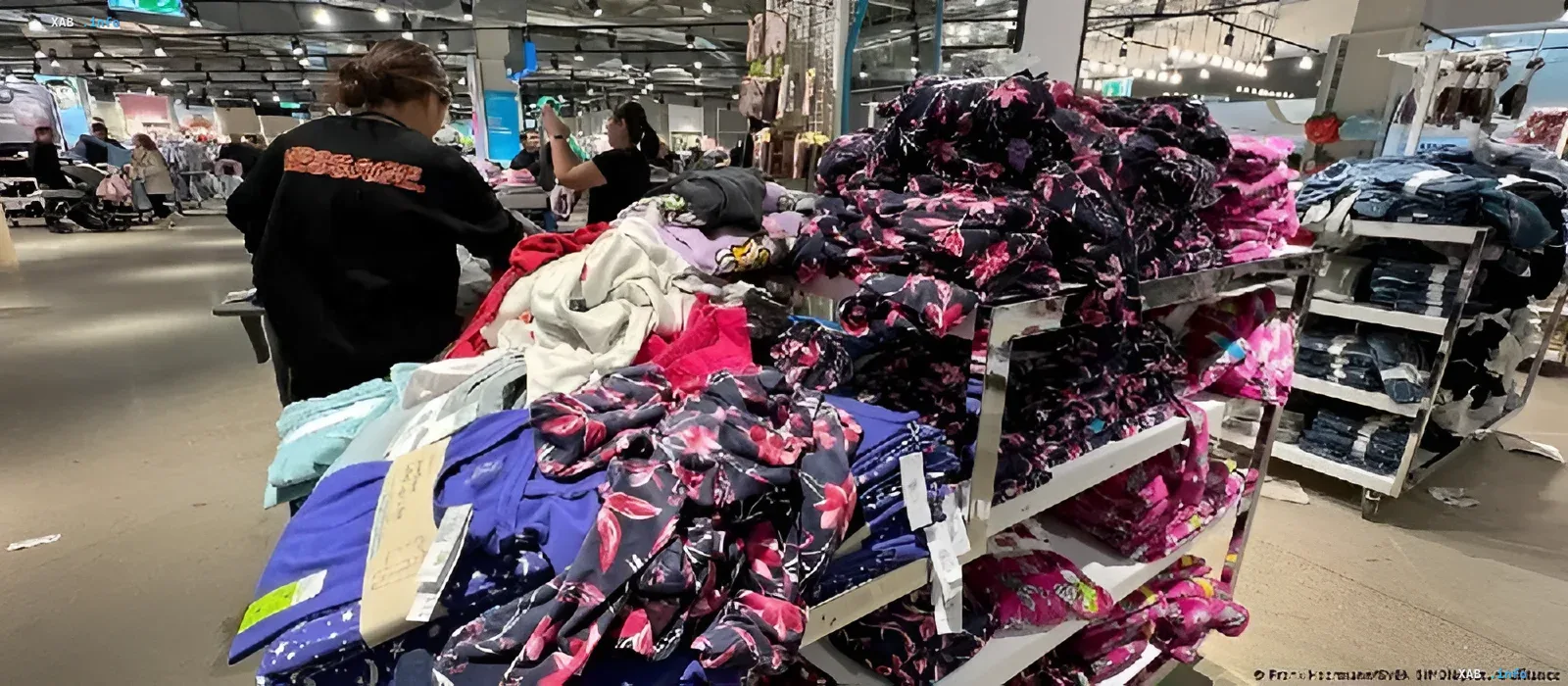
A new era is dawning for the fashion and retail markets in the European Union. The Ecodesign for Sustainable Products Regulation (ESPR) has come into force, radically changing the rules of the game for retailers. As of July 19, 2026, large companies will be legally prohibited from destroying unsold clothing, footwear, and accessories, as well as items returned by customers.
The era when brands could simply burn or landfill millions of units of "excess" goods to maintain artificial scarcity or cover up planning failures is coming to an end. Now, the priority becomes resale, charity, restoration, or recycling.
The Scale of the Problem: 600,000 Tons of Waste Per Year
This new regulation aims to halt colossal environmental damage. According to the European Environment Agency (EEA) and the European Commission, between 4% and 9% of all textile products produced in EU countries are destroyed annually. In absolute figures, this amounts to 600,000 tons of unworn items sent to landfills or incinerators every year.
The environmental cost of this practice is huge: the disposal of clothing and footwear results in the emission of approximately 5.6 million tons of carbon dioxide (CO2) per year. For comparison, this is equivalent to the total exhaust emissions of 2–3 million passenger cars.
Losses were particularly significant in certain EU member states:
- Germany: According to the Federal Environment Agency (UBA), around 17 million units of returned and unsold clothing items were destroyed in the country in 2021 alone.
- France: Became a pioneer in this issue by adopting national legislation (the AGEC law), which subsequently served as a prototype for the pan-European directive.
Who Will Be Affected and When?
The ESPR Regulation establishes a clear classification and a phased implementation schedule for restrictions to give businesses time to adapt:
- Large Business (from July 19, 2026): The ban will take effect for companies with a workforce of 250 or more, an annual turnover of more than €50 million, or balance sheet assets exceeding €25 million.
- Medium Business (from 2030): Enterprises with 50 to 249 employees will fall under the ban starting July 19, 2030.
- Small and Micro Business: Currently exempt from these obligations indefinitely.
Exceptions and Liability
The document provides a limited list of exceptions. Destruction of products is permitted only in cases where items pose a real threat to health and safety (e.g., contain toxic substances), are counterfeit, or are damaged to a state that precludes repair and safe recycling.
Pursuant to Article 25 of Regulation (EU) 2024/1781, the intentional damage or destruction of unsold goods is classified as a violation of waste management rules. Starting in February 2027, large companies will be required to publish standardized annual reports on the volumes and reasons for writing off products. Furthermore, businesses must retain documentary justification for any write-offs for at least 3 years.
Economic Consequences: Outlet and Resale Boom
Industry analysts predict that the ban will lead to a fundamental redistribution of product flows. Instead of trash cans and landfills, unsold goods will move to other sales channels. The retail sector is expected to see a sharp growth in the outlet trade, platform resale (reselling), and consignment platforms. Now, "excess" clothing will become a resource that companies are obliged to extract from circulation, rather than waste that needs to be disposed of.