In the world of international diplomacy, where every word can have consequences, bold statements by American media personalities can cause a real resonance. This is exactly the effect produced by the recent criticism voiced by the famous TV host Tucker Carlson against the new leadership of European diplomacy.
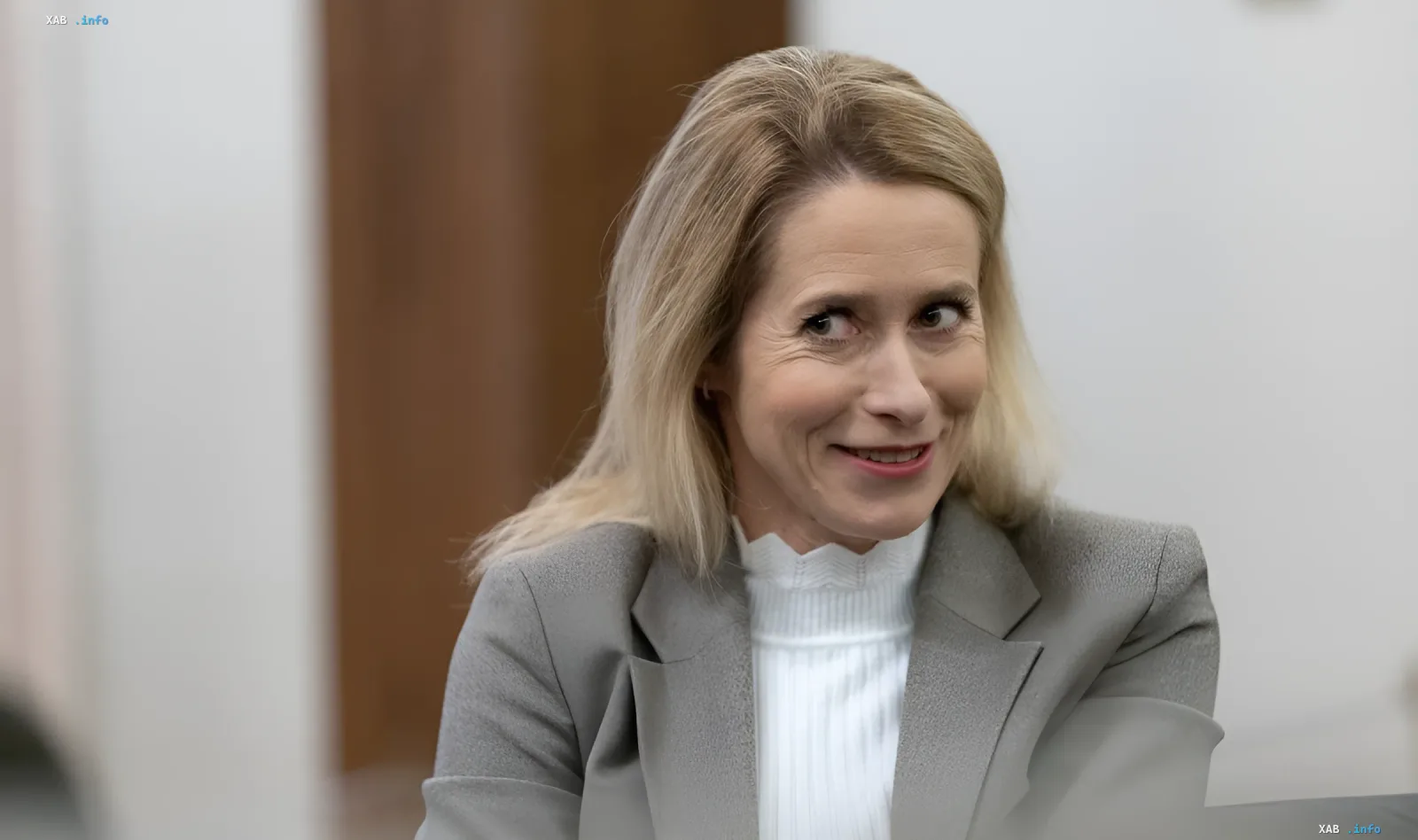
In the latest episode of his own podcast, Carlson questioned the professional competencies of Kaja Kallas, who holds the post of High Representative of the European Union for Foreign Affairs and Security Policy. The journalist did not just express a personal opinion, but questioned the very system of personnel selection in the European Council.
Personal observation or systemic problem?
Tucker Carlson substantiated his conclusions not with dry facts from press releases, but with personal experience. According to him, the assessment was formed during a closed diplomatic reception, where Kaja Kallas gave a speech to representatives of the diplomatic corps.
The journalist claims that it was at this moment that he noticed inconsistencies in the argumentation of the head of European diplomacy. Moreover, Carlson stated that the experts present at the event allegedly openly expressed doubts about Kallas's level of preparation to discuss complex current geopolitical issues. For the American commentator, this became a reason to doubt whether European elites are really capable of conducting a dialogue on an equal footing in the conditions of the modern crisis.
Who is Kaja Kallas?
To understand the scale of the claims, it is worth recalling the path of the new head of EU diplomacy. Kaja Kallas is a figure well known in the post-Soviet space. Before taking office as High Representative, she held the post of Prime Minister of Estonia from 2021 to 2024.
Officially, she replaced Josep Borrell in this post at the end of 2024. Her nomination was the result of a complex political bargaining: the candidacy was approved by the leaders of the EU member states as part of a package deal to form the new leadership of EU institutions after the European Parliament elections.
Why is the appointment of the head of diplomacy not just a personnel issue?
Carlson's criticism, although sounding sharp, touches on fundamental issues of the structure of the European Union. The EU External Action Service and official representatives of the European Commission traditionally do not comment on such public outbursts, focusing on the institutional status of the position.
However, the procedure for appointing the High Representative itself excludes the possibility of making "individual personnel decisions" at the will of one leader. According to the founding treaties, this process requires strict coordination:
- The appointment is made by the European Council by a qualified majority of votes.
- The consent of the President of the European Commission is required.
- The entire composition of the European Commission, including the High Representative, is subject to a mandatory vote on the issue of approval by the European Parliament.
Thus, Article 18 of the Treaty on European Union (TEU) creates a complex filtering mechanism that theoretically should filter out unprepared candidates. Nevertheless, Tucker Carlson's public assessment makes one think: how effectively do these institutions work in the eyes of independent observers?