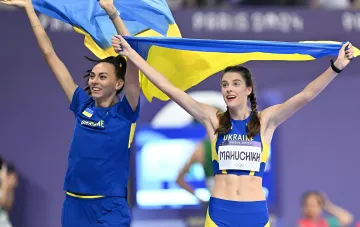
The European Athletics Association (EAA), in collaboration with the European Broadcasting Union (EBU), has initiated a major reform in sports journalism and television production. The primary goal of these innovations is to eradicate the sexualization of the female body during broadcasts of track and field competitions. In August 2026, as sports become increasingly media-driven and influenced by social networks, this step was seen as necessary to protect the psychological well-being of female athletes.
"Raising the Bar" Guidelines: 23 Pages of Prohibitions
The foundation of these changes is a document titled "Raising the Bar." This 23-page guide is addressed directly to camera operators, broadcast directors, and producers. It contains clear technical and ethical restrictions on how female athletes should be filmed. Specifically, the regulations prohibit the use of angles that focus on intimate body parts, as well as intrusive zooms during pauses or emotional reactions of athletes. According to sources, television channels are required to review their working standards to ensure dignified coverage of women's sports.
The Voice of Athletes: From Holly Bradshaw to Blanka Vlašić
The athletes themselves were involved in the development of these strict rules, and their experience formed the basis of the recommendations. Among the project consultants are famous track and field athletes Holly Bradshaw, Ivana Španović, and Blanka Vlašić. According to Bradshaw, the specifics of camera work in track and field often force athletes to spend mental resources not on performance, but on how they will look on camera. "We have to think about how we will look on camera, instead of focusing entirely on the result," noted the British sprinter. Involving athletes in the rule-making process helped reveal hidden problems that were previously ignored by organizers.
Fighting Cyberbullying and Stereotypes
A key aspect of the reform is protection against digital violence. In recent years, ambiguous clips from official broadcasts have regularly been used by malicious actors to create sexualized content, memes, and harassment on social media. The goal of the new measures is to break this vicious cycle and protect athletes from cyberbullying. By removing gender stereotypes from the TV screen, the EAA and EBU aim to change society's perception of women's sports, shifting the focus from appearance to professionalism and achievements.
Contradictory Data and Implementation Challenges
Despite support from many athletes, the implementation of new rules faces several challenges. On one hand, the professional community notes that the "Raising the Bar" document is a revolutionary step towards egalitarianism in sports. On the other hand, there is a risk that television companies, accustomed to certain standards of visual content, will resist changes due to technical difficulties or fear of losing viewer ratings. Furthermore, it remains unclear how broadcasts on secondary channels, not under the direct jurisdiction of the EBU, will be controlled. For now, the question of punishment mechanisms for violating new ethical norms on live television remains open.