The military situation on the front dictates new rules, forcing both sides to adapt their arsenals and tactics. Recently, the Ukrainian command has noted a significant change in the structure of air attacks by Russia. Classical schemes are being replaced by more complex and high-speed solutions, requiring a review of air defense approaches.
New hybrid: drone or missile?
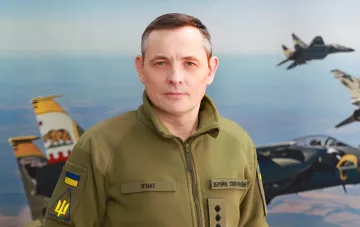
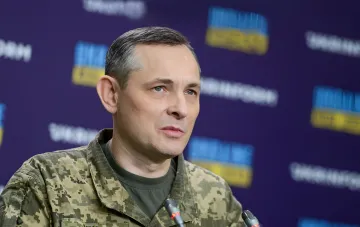
Yuriy Ignat, Head of the Communications Department of the Air Force of the Armed Forces of Ukraine, stated during a TV marathon that the share of jet unmanned aerial vehicles in enemy attacks is growing. The weapon in question is called «Banderol» (S8000). Experts and military personnel characterize it as a kind of hybrid of a drone and a missile — a compact cruise missile with a jet engine.
This weapon was developed by the sanctioned group «Kronstadt». The key feature of the «Banderol» is its high flight speed, reaching 600 kilometers per hour. It is precisely this parameter that makes the munition similar to a cruise missile and complicates its interception by air defense systems.
Tactics of use: patrolling and striking
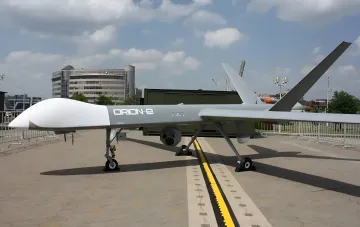
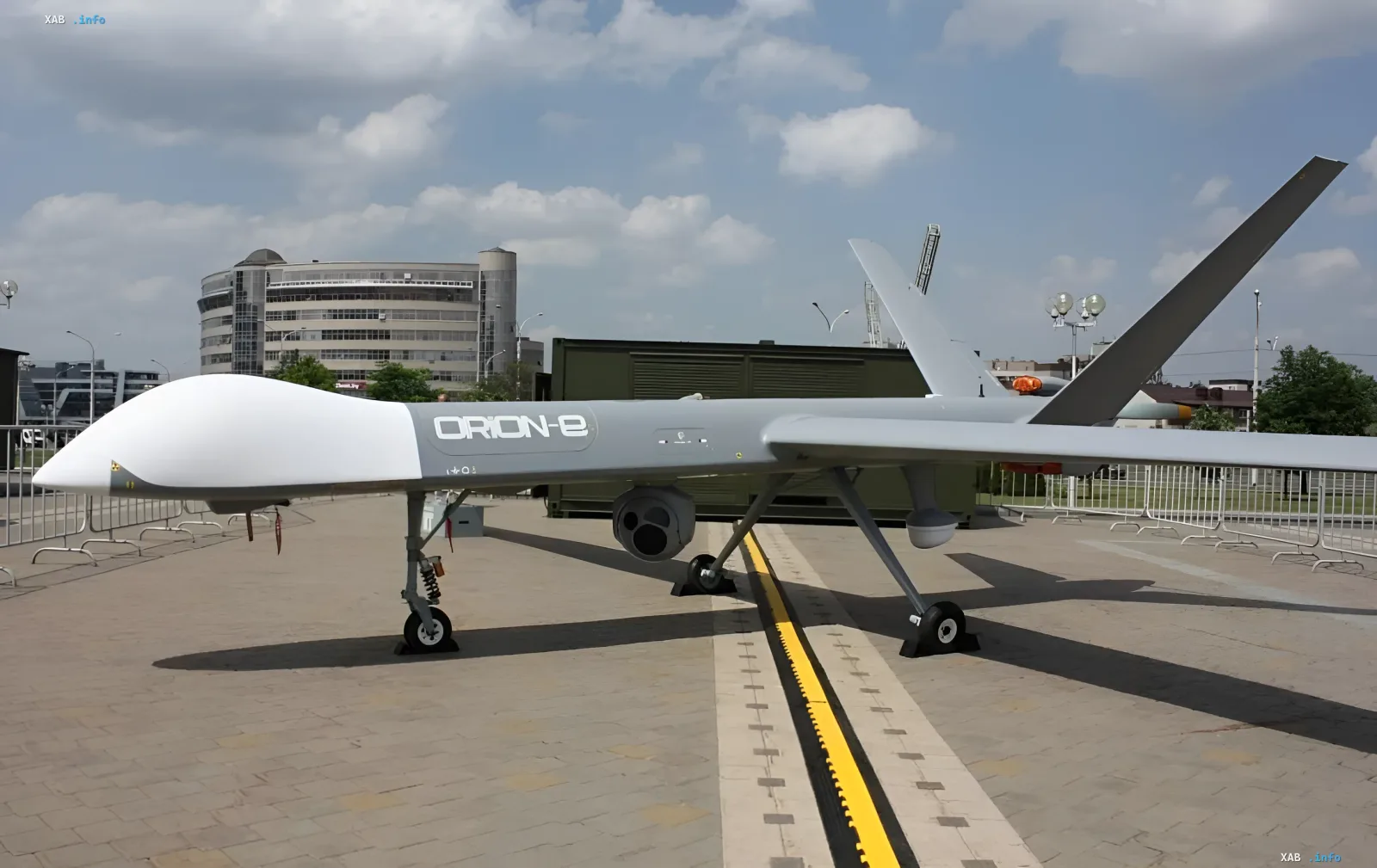
According to Ukrainian military data, the «Banderol» is usually launched from Russian «Orion» unmanned aerial vehicles. These aircraft patrol the waters of the Black Sea, which allows for strikes on coastal regions. In particular, it is from such carriers that the occupiers most often attacked the Mykolaiv and Odesa regions. However, the military note that this munition can be used by other types of aircraft as well.
Air defense response: from missiles to aviation
Despite the high speed and complex design, Yuriy Ignat emphasized that the «Banderol» remains a standard target for the Ukrainian air defense. Nevertheless, serious resources are required to intercept it. Due to its speed characteristics, Ukrainian military personnel are forced to deploy both surface-to-air missiles and combat aviation.
Balance of power in the sky
Last night, Russia carried out a massive attack on Ukrainian territory using a wide range of weapons: guided air-to-surface missiles, kamikaze drones, loitering munitions, and decoy drones.
The Air Force of the Armed Forces of Ukraine reported significant results in repelling the attack. In the north, south, and east of the country, 81 enemy unmanned aerial vehicles of various types were shot down or suppressed, including «Shahed», «Gerbera», and «Italmas». As a result of the attack, a missile and nine strike drones hit nine locations, while one missile failed to reach its target.