Russian forces have radically changed their tactics for missile strikes on Ukrainian territory. While cruise missiles were previously the main tool of attack, priority is now given to ballistic missiles. In addition, the aggressors have started to strike more often during daylight hours, attempting to catch the air defense system off guard.
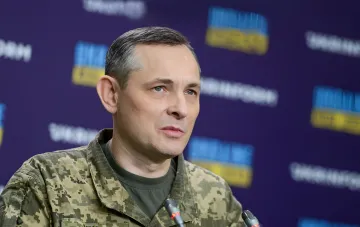
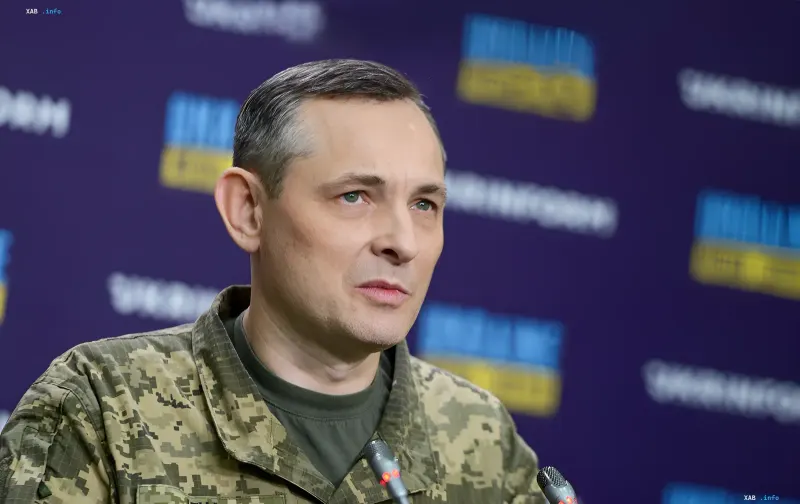
This was reported by Yuriy Ignat, spokesperson for the Air Force of the Armed Forces of Ukraine, on air. According to him, over the past week, Russian troops have launched more than 50 ballistic missiles at Ukrainian cities.
Scale of Ballistic Missile Use
The spokesperson clarified that this refers to the use of heavy and high-precision weapons. The attacks utilize "Iskander-M" missiles, S-400 complexes, and "Zircon" hypersonic missiles. Such a shift in tactics indicates Russia's attempt to change the nature of the war and overload the Ukrainian air defense system.
However, according to Ignat, the Russian side is experiencing problems with scaling production. This is evidenced by the discovery of missile debris which, judging by the markings, were manufactured at factories only a few weeks or even months ago. This indicates that weapon stocks are not accumulating but are being consumed as soon as they come off the assembly line.
Surprise Factor and Daytime Attacks
The second major tactical change has been the shift of attack times to daylight hours. Previously, the Ukrainian population and Defense Forces were accustomed to the fact that ballistic missiles flew predominantly at night, between 2:00 and 4:00.
"The enemy wants to achieve surprise so that there is less time for our Defense Forces to prepare. When everyone gets used to the fact that ballistic missiles fly at night, striking in the morning, the enemy tries to achieve certain goals precisely through surprise," Ignat explained.
The goal of such maneuvers is to reduce the time for warning and interception in order to inflict maximum damage on infrastructure and civilian objects.
Impact of Strikes on Russian Rear Areas
Yuriy Ignat also noted that Russia's difficulties with weapon supplies are caused by successful long-range strikes by the Ukrainian Defense Forces. Ukrainian troops are striking not only Russia's oil refining industry but also enterprises possessing unique technologies for producing parts for missile systems. This creates a shortage of components and slows down the arming of Russian troops.
Unchanged Drone Threat
Despite the change in missile tactics, Russia's overall strategy remains the same. Every day and every night, the aggressor state attacks Ukraine with "Shahed" type kamikaze drones. Massed drone attacks continue at the previous volume, creating a constant load on the air defense system.
Recall that on the night of July 27 and in the morning of that day, Russia attacked several regions of Ukraine. The greatest destruction was recorded in the Zaporizhzhia, Sumy, and Dnipropetrovsk regions. As a result of enemy strikes, one person was killed and dozens were injured.