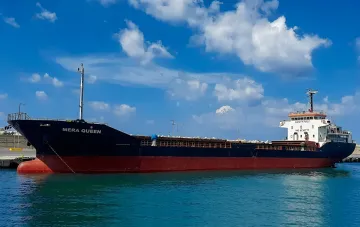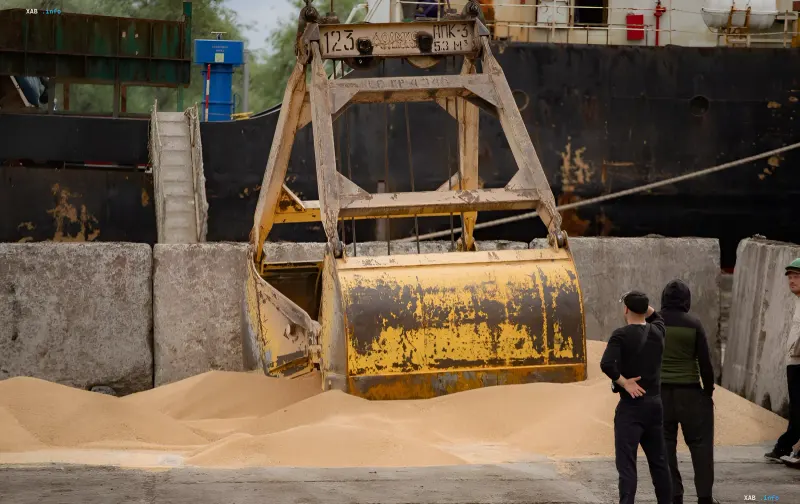
Ukrainian ports on the Black Sea are facing an unprecedented wave of attacks during the most critical period for the agricultural sector. These events unfold against the backdrop of a general escalation of tension this summer, where every day of delay in grain exports becomes critical for farmers and the global economy.
Growth of enemy resources
The situation at sea is exacerbated by a change in the enemy's tactics. According to military expert and former spokesperson for the General Staff of the Armed Forces of Ukraine, Vladislav Seleznev, Russia has significantly increased resources for carrying out such operations. The enemy is increasingly using drone-rockets "Banderol" and jet drones "Shahed", which are difficult to intercept.
"I think that the Russians have increased the number of resources for carrying out such attacks. They are increasingly using drone-rockets "Banderol", jet "Shaheds", against which we have limited capabilities for destruction. Accordingly, the enemy is taking advantage of our weakness," noted Seleznev.
Corridor status and logistics
Despite intense shelling, the Ukrainian Sea Lane continues to function. The Administration of Sea Ports of Ukraine (AMPU) officially stated that the country has not introduced any restrictions on the operation of the corridor. Ports continue to receive commercial vessels and process cargo.
However, the key factor determining shipowners' decisions to enter Ukrainian harbors remains safety. The risks of attacks affect logistics chains, forcing shipowners to make calculated decisions.
Protection measures and UN reaction
To maintain the operability of the corridor, AMPU, together with the Ministry of Defense, the Ministry of Reintegration, and the Armed Forces of Ukraine, is taking a comprehensive set of measures to protect infrastructure.
The scale of the threat has gone beyond the region. Due to the new wave of strikes on Black Sea ports, the UN Security Council was forced to hold an emergency session. During the discussion, statements were made about the threat to global food security caused by rising wheat prices and the fact that dozens of sailors were injured.