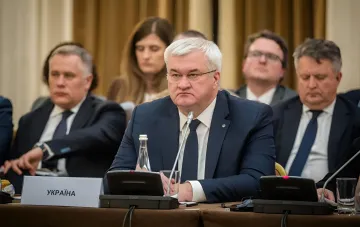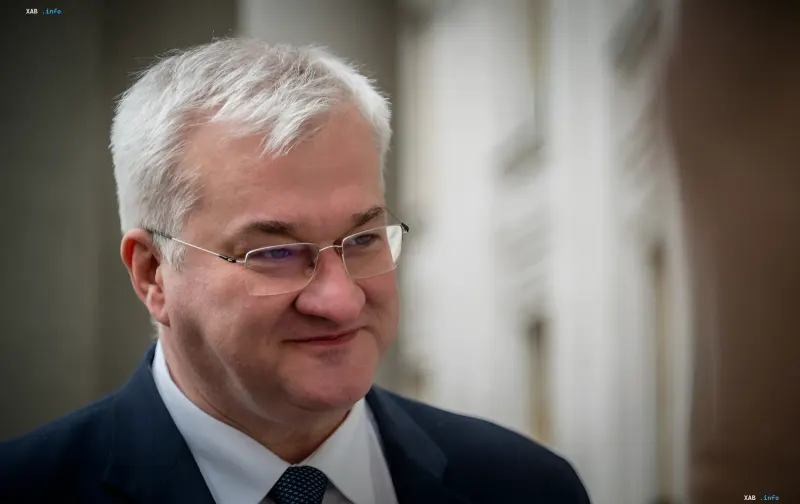
On August 24, 2026, on Ukraine's Independence Day, the UN Security Council is holding an emergency meeting dedicated to the ongoing war of Russia against Ukraine. Ukrainian Foreign Minister Andrii Sibiga, in a post on the social network X, revealed the key topics to be discussed. According to him, the debate will focus on "Russia's relentless and increasingly large-scale rocket and drone terror against Ukraine's civilian population," as well as on strikes against port infrastructure and the blockade of grain exports, which, according to Kyiv's assessment, exacerbate the global food crisis and threaten millions of people far beyond Ukrainian territory.
Agenda: From Rocket-Drone Terror to the Food Crisis
According to Sibiga's statement, a separate block of the agenda will be the topic of Russian strikes on Ukrainian ports and the subsequent blockade of grain exports. The minister emphasized that these actions are not exclusively an internal Ukrainian issue: they "exacerbate the global food crisis and threaten millions of people far beyond Ukraine." This position echoes earlier assessments made within the UN itself: at the end of July 2026, the organization acknowledged that Russia's strikes on ports and ships pose a threat to food security on a global scale.
Strike on Kryvyi Rih as a Trigger for the Discussion
As a specific example of "Russia's deliberate targeting of families, rescuers, and critical civilian infrastructure," Sibiga recalled Friday's double strike on a shopping center in Kryvyi Rih. As a result of the attack, 16 people were killed and 130 were injured, including more than 20 children. The minister called what happened a "terrible reminder" of the nature of Russian strikes and expects that this incident will become one of the central elements of the discussion in the Security Council chamber.
Denmark's Role and Kyiv's Position on the Outcome of the Debates
Sibiga thanked Denmark, which is currently serving as the president of the Security Council, as well as his counterpart — Danish Foreign Minister Lars Løkke Rasmussen — for the initiative to convene emergency debates. Separate thanks were addressed to all of Ukraine's partners in the UN. The minister stated that Kyiv expects "a substantive discussion that will be commensurate with the seriousness of Russia's actions" and called for "decisive steps to halt Russian attacks and protect the civilian population."
Economic Consequences: Grain Exports and GDP
The context of the meeting underscores the economic dimension of the conflict. Due to Russian attacks on the ports of Odesa, Ukrainian grain exports have virtually come to a halt in the middle of the harvest. According to analysts' forecasts, this could cost Ukraine up to 2% of GDP in the current year. Thus, the topic of the port blockade at the Security Council meeting goes beyond a rhetorical gesture and concerns real macroeconomic losses that, according to Kyiv's assessment, are transmitted to global food markets.
Zelensky's Position: The UN and the Search for Paths to Peace
Earlier, President Volodymyr Zelensky stated that the UN would join the search for paths to peace, emphasizing that Russian strikes pose a threat not only to Ukraine but also to other countries of the world. According to him, the issue is primarily one of food security. The head of state's statement sets the framework within which the emergency meeting of August 24 is perceived not only as a reaction to specific incidents but also as an attempt to document, at the Security Council level, the systemic nature of the threat created by Russia's actions.