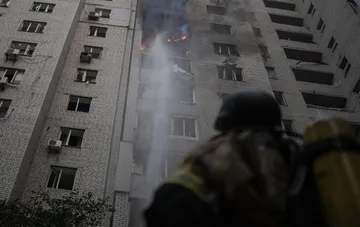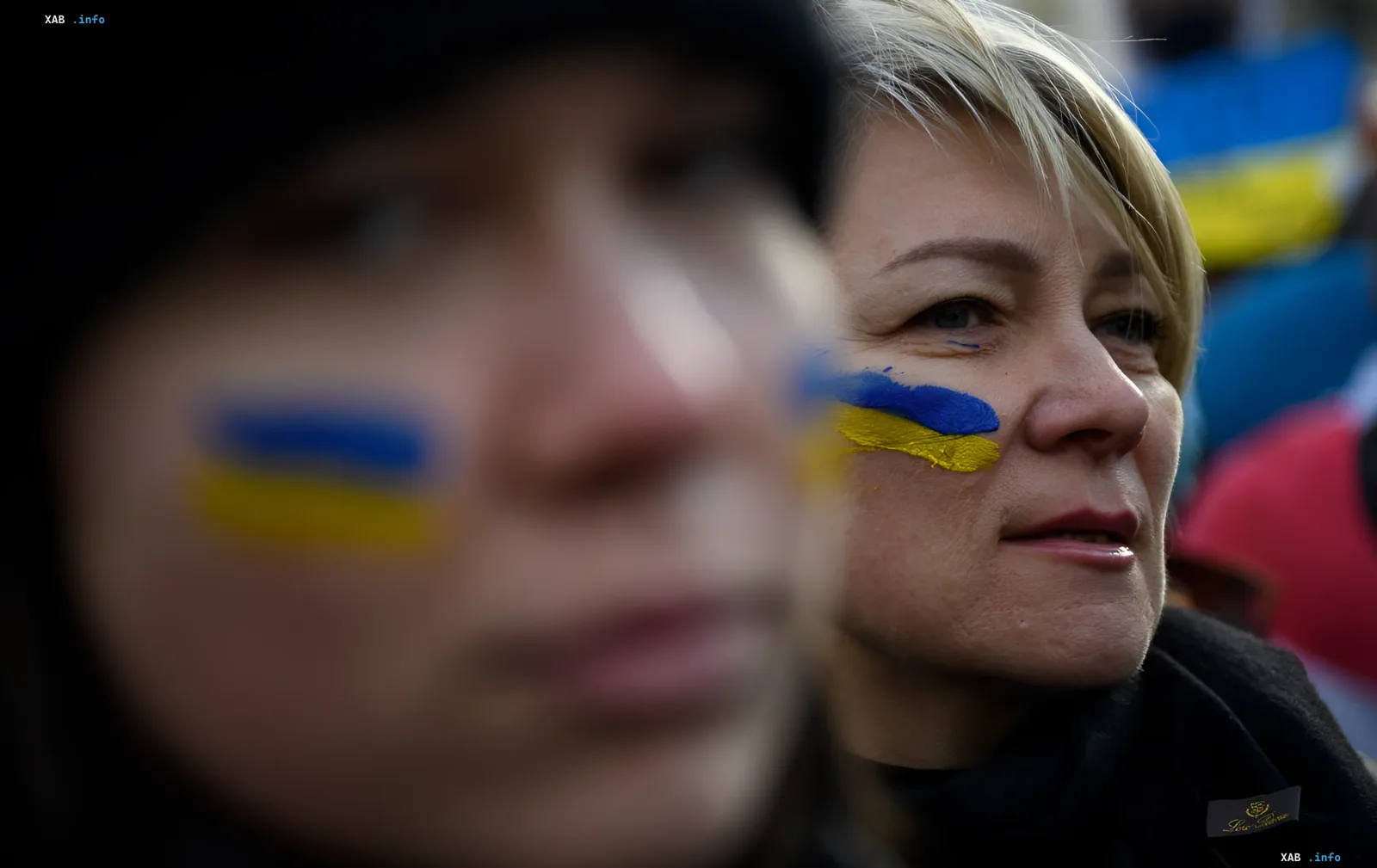
The Kyiv International Institute of Sociology (KIIS) has published the results of a survey recording the steady readiness of the majority of Ukrainian society to continue armed resistance to Russian aggression even under conditions of systematic strikes on energy infrastructure. According to the sociologists' data, 77% of respondents expressed a firm conviction that the fight must go on, even if part of the population is forced to go without electricity, heating, and sewage for an extended period. This is an indicator that reflects the priority of sovereignty over everyday hardships in the mass consciousness at the present moment.
Readiness to resist despite winter blackouts
The central question of the survey was a hypothetical scenario in which regular attacks on the energy sector lead to prolonged outages of electricity, heat, and sewage. Under such conditions, 77% of those polled stated the need to continue armed resistance. A significantly smaller share — 12% — voiced the opinion that under such difficult circumstances one should agree to any demands of the aggressor country, even if they look like a capitulation of Ukraine. A further 11% of citizens were unable to clearly formulate their position on this issue, which points to some uncertainty within part of society but does not change the overall picture of the dominance of the pro-resistance stance.
Regional picture: from the East to Kyiv
The readiness to resist despite winter household difficulties prevails in all regions of Ukraine, with the share of supporters of continuing the fight ranging from 68% in the East to 83% in Kyiv. The capital shows the highest level of support for armed resistance in the country, and this is recorded despite a campaign of enemy strikes by ballistic missiles and reconnaissance drones that directly affect the city's energy infrastructure. Thus, even in the most bombarded regions, support for resistance remains an absolute majority.
Contradictory data
Cross-checking of sources revealed a discrepancy in the wording of the key figure: in the telegraphic headlines of several outlets the result is reported as "nearly 80%", whereas in the main body of the material and in the survey methodology the exact figure of 77% is given. The difference is explained by rounding when preparing headlines, not by a difference in versions between the parties: both values refer to the same KIIS survey. Nevertheless, the editorial team notes that the exact value recorded in the primary data is 77%, while the wording "nearly 80%" is a journalistic rounding.
Context: refugees and subjective well-being
Additional context of the survey concerns the situation of Ukrainian refugees in Poland, where, according to the sociologists, the majority have already adapted to life in the country. At the same time, half of those polled stated plans to return to their homeland, mainly after the end of the war. It is separately noted that despite the full-scale war, the majority of Ukrainians consider themselves happy, and the share of such respondents has grown noticeably over the past year and a half; at the same time, 16% of those polled called themselves unhappy. The totality of these data indicates that the readiness to continue resistance is underpinned by both patriotic motivation and a sustained level of subjective well-being in society.