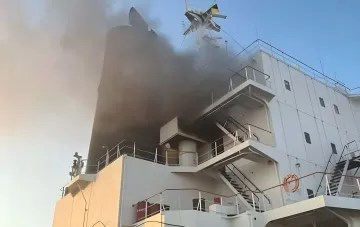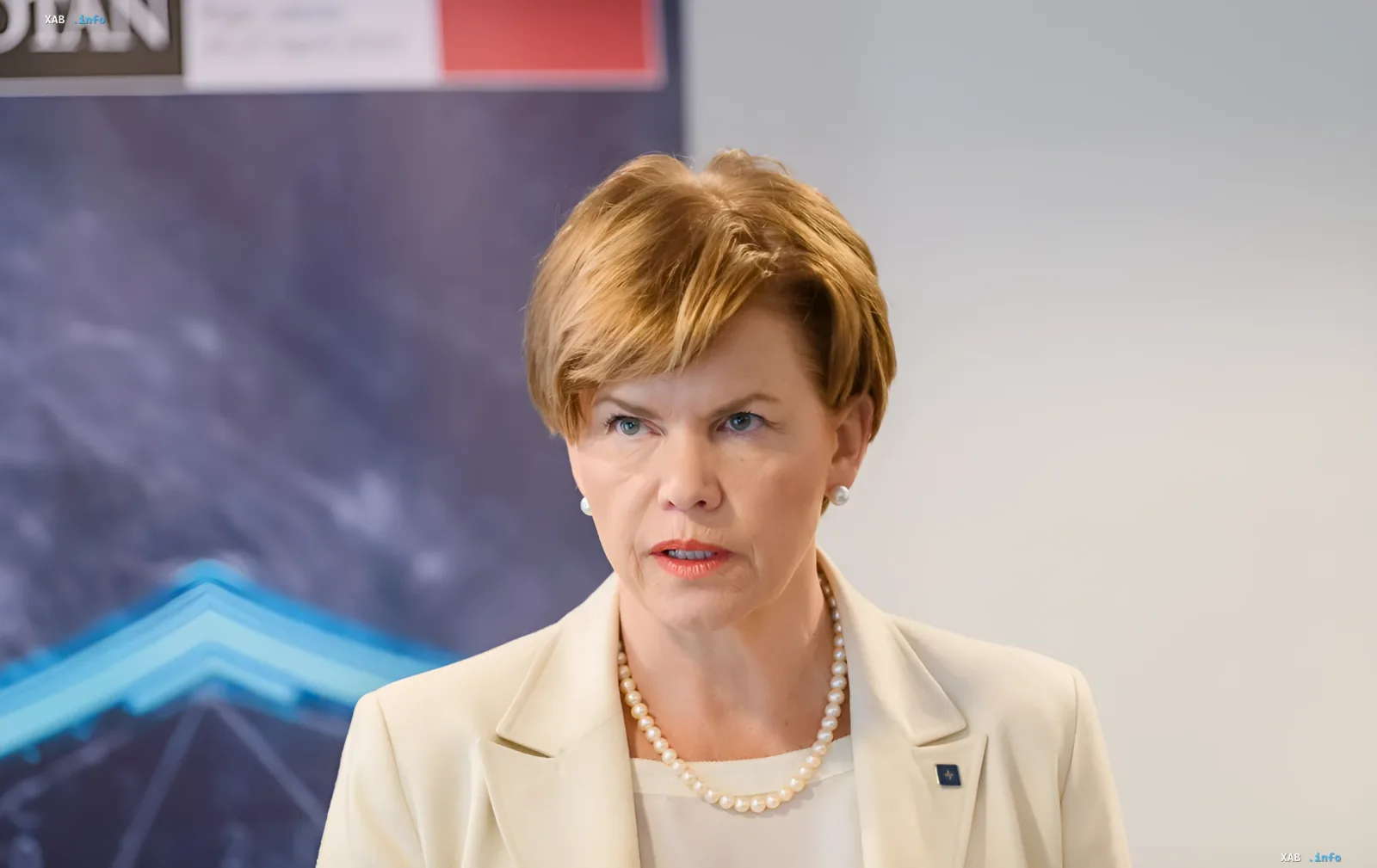
Lithuania... correction: Latvia's Foreign Minister Baiba Braže issued a sharp warning to Moscow in a post on the social network X, stating that Russian strikes on Ukraine's grain infrastructure, ports, and maritime routes pose a direct threat to global food security. "Russia wants to starve the world. Attacks on grain infrastructure, ports, and sea routes harm approximately 400 million people worldwide, including in some of the most vulnerable countries," Braže wrote, commenting on the consequences of Russia's overnight attack on Ukraine in the night of August 27, 2026.
Reaction to Strikes on Grain Exports
The Latvian diplomat's statement was a response to a message from Ukrainian Foreign Minister Andriy Sybiha, who described in detail the consequences of the Russian attack carried out in the night of August 27. According to him, the strikes deliberately target facilities that ensure the export of Ukrainian grain, putting food supply chains for dozens of countries around the world at risk. Sybiha emphasized that Kyiv is calling on allies to prepare additional aid packages for Ukraine ahead of the winter period, when the vulnerability of logistics chains increases manifold.
Call for Immediate Measures: Routes, Quotas, and Freedom of Navigation
"We are calling for immediate action to overcome the consequences of Russian attacks on grain exports from Ukraine: additional routes, quotas, grain storage equipment, and joint efforts to ensure freedom of navigation along our maritime routes," Sybiha stated in his address. These demands are aimed at minimizing the impact of Russian strikes on the global food market and ensuring uninterrupted supplies to the countries most dependent on Ukrainian grain and oilseed exports.
Blockade and Logistics Crisis on the Danube
The context of the diplomatic exchange takes on particular urgency against the backdrop of already recorded logistical disruptions. It recently became known that a queue of dozens of vessels heading to Ukrainian ports has formed near the Sulina channel on the Danube, indicating growing pressure on inland waterway logistics. Moreover, according to available data, the maritime blockade carried out by Russia is capable of disrupting next year's sowing campaign, which would turn the current crisis into a long-term structural deficit in the global food market.
Broader Context: "Peace Through Strength" as a Response to Aggression
Baiba Braže's position fits into a broader discourse she has been conducting on Russian policy. In recent speeches, the Latvian minister has emphasized that Europe and the United States must continue to pursue a "peace through strength" approach toward Russia, since diplomatic concessions do not stop escalation. The statement about "starving the world" essentially serves as a public acknowledgment that, in Riga's assessment, the Kremlin is deliberately using food security as a tool of geopolitical pressure.