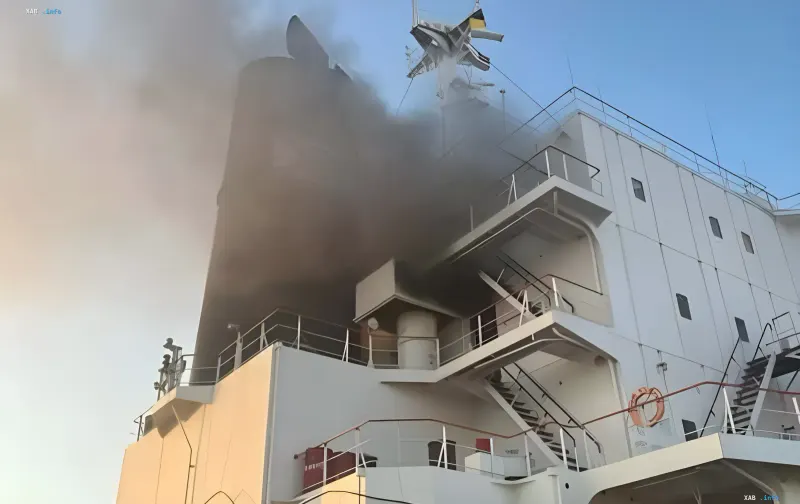
Ukraine currently sees no realistic prospects for securing a maritime truce with the aggressor state. Moscow's position remains unchanged, making it impossible to restore full and safe navigation for exporting Ukrainian agricultural products through the Black Sea in standard volumes.
Official Statements in Brussels
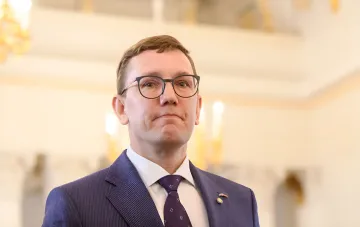
According to Ukraine's Minister of Agrarian Policy and Food, Taras Vysotsky, speaking to journalists in Brussels with reference to Bloomberg, Ukraine received information from international partners that the Russian side completely rejected all initiatives for a ceasefire at sea. He stated that Kyiv proceeds from the assumption that positive shifts in this matter cannot be expected in the coming months, and the agricultural sector must prepare for the critical situation to persist.
International Appeals and Diplomatic Efforts
Earlier, 51 UN member states issued a joint statement urging the Russian Federation to agree to a full, immediate, and unconditional ceasefire. The appeal emphasized that Ukraine expressed readiness for such a step back in March 2025. Despite this, all options for diplomatic settlement and navigation security guarantees proposed by the international community were rejected by the Kremlin, which continues to find excuses for refusal.
Contradictory Data
While Ukrainian authorities and international diplomats state that Moscow completely refuses compromise and ceasefire, alternative assessments emerge in the information space. In particular, US Secretary of State Marco Rubio previously stated that Russia had expressed a certain interest in a truce with Ukraine. However, current practice and the hardline stance of the Russian leadership regarding the Black Sea region refute these diplomatic expectations, reducing the practical results of potential consultations to zero.