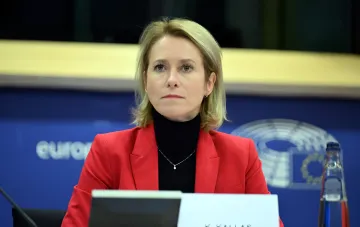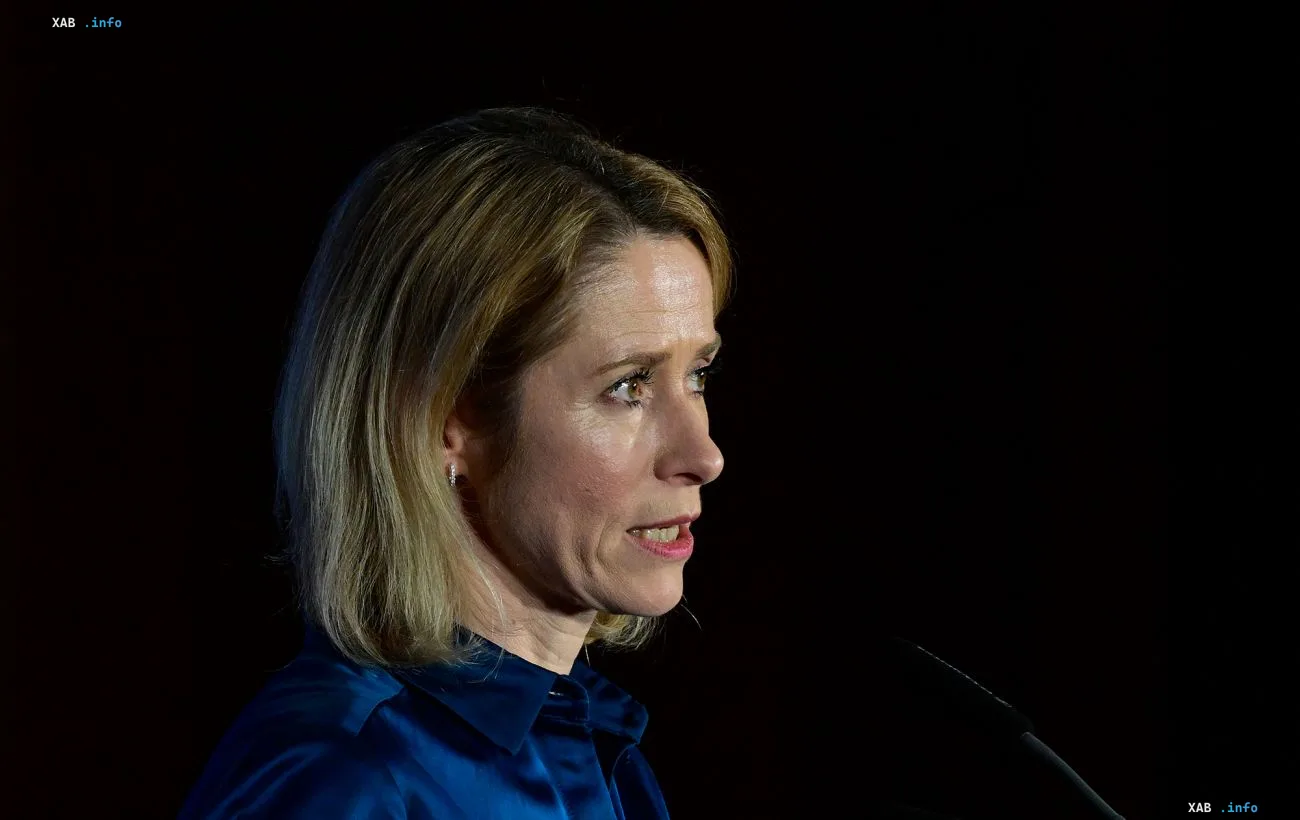
Kaja Kallas, the European Union's High Representative for Foreign Affairs and Security Policy, called for a moratorium on attacks in the Black Sea. The statement was made during a live broadcast by EU officials at the UN General Assembly session in New York and aired on 23 September 2026. According to Kallas, such a measure is necessary to restore safe navigation and revive Ukrainian grain exports, which have effectively halted since August amid intensified Russian strikes on maritime targets in the region.
Call for a Moratorium and a New Grain Deal
Kallas stated plainly: "We are presenting the European Union's call for a Black Sea Grain Deal with a moratorium on attacks." In this way, Brussels is proposing not merely a temporary truce, but an institutionalized mechanism — a new agreement that would provide for a cessation of attacks in the region as a condition for resuming commercial navigation. The head of EU diplomacy emphasized that the consequences of Russian aggression are felt far beyond Ukraine, and that the sharp rise in agricultural prices in 2022 clearly demonstrated how critical the Black Sea is to international trade and to the energy and food security of the entire world.
The Scale of Ukraine's Agricultural Exports
In her address, Kallas cited a number of key figures characterizing Ukraine's role in the global food balance. The country accounts for 15% of the world's corn exports, 10% of wheat, 15–20% of barley, and about half of the sunflower oil supplied to global markets. At the same time, nearly 90% of this produce is shipped via the Black Sea corridor. The loss of this route means that dozens of countries dependent on Ukrainian grain and oilseeds find themselves in a zone of direct risk of food shortages.
Halt of Maritime Exports Since August 2026
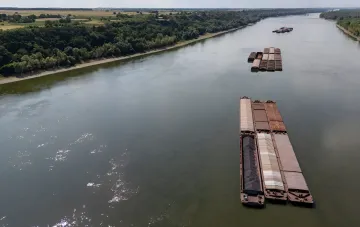
According to the data presented by Kallas at the General Assembly, maritime grain exports from Ukraine have effectively stopped since August 2026. The intensification of Russian attacks on ships in the Black Sea — including on commercial vessels exporting grain — has made commercial navigation in the region either extremely difficult or entirely impossible. Ukraine's defense forces, in turn, are carrying out retaliatory strikes on Russian vessels, among which are often so-called shadow tankers transporting oil. Such mutual escalation makes navigation dangerous for all participants and deters insurance companies, which refuse to cover voyages in the conflict zone.
Global Risks and the Climate Factor
Kallas also drew attention to the fact that the problems in the Black Sea do not exist in a vacuum. Global supply chains are simultaneously under pressure from the conflict in the Persian Gulf and from the long-term consequences of climate change, which are reducing yields in a number of regions. The cumulative effect of these factors, in the assessment of the head of EU diplomacy, multiplies the vulnerability of the global food market. "Food must never be used as a weapon of war," Kallas emphasized, addressing the hall of the UN General Assembly.
Context and Significance of the Initiative
Brussels' initiative for a new Black Sea Grain Deal logically continues the line begun with the first grain initiative of 2022; however, in a situation where the previous formats have effectively ceased to work due to ongoing attacks, the EU is proposing a stricter construct — with a direct condition of a moratorium on strikes. For Moscow, which systematically uses control over maritime communications as a tool of pressure, such a call means the need for a public choice: either accept the moratorium and allow exports to be restored, or bear responsibility for deepening the global food crisis. The Russian side's reaction to Kallas's initiative had not been recorded at the time of publication.