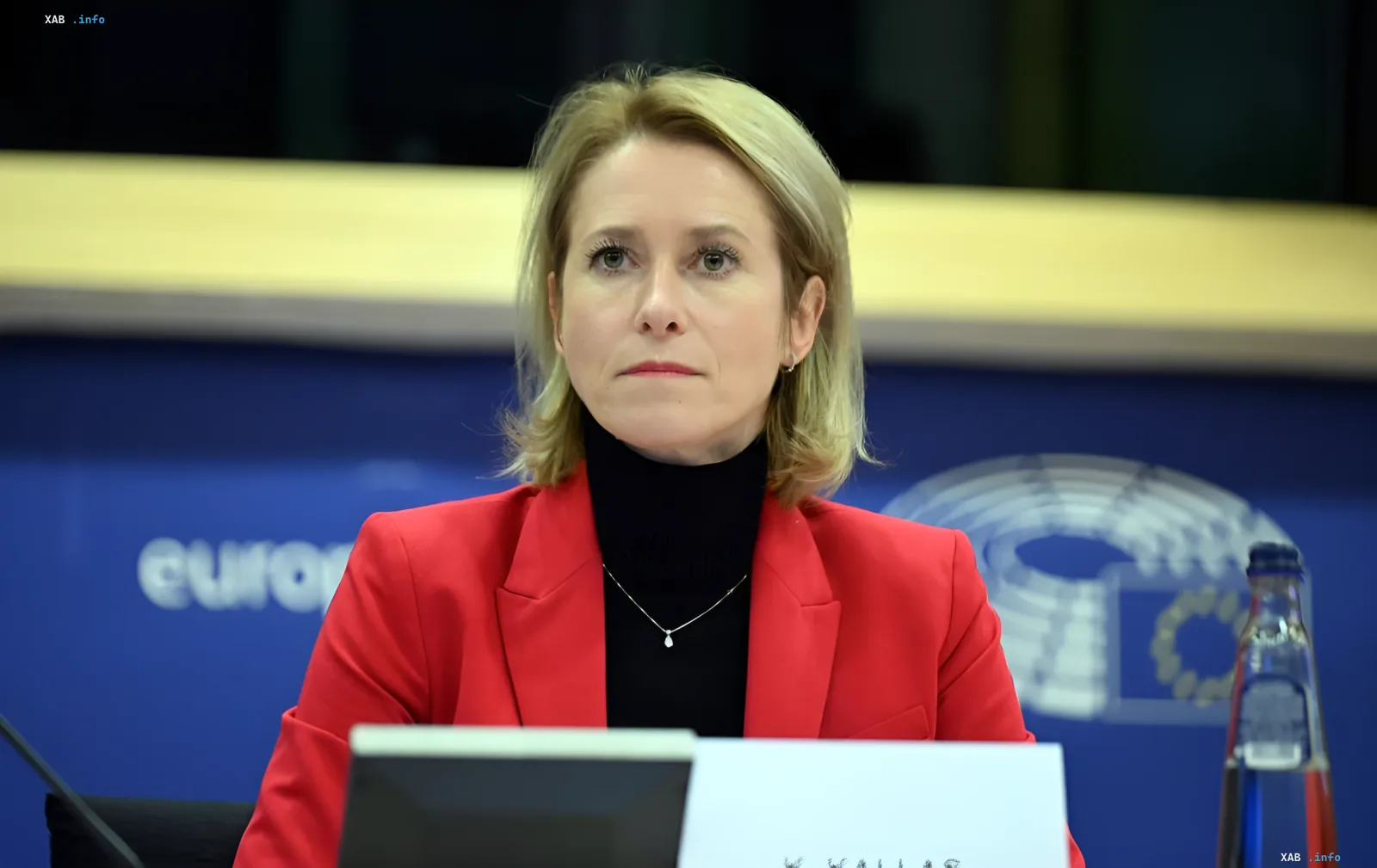
Kaja Kallas, the head of EU diplomacy, publicly stated her support for initiatives to introduce a moratorium on military attacks in the Black Sea. In her words, such measures are necessary to ensure the safe export of Ukrainian grain and to prevent a new global shock in food security. The statement was made during a press conference dedicated to the outcomes of an informal meeting of the foreign ministers of the European Union countries, and was reported to Ukrainian media with reference to RBC-Ukraine.
Context: informal meeting in Ireland
Issues of shipping safety in the Black Sea were discussed at an informal meeting of the EU foreign ministers, which took place in the Irish town of Wicklow. It was against this backdrop that Kallas outlined Brussels's position: strikes on civilian grain ships pose a threat not only to Ukraine but to the entire world, which depends on stable food supplies. The diplomat directly linked the military activity in the waters to the risk to global supply chains.
Moratorium as a tool for food security
"I support initiatives to introduce a moratorium on attacks in the Black Sea," Kallas stated, emphasizing that Russian strikes on grain ships could trigger yet another global shock in food security. Thus, Brussels is effectively calling for de-escalation precisely in the segment where military actions directly hit civilian shipping and port infrastructure, rather than military targets.
Alternative routes and grain storage
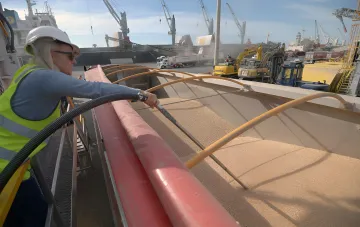
Kallas noted that the EU supports the export of grain from Ukraine via alternative transit routes and strives to support the storage of grain within the country in order to protect global food security. At the same time, the diplomat made a key caveat: "nothing can replace the volumes that can be transported by sea." This indicates that maritime routes remain a priority for Brussels, while land and alternative corridors are considered only as a temporary compensation.
Strikes on ports and economic consequences
Earlier, The Telegraph reported that Russian strikes on civilian shipping and port infrastructure had sharply reduced the operations of the ports of Odesa, Chornomorsk, and Yuzhne. The halt of shipping due to enemy attacks can deal a serious blow to the Ukrainian economy, and the issue of unblocking the ports and finding alternatives remains one of the central topics in the discussion on food security. The moratorium initiative, which Kallas supported, appears to be an attempt by the EU to offer a political tool to mitigate these risks.