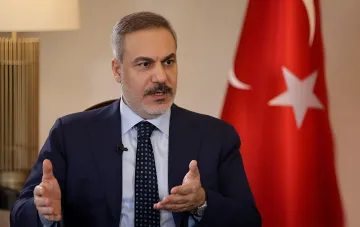
Turkey has sharply stepped up its diplomatic efforts to establish a new security mechanism in the Black Sea aimed at resuming food exports from Ukraine and Russia. According to Turkish and Ukrainian media, the Turkish Ministry of Transport and Infrastructure, together with the Foreign Ministry, is holding continuous contacts with Kyiv and Moscow. Deputy Transport Minister of Turkey Durmuş Yuniova, speaking at a meeting with the Maritime Trade Chamber, confirmed that diplomatic channels are operating on a 24/7 basis, although no clear timeline for concluding an agreement has been set at this point. Ankara's goal is to ensure the protection of merchant vessels and prevent a further rise in global food prices.
Shipping halted: nearly 100 million tonnes of grain stuck in ports
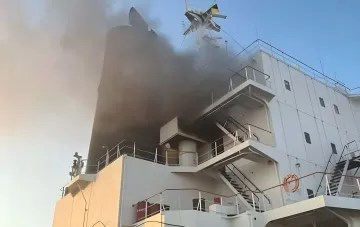
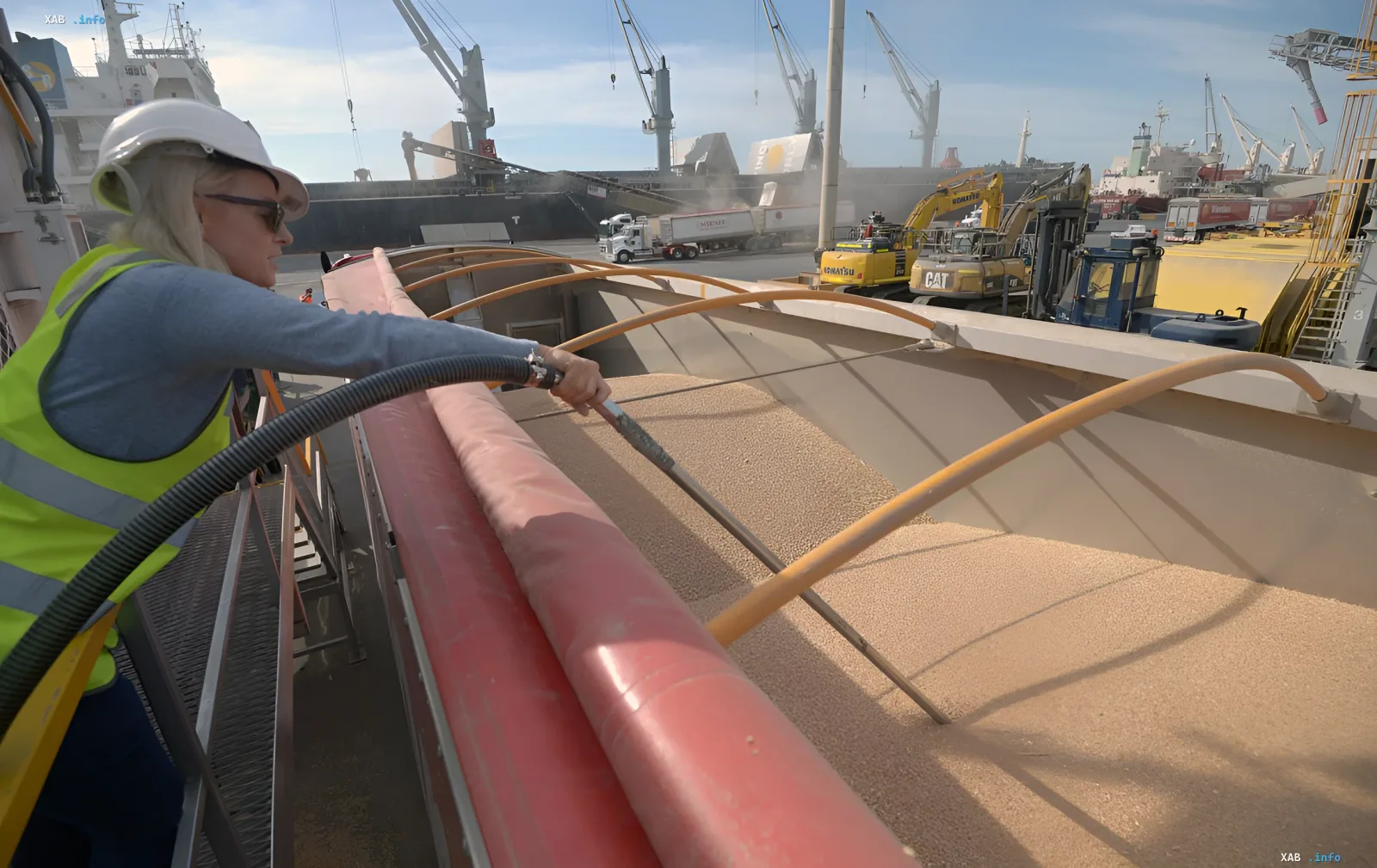
According to the outlet, as a result of attacks on merchant vessels, civilian shipping in the Black Sea has effectively ceased. The President of the Istanbul Association of Grain, Legume and Oilseed Exporters stated that "the process of creating a grain corridor in the Black Sea has been completely interrupted. Currently, no products are coming into Turkey from either Ukraine or Russia." In total, around 100 million tonnes of food commodities cannot reach global markets, leading to their spoilage in storage facilities. The expert warned: if the problem is not resolved within two months, the rise in grain prices could exceed 10%.
Price shock: wheat at a three-year high
The impact of the blockade on global markets is already being felt. According to available data, grain prices have risen by 4–4.5% since the start of the crisis, while the global price of wheat has reached a three-year high, jumping by 18% amid renewed risks to logistics. Global markets, according to analysts, are already bracing for the worst-case scenario if the Black Sea corridor is not restored in the coming weeks. For Turkey, this means not only external pressure but also a direct threat to its own economic interests.
Risks for Ankara itself: $13 billion at stake
The supply blockade also creates serious risks for the Turkish economy. Although Turkey's domestic market is fully supplied with food, processing exports have come under pressure. Turkey purchases raw materials from Ukraine and Russia, processes them, and exports the finished products. Last year, this sector brought $13 billion to the Turkish budget. A prolonged halt to the corridor, according to experts, could cause irreparable damage to Turkish exports and lead to job losses in the processing industry.
Ukraine on the brink: threat of a one-third cut in sown areas
Within Ukraine, the crisis is taking an even sharper form. Due to a shortage of space in silo storage and a lack of working capital among farmers, the country risks reducing its sown areas for the coming harvest by 5–7 million hectares, which amounts to nearly a third of all plantings. This poses a threat not only to the current but also to subsequent harvests, creating a long-term food shortage. The situation is compounded by the fact that, without access to seaports, alternative overland routes cannot compensate for the volumes of Black Sea exports.
Diplomatic track: Erdogan and multivector negotiations
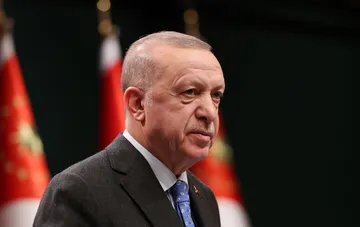
At the highest level, the grain corridor issue is also in the spotlight. Turkish President Recep Tayyip Erdogan intends to discuss with Russian leader Vladimir Putin the parameters of the new mechanism and the prospects for a settlement in Ukraine. In parallel, Ankara, according to Reuters reports, will be demanding security guarantees for Ukrainian vessels from the parties to the agreement. Thus, Turkey is positioning itself as a key mediator, whose diplomatic weight could become a decisive factor in restoring Black Sea logistics. However, as Durmuş Yuniova himself emphasises, the absence of a clear timeline means that even with round-the-clock work by diplomats, the outcome may be delayed.