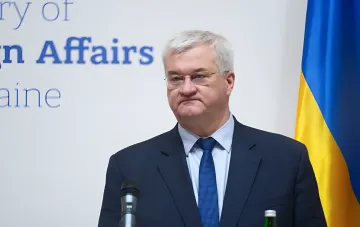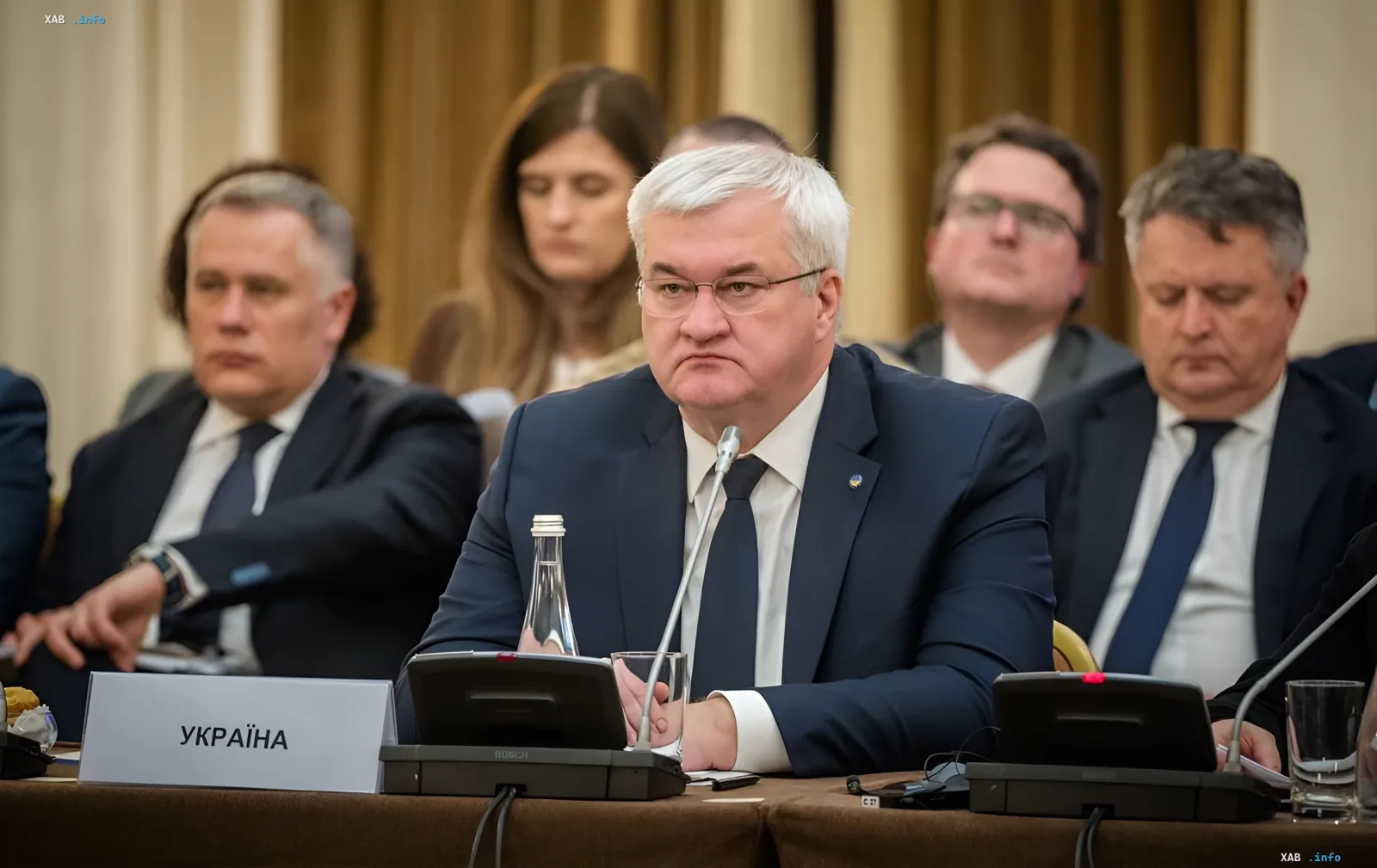
Ukraine's Foreign Minister Andrii Sybiha stated that the country's rising defense and reconstruction expenditures should be covered by frozen Russian assets. He made this remark while thanking the foreign ministers of Sweden, Poland, the Netherlands, and Spain for their joint letter on immobilized Russian assets. According to the foreign minister, it is precisely these funds that should help Kyiv close the growing gap in its defense and infrastructure reconstruction budgets.
The logic of using Russian assets
Sybiha argued that Russia refuses to end the war and continues to escalate terror, which means Ukraine must cover the shortfall in its constantly growing defense and reconstruction spending. "It is entirely fair and logical to use Russian assets, rather than only the money of European taxpayers, to cover the additional costs of defending Ukraine and the rest of Europe from the Russian threat," the minister emphasized while speaking at an international event.
A call for a rational, not emotional, discussion
The head of Ukraine's Foreign Ministry stressed that the discussion of the mechanism for using the frozen funds should be rational, not emotional. In his view, experts are capable of developing real solutions that comply with European standards, international law, and the principle of the rule of law. At the same time, Sybiha noted that the risks associated with the mechanism can be collectively mitigated and distributed evenly, without placing an unfair financial burden on individual EU member states.
Context: the EU reparations loan and the scale of the damage
Sybiha's remarks fit into a broader context of European initiatives. Earlier, the European Commission proposed providing Ukraine with a 140 billion euro reparations loan from frozen Russian assets, a significant portion of which was planned to be directed toward weapons purchases. The minister himself had previously noted that these funds are critically important for Kyiv, as the total war damage, by his estimate, has already exceeded 600 billion dollars.
Expectations and next steps
Sybiha added that he expects to discuss the issue of using frozen assets with his EU counterparts next week. Thus, the topic is shifting from a declarative one to a subject of concrete negotiations, where the key elements will be the legal design of the mechanism and the model for distributing risks among European states.