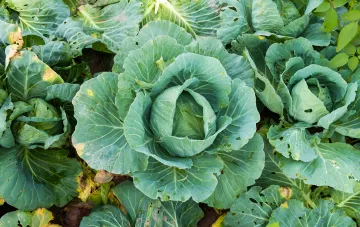
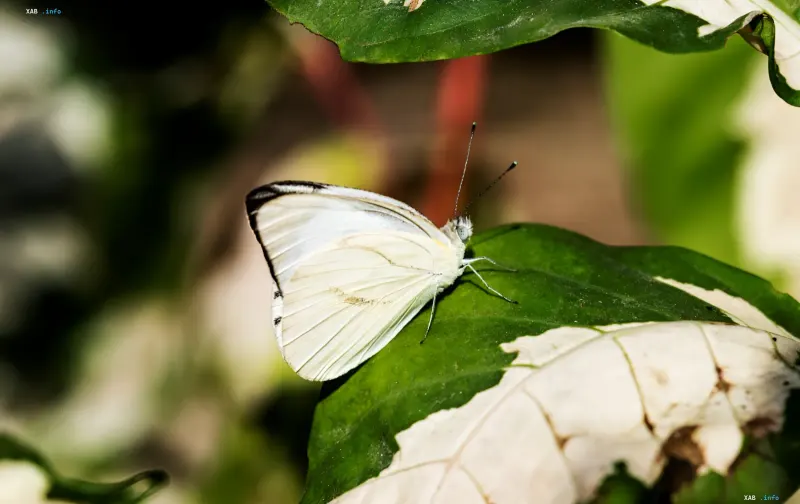
August is a critical month for gardeners, when the cabbage harvest is at its peak vulnerability. In the conditions of the warm summer of 2026, pest activity, especially that of the cabbage moth and the cabbage white butterfly, has reached peak levels. These insects lay eggs on the leaves, and within a few days, caterpillars hatch from them, capable of destroying a head of cabbage in a matter of days. Experts and experienced gardeners share proven folk methods that will help preserve the harvest without using aggressive chemicals.
Aromatic Barrier: Garlic, Onion, and Citrus
One of the most accessible and effective ways to repel pests is the use of strong odors. Cabbage white butterflies orient themselves by the smell of plants, so masking cabbage with other aromas can be a lifesaver. The classic recipe involves crushing several cloves of garlic, steeping them in water, and subsequently spraying the beds. A similar effect is achieved with an onion skin infusion. A more modern and pleasant-smelling method is the use of citrus peels. Orange or lemon peels are poured with hot water, steeped, and used as a spray. However, it is worth remembering that the evidence base for the effectiveness of citrus specifically against cabbage whites is currently small, so this method is best used as a supplement.
Companion Plants and Agronomic Practices
Harvest protection begins at the stage of bed planning. Experienced agronomists recommend not planting cabbage in a solid mass, but alternating it with other crops. This makes the bed less noticeable to pests. Furthermore, planting strongly scented herbs near the cabbage — mint, thyme, rosemary, or sage — creates a natural barrier. The sharp aromas of these plants can partially mask the smell of cabbage, making it less attractive to butterflies. This method not only protects the harvest but also decorates the garden, turning it into an aromatic flower bed.
Folk Recipes: Wormwood and Hot Pepper
Among folk remedies, wormwood holds a special place. Its bitter smell is one of the most typical and proven ways to repel pests. An infusion of fresh or dried wormwood is used to spray cabbage. Another effective recipe is a mixture of garlic, hot pepper, and water. The resulting solution has a very strong aroma that butterflies dislike. However, caution is important: concentrated infusions can damage plant leaves. Before treating the entire garden, it is better to test the remedy on a few leaves to avoid burns.
Contradictory Data
There is a folk trick according to which placing light-colored objects or white marks near cabbage can repel butterflies. It is believed that such elements resemble the presence of other butterflies, causing pests to look for another place. However, this method remains controversial: although it is interesting as an experiment, there is no scientific confirmation of its effectiveness. Some gardeners claim the method works, while others consider it a placebo effect. In any case, using light-colored objects will not hurt and can become an additional element of protection in combination with other methods.
The Importance of a Comprehensive Approach
Protecting cabbage from pests requires a comprehensive approach. No single method guarantees 100% success, but combining aromatic infusions, companion plants, and agronomic techniques significantly increases the chances of preserving the harvest. It is important to remember that prevention is better than cure: regular spraying and monitoring the condition of plants will help notice the appearance of pests in time and take measures. In August 2026, when the activity of butterflies and caterpillars is particularly high, every gardener must be ready for the battle for their harvest.