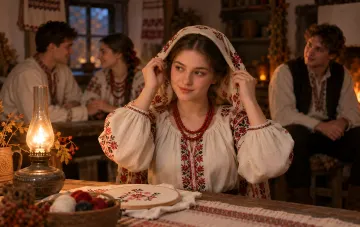
Preparing housing for winter frosts in traditional Ukrainian culture had strict timeframes and deep symbolic meaning. The main milestone of the seasons was long considered the Feast of Pokrova, by which people tried to finish all field work, harvest crops, and thoroughly insulate their homes. As researchers of folk traditions note, this period combined purely practical concerns about survival and ancient sacred beliefs passed down from generation to generation.
Traditional Division of Labor and Insulation
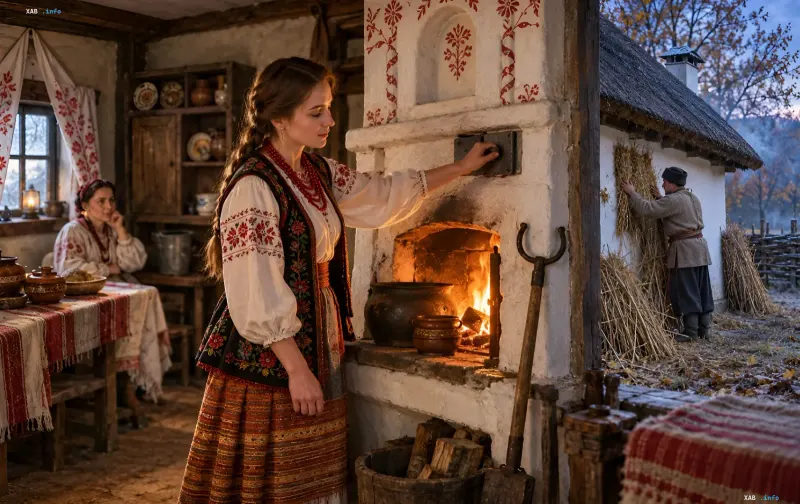
In autumn, people tried to use the weather as efficiently as possible to finish repairs before frosts set in. According to archival records of etnologists, in particular Sofiya Tereshchenko's research from 1926, families had a clear division of labor before Pokrova. Women whitened and plastered the house both inside and out, while men surrounded the perimeter with straw or weeds, creating an effective thermal barrier.
Folk Beliefs and Climate Omens
There was a persistent belief: if you failed to insulate your home before Pokrova, further efforts were pointless, as the house would supposedly no longer warm up properly. Historical sources also record many regional features of completing the economic cycle. For example, in Boykivshchyna they said "Pokrova has everything at home," and in Zakarpattia potatoes, corn, and winter crops were massively harvested by this deadline.
The Dawn Ritual of "Driving in the Heat"
On Pokrova itself, a special ritual was performed aimed at preserving warmth throughout the winter. At dawn, housewives got up to heat the stove and cook lunch before sunrise, after which they tightly closed the chimney damper. This action was accompanied by the metaphorical description of "driving heat into the house." Even lonely and sick people tried to observe this custom, sincerely believing in its protective and creative power.
The name of the holiday goes back to the church tradition of the veil of the Mother of God, which in the popular consciousness transformed into a universal image of protection. It was believed that Pokrova "covers" not only the ground with snow, but also human dwellings with a roof. That is why the completion of construction and moving into a new house were timed to coincide with this day, believing that under the protection of higher forces, peace, comfort, and well-being would settle in the home for a long time.