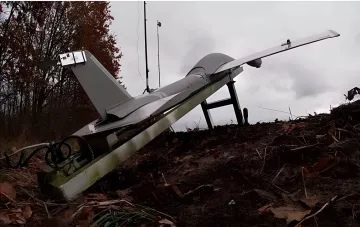
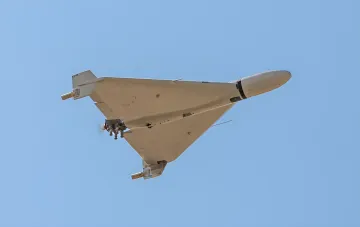
On November 15, 2026, a ban on the ownership and possession of unmanned aerial vehicles came into effect in Beijing. According to the authorities, the restriction aims to ensure the security of the Chinese capital and applies to all urban and rural areas of the municipality, covering about 16,400 square kilometers—an area comparable to about half of Belgium. Now, flying drones is not the only thing prohibited in the city; owning them, storing them, and importing the drones themselves and their key components into Beijing is also banned.
Chronology of the Rule Tightening
The Beijing authorities announced the decision to introduce the ban back in September 2026, giving residents time to get their affairs in order. Before the rules took effect, owners had to get rid of their devices: resell them at approved buyback points or online, or take the drones outside the restricted area. According to local media, residents were also offered subsidies for selling drones at special buyback points, recycling them, or taking them out of the city. Those found with a drone after November 15 face fines and device confiscation, applicable to both individuals and companies.
What Preceded the Ban
The new restrictions are a logical continuation of previously adopted measures. As early as May 2026 (starting May 1), Beijing banned the sale and rental of drones and required owners to register their devices with state authorities, though citizens were allowed to keep their equipment at the time. The entire administrative territory of the city was declared a controlled airspace zone, and unauthorized drone flights were prohibited. Thus, the ownership ban has become the next and most stringent stage of the phased rule tightening.
The Trigger: The Skyscraper Incident
The tightening of the rules followed heightened concerns over the security of the airspace above the capital. In late June 2026, a light aircraft crashed into the city's tallest skyscraper—CITIC Tower. The crash resulted in the pilot's death and injuries to 13 other people. The incident became a trigger for reviewing approaches to controlling the airspace over the city, which houses China's central government, the country's top leadership, and the headquarters of the ruling Chinese Communist Party—an area where strict security measures are already in place.
Exceptions and Context
The ban is not absolute: exceptions for drone flights can be made in special cases. These involve counter-terrorism tasks, law enforcement, rescue operations, as well as agricultural applications and scientific research. At the same time, drones have become extremely popular in China in recent years, especially for landscape photography, making the new ban a noticeable restriction for a wide range of citizens. The authorities emphasize that the goal of the measure is to reduce risks in the capital's airspace, where the country's key state institutions are concentrated.