Prolonged power outages can radically change your household routine and your family's diet. When the fridge and stove stop working, the focus shifts to foods you can open and eat without heating or cooling. Food technologist Kristina Havrysh, in her Instagram account (as referenced by the publication Styler), put together a practical list of what to keep on hand in case of a long blackout. The key principle is that food must remain accessible and safe without electricity.
Water: the CDC baseline and accounting for every family member
The first and most critical item in your stockpile is drinking water. According to the U.S. Centers for Disease Control and Prevention (CDC), the minimum benchmark is about 3.8 liters per person per day in an emergency. It is important to calculate the volume not only for adults but also for children, and not to forget about pets. The expert advises keeping part of the supply in portable containers so that, if needed, you don't have to open the entire container at once and risk contaminating the water.
Canned goods, legumes, and nuts: the foundation of a 'cold' diet
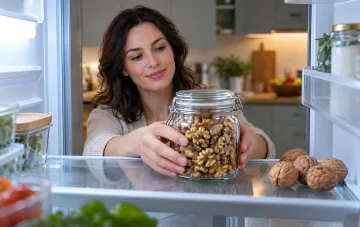
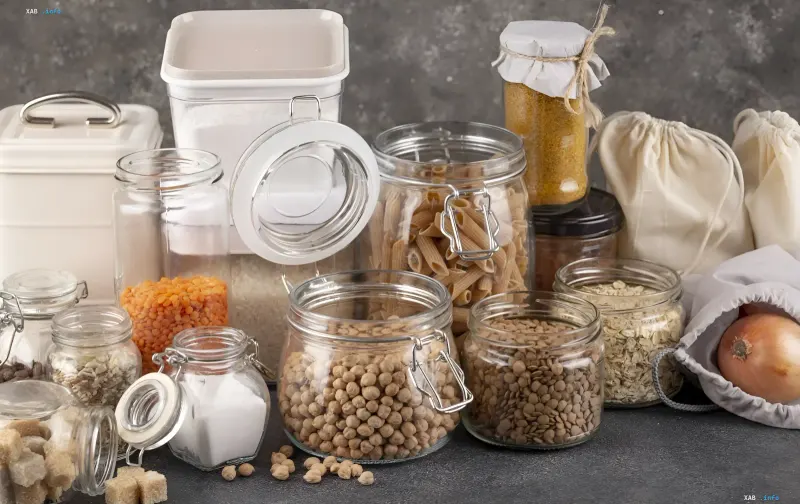
During a prolonged power outage, ready-to-eat foods that you can open and eat immediately become the most practical. It is recommended to keep canned beans, chickpeas, lentils, canned fish and meat, as well as small packages of ready-made pâté. It is crucial to choose portions you can actually finish after opening: without a fridge, leaving food 'for later' is unsafe. Nuts and seeds take up little space, are energy-dense, and require no cooking; nut butter in a small package is also convenient. However, don't buy nuts 'for years' — fats oxidize over time, so you must check expiration dates and smell before consuming them.
Grains and bread: a convenient base, but not the only source of nutrition
Crackers, rusks, crackers, tortillas, and other long-lasting breads can form the base of a complete meal, complemented by chickpeas, pâté, or canned vegetables. At the same time, it is important not to make such foods your only meal of the day: their role is to be a convenient base combined with proteins, fats, and vegetables. Couscous, oatmeal, and other quick grains seem ideal for a blackout, but there is a catch: they need hot water. Therefore, buy such foods only together with a real backup way to heat liquid — a burner (only where it is safe and permitted) or a thermos, which helps keep water hot longer and saves energy. Part of your stockpile must consist of foods you can eat without heating: a supply that depends entirely on an electric stove has a clear strategic flaw.
Vegetables, fruits, and drinks: what will round out the diet
For a longer-term stockpile, canned corn, peas, tomatoes, beans, lecho, and vegetable mixes are suitable — they need no cooking and pair well with grains, crackers, or canned goods. Among fresh fruits, apples and citrus keep the longest; bananas are best bought in small batches, since they are a current-consumption product rather than a long-term reserve. Dried fruits are compact and provide quick carbohydrates, but they cannot fully replace fresh fruits and should not form the basis of the diet. UHT drinks can be stored without refrigeration until opened, if the label indicates so; small packages are more practical here, since storage conditions change after opening. Chocolate, cookies, and bars are useful as a quick energy source and a way to boost morale, however, the stockpile should not be built solely on sweets — you need to account for the needs of children, people with allergies, or special diets.
Practical details and the FEFO rotation principle
It may seem trivial, but this is exactly what can make part of your stockpile inaccessible: if canned goods don't have a built-in ring or key, make sure you have a manual can opener that doesn't rely on electricity. Keep it near the food and check that it actually opens cans comfortably. For pets, prepare food, water, and any necessary medications in advance. A home stockpile shouldn't sit untouched for years: the best strategy is rotation, where foods are used in everyday life and gradually replenished with new ones. It is convenient to follow the FEFO (First Expired, First Out) principle — use first what has the earliest expiration date, and place shorter-shelf-life items closer so they enter your regular diet first. A good stockpile is not just dozens of packages scattered across shelves, but a well-thought-out system in which you already know exactly what you will cook or eat from them.