The recent blackout in Dnipro clearly demonstrated how critically important it is to be prepared for prolonged power outages. According to Mykola Lukashuk, Head of the Dnipropetrovsk Regional Council, a lack of electricity simultaneously causes problems with water supply, heating, and communications, which is why a family's resilience buffer must be built in advance rather than at the moment of the outage. The recommendations published in his Telegram channel and reported by Styler (RBC-Ukraine) boil down to a clear set of actions: from creating a multi-day supply to rules for the safe handling of household appliances and response algorithms in case of carbon monoxide poisoning.
A Three-to-Five-Day Supply as a Baseline Minimum
The first and main step is to build up a home supply of essentials for three to five days. The volume and composition of supplies depend on the number of family members, their individual needs, and the ability to store food without a refrigerator. The list includes water, non-perishable foods, medications, batteries, chargers, and light sources. It is important to regularly check expiration dates and periodically renew supplies so that at the moment of a real blackout, you do not discover expired medicines or dead batteries. Basic items—flashlights, power banks, chargers—are best gathered in one accessible place to avoid wasting time searching for them in the dark.
Communications and Family Evacuation Plan
A separate block of preparation concerns communication. It is necessary to agree in advance with relatives on a communication method in case the mobile network disappears: determine a backup channel, and write down important numbers on paper. You should also agree on a specific meeting place where the family can gather if phones stop working. If mobile communication is lost, it is recommended to use national roaming—it allows you to automatically connect to the network of another Ukrainian operator if your own is unavailable. If the connection does not appear on the first try, you should try again or check the availability of another network.
Rules for Handling Equipment During Outages and Restoration
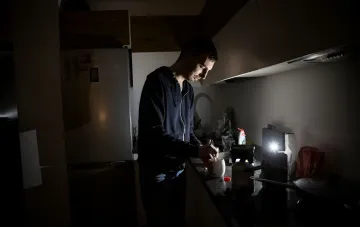
When electricity disappears, it is important not only to provide lighting but also to act correctly regarding household appliances. First of all, all electrical appliances must be unplugged from outlets—this will protect them from power surges at the moment electricity is restored. When the power comes back, devices should be connected gradually, starting with the most necessary ones, rather than turning everything on at once. A separate warning applies to elevators: during emergency outages, they must not be used even when there is temporary power in the building, as the electricity supply can disappear suddenly and a person risks getting stuck in the cabin.
Heat, Carbon Monoxide, and Invincibility Centers
Winter power outages are dangerous due to the rapid cooling of the premises, especially if heating depends on electricity. To keep warm, it is recommended to use simple measures: close windows and doors, insulate gaps, wear warm clothing, and gather in one room. Special attention should be paid to carbon monoxide: if you experience a headache, dizziness, nausea, weakness, or other signs of poisoning, you must immediately go out into the fresh air and call 112. Do not return to the room until its safety has been checked. If your home has no electricity, heat, or water, you can turn to invincibility centers where you can warm up, charge gadgets, and receive basic assistance according to the capabilities of each specific location.
Caring for Neighbors and Vulnerable People
An equally important part of preparation is paying attention to those living nearby. After a blackout, it is worth visiting lonely neighbors, especially elderly people, and making sure they have water, food, necessary medications, and know where to turn for help. In a multi-day blackout, such simple actions can be decisive for the safety of vulnerable categories of the population. Mykola Lukashuk's recommendations emphasize that readiness for a prolonged blackout is not a one-time action, but a continuous practice that needs to be maintained at the level of every household.