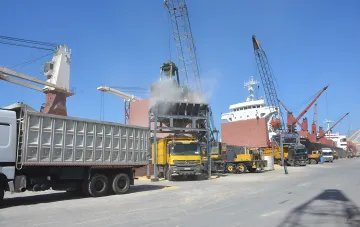
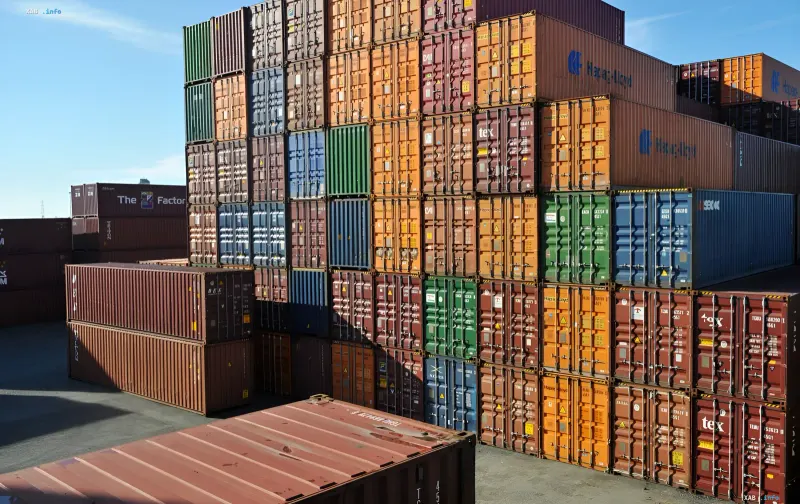
Ukrainian logistics is facing a serious crisis. International container lines have decided to temporarily cancel ship calls to the ports of Odesa due to security threats. This decision, dictated by military risks, triggers a chain reaction that will inevitably lead to rising prices for imported goods and deal a blow to domestic exporters.
The situation is exacerbated by the fact that Russian forces have intensified attacks on Black Sea maritime hubs precisely during a period critical for the agricultural sector. As a result, the operation of the Greater Odesa ports is effectively blocked, and export and import cargo are forced to seek detours.
Who is leaving Ukrainian ports
Global giants of maritime transport were the first to react to security risks. Companies such as Maersk and CMA CGM have already temporarily suspended ship calls to Greater Odesa. Instead, their cargo ships are being rerouted to the neighboring Romanian port of Constanța.
The decision to reroute ships is made quickly. Container lines operate on a strict schedule, and any uncertainty forces them to change routes promptly to preserve tonnage and ensure the continuity of global supply chains.
Hit to the wallet: what will get more expensive
For the average consumer, the shutdown of container terminals means one thing — rising prices. A significant portion of imported goods enters Ukraine in containers. Any complication in logistics automatically creates additional costs for carriers, which are ultimately passed on to the final price of goods on the store shelf.
Experts note that even after the security situation stabilizes, prices will not return to previous levels instantly. Restoring equipment balance and repositioning empty containers is a lengthy process that could take months.
Export under threat
Not only imports but also the export of finished products has come under attack. The list of goods whose shipment is hindered includes sunflower oil, food products, and furniture. Decisions by international companies hit domestic businesses, depriving them of their usual sales channels.
Viktor Berestenko, President of the Association of International Freight Forwarders of Ukraine, emphasizes the scale of the problem: we are talking about thousands of containers currently awaiting shipment or arrival. The need for their additional storage, rerouting, and route changes creates a colossal load on the logistics system.
Long-term consequences
Specialists warn: even if the threat of shelling passes, restoring normal operations will take time. According to Berestenko, services can be returned within a few weeks after stabilization, but the increased cost of transportation will persist for months. This is due to the need to return tonnage and restore the balance of the container fleet.
At present, export and import shipments are being urgently reoriented to alternative land and river routes; however, they cannot fully compensate for the throughput capacity of maritime terminals, which only exacerbates the logistics crisis.