"Blue Wave": Democrats Capture Both Houses of Congress
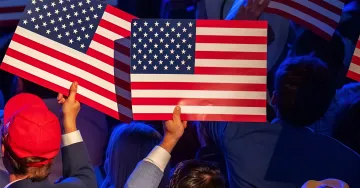
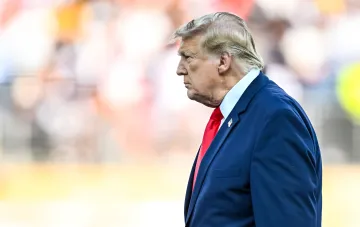
The US midterm elections held on November 3, 2026, concluded with a decisive victory for the Democratic Party. Following the vote, Democrats secured majorities in both the House of Representatives and the Senate, while also winning several key gubernatorial races, including in Texas and Ohio. Analysts paid special attention to Democratic Senate victories in traditionally Republican states—South Carolina, Texas, Kansas, and Iowa—allowing the party to regain control of both chambers of Congress. President Donald Trump acknowledged the election results, which observers noted reduced the risk of a protracted political crisis surrounding the legitimacy of the vote.
Markets React: Dow Jones Adds 1,024 Points
Stock markets reacted to the election outcome with a sharp surge, which investors attributed to the removal of some political instability concerns. The Dow Jones Industrial Average rose by 1,024 points, or 2%, the S&P 500 added 2%, and the Nasdaq Composite climbed 1.5%. On Wednesday morning, major tech stocks showed broad gains: Apple rose 6%, Amazon 7%, Alphabet 5%, Microsoft 6%, and Meta Platforms 2%. Meanwhile, SpaceX shares fell 2% and Nvidia dropped 1%, indicating a differentiated market reaction within the technology sector.
Tech Split: Giants Grow, AI Sector Under Pressure
Amid the general rally, shares of artificial intelligence-focused companies came under selling pressure due to fears of increased regulation. The SOXX Semiconductor index lost 1%, the neocloud NCLD ETF dropped 6%, CoreWeave shares fell more than 7%, and Nebius dropped over 4%. According to Saxo Chief Investment Strategist Charu Chanana, the sharper decline in Nasdaq futures reflects investor anxiety that the shift in congressional control could lead to tighter oversight of AI and major tech corporations, especially amid doubts over inflated sector valuations.
Data Centers: The Main Risk for the AI Industry
The election results heightened concerns over potential bipartisan rivalry over the next two years and the impact of new rules on the wave of investment in data center construction—a key growth driver for the AI industry. Speaking after his victory, Democratic Senate candidate and Texas representative James Talariko told CNBC that Democratic control, particularly in the Senate, "will create significant hurdles for artificial intelligence and technology legislation in Washington over the next two years." In his view, the outcome in Texas has become the "biggest challenge" for tech and AI investors, as the state is expected to account for roughly 25–30% of total US data center capacity. At the same time, according to Fortune, accelerated project implementation in recent years has faced growing opposition from local communities, further increasing the risk of delays or reduced investment in AI infrastructure.
Experts: Political Gridlock and Strict Oversight
Prashant Newnaha, senior rates strategist at TD Securities in Singapore, noted that the Democratic victory increases the likelihood of a political gridlock in Washington and opens the prospect of stricter control over tech and AI companies. The wave of investment in artificial intelligence has been one of the key drivers of global stock market growth in recent years, with major tech corporations channeling hundreds of billions of dollars into building data centers and expanding computing power. Under these conditions, any factor capable of slowing infrastructure expansion takes on special significance for investors.
Broader Context: From Budgets to Cryptocurrencies
According to Reuters, the election results could impact a wide range of politically significant areas—ranging from investments in AI data centers, budget outlooks, and defense spending to regulations in healthcare, the banking sector, and cryptocurrencies. Thus, the "blue wave" in the midterms is shaping a new political landscape where the balance between incentives for technological growth and increased oversight will be one of the central issues for the US economy and global markets over the next two years.