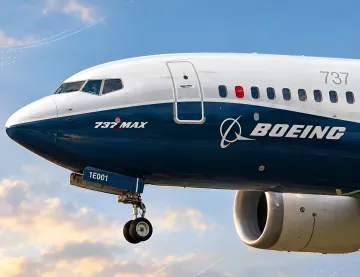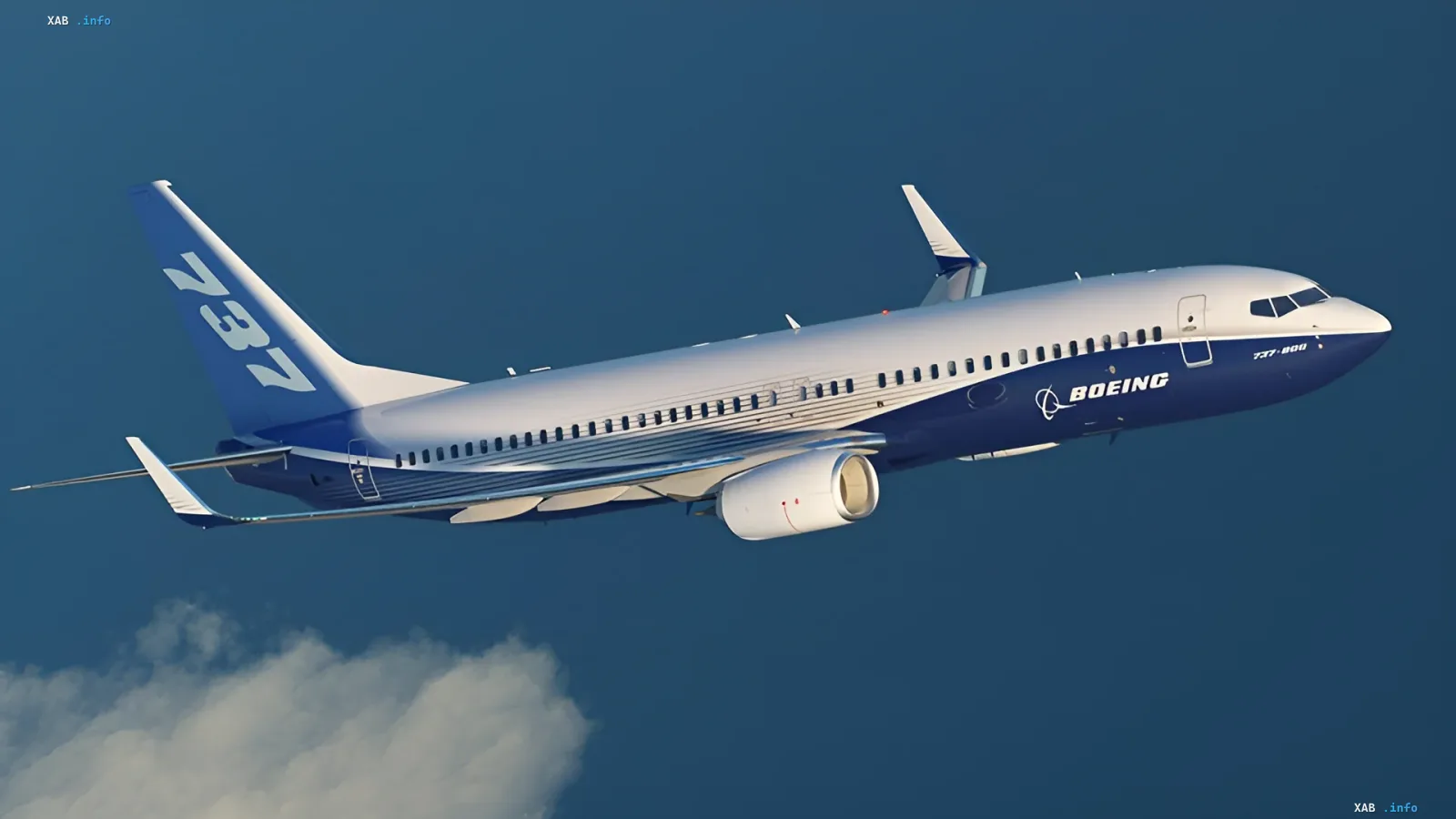
A 70-gigabyte archive has appeared on the black market for digital information, allegedly containing critically important engineering documentation from the American aerospace giant Boeing. The perpetrator has put files related to the production of two of the company's key models up for sale — the Boeing 737 and the Boeing 787 Dreamliner. For access to this data set, the hacker is asking for approximately $200,000, while remaining open to negotiations regarding a price reduction.
Source of the Leak: Sekisui Aerospace
According to the investigation, the alleged source of the leak is Sekisui Aerospace, the American subsidiary of the Japanese chemical giant Sekisui Chemical. Sekisui Aerospace specializes in the production of components made from composite and thermoplastic materials and is a strategic supplier for the Boeing 737 and 787 programs. If the authenticity of the data is confirmed, the incident points to a serious breach in the information security system of one of the key links in the global supply chain of the aviation industry.
Archive Contents and Technical Details
The seller claims that the archive contains not just text files, but a full engineering package. It includes working drawings in PDF format, engineering STEP files (a standard format for 3D modeling), 3D models of assemblies, and material and component specifications. Of particular value are data on manufacturing tooling and detailed descriptions of the technological processes for manufacturing individual parts. According to the hacker, the archive also contains real Boeing catalog numbers, documentation for fuselage elements, wings, load-bearing structures, and aircraft interiors.
Legal and Export Consequences
The situation is exacerbated by the fact that some of the documents, it is claimed, contain markings related to US export control (ITAR). If the files are indeed authentic, their sale could pose not only a threat to trade secrets but also create serious legal problems. Violation of American restrictions on the transfer and export of technical information could lead to international sanctions and criminal prosecution for both the hacker and those who acquire this data.
Broad Circle of Sekisui Aerospace Partners
It is important to note that Sekisui Aerospace cooperates not only with Boeing. Among its clients and partners are Spirit AeroSystems, Triumph Group, NASA, Lockheed Martin, and Northrop Grumman. This raises concerns that the leak could affect a wider range of defense and civilian projects. However, at this time, there is no confirmation that the leak involves secret materials from all these organizations. The incident requires a thorough audit by all companies associated with the supplier.
Contradictory Data
In the context of this incident, a certain contradiction arises in the assessment of Boeing's current security status. On the one hand, the leak of blueprints calls into question the reliability of intellectual property protection. On the other hand, according to the latest news from July 2026, the US Federal Aviation Administration (FAA) returned Boeing's right to self-certify 737 Max and 787 aircraft. This means that the regulator trusts the company to independently confirm the airworthiness of its airliners. Experts note that the leak of blueprints could become a challenge for this trust model, forcing regulators to reconsider the degree of independent control over production processes and data protection.