"Complete Nonsense": Boris Johnson Responds to Accusations of Derailing Negotiations
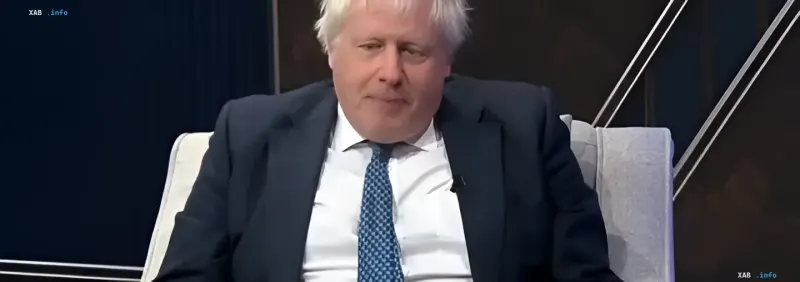
Former UK Prime Minister Boris Johnson has categorically rejected claims that his stance was the decisive factor in the collapse of peace negotiations between Ukraine and Russia in Istanbul in the spring of 2022. In his latest statement, the ex-PM described such versions as "complete nonsense" and emphasized that his sole aim in communicating with President Volodymyr Zelenskyy was to confirm London's firm support in the event that Kyiv decided to continue resistance.
Johnson stated that Western leaders had neither the right nor the ability to interfere in the sovereign decision of the Ukrainian people to defend their independence. According to him, the final decision to continue hostilities was made exclusively by the Ukrainian side, based on the situation on the battlefield at the time and the country's strategic interests.
Negotiation Context: What Happened in Spring 2022?
The negotiation process in Istanbul, held in March 2022, became one of the most discussed episodes of the beginning of the full-scale war. The parties discussed a number of critically important issues, including Ukraine's neutral status, renunciation of NATO membership, and security guarantees. The Russian side insisted on including these conditions in the final document, which sparked sharp debates within the Ukrainian leadership.
According to the Constitution of Ukraine (Articles 85, 102, 116), the strategic course towards NATO membership is mandatory for all government bodies. This created a serious obstacle to signing documents that could limit the country's sovereignty. It is this aspect, experts believe, that became one of the key reasons why the negotiations ultimately did not lead to the signing of an agreement.
Contradictory Data: David Arakhamia's Version
Boris Johnson's statement comes into direct conflict with the previously stated position of David Arakhamia, head of the "Servant of the People" faction in the Verkhovna Rada, who led the Ukrainian negotiating delegation in 2022. In November 2023, Arakhamia stated that the British ex-PM played a key role in Kyiv's refusal to sign the final documents with Moscow.
According to Arakhamia, Johnson said directly: "We will not sign anything with them at all — let's just fight." However, Arakhamia also clarified that Western partners were aware of the course of negotiations but did not make decisions on behalf of Kyiv. Thus, Arakhamia's version suggests that Johnson's influence was more moral and political than direct interference in the decision-making process.
Consequences for International Politics
Disputes over Boris Johnson's role in the collapse of the Istanbul Agreements have far-reaching consequences for international politics. If Arakhamia's version is true, it could undermine trust in Western partners and raise questions about the transparency of decision-making processes. On the other hand, if Johnson's version is confirmed, it strengthens Ukraine's position as a sovereign state capable of making strategic decisions independently.
In any case, this episode remains one of the most discussed in the context of the Ukrainian-Russian conflict. It demonstrates the complexity of diplomatic processes and the importance of taking into account all factors, including internal and external pressures, when making decisions that can change the course of history.
Conclusions: Who is Right in the Dispute Over Istanbul?
At the moment, both sides present their versions of events, and the final answer to the question of Boris Johnson's role in the collapse of negotiations remains open. However, it is important to note that regardless of who is right, the Ukrainian side made a decision that, in its opinion, was best for protecting the sovereignty and security of the country.
This dispute also highlights the importance of transparency and accountability in international relations. In the future, similar situations may become the subject of more careful analysis to avoid misunderstanding and ensure more effective interaction between countries in crisis situations.