Brazilian authorities have taken an unprecedented decision, rejecting visa applications for two high-ranking officials of the US administration. The official refusal was issued to Riley Barnes, Assistant Secretary of State, and Samuel Samson, Deputy Assistant Secretary of State. The reason for such a harsh reaction was the American delegation's intention to visit the country to question the integrity of the Brazilian electoral system.
Attempt to Influence October Elections
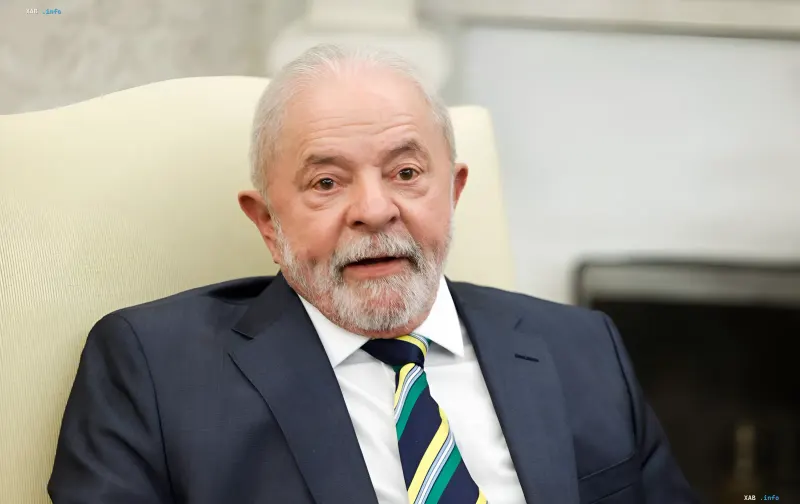
According to sources, the visit of American diplomats was part of a large-scale plan to influence the upcoming presidential elections in Brazil, which will take place in October. In the race for the highest office, incumbent President Luiz Inácio Lula da Silva will face Senator Flávio Bolsonaro. The latter is known as a close ally of US President Donald Trump, making the political situation in the region extremely tense.
The visa denial was a direct response to the alleged attempt to interfere in the internal affairs of a sovereign state. Brazil demonstrated its readiness to protect its democratic institutions from external pressure by blocking access to the country for individuals whose goals contradict national security interests.
Trump Administration's Strategy in Latin America
The events in Brazil are not an isolated case. They are taking place against the backdrop of the Trump administration's active efforts to influence political debates throughout Latin America. American diplomacy is demonstrating a clear line of support for right-wing leaders in the region.
As Reuters notes, the recent "full and unconditional support" for the elected President of Colombia, Abelardo De La Espriella, became a continuation of this strategy. Previously, Washington had already expressed solidarity with leaders such as Javier Milei in Argentina and José Antonio Kast in Chile. However, in the case of Brazil, the attempt to directly interfere in the electoral process led to a diplomatic failure.
Venezuela Crisis and Regional Control
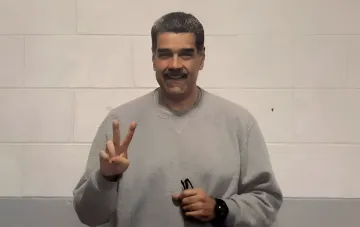
The context for these events was set earlier this year. On January 3, the US carried out a large-scale special operation in Venezuela, during which President Nicolás Maduro and his wife were detained and taken to America. This event radically changed the balance of power in the region.
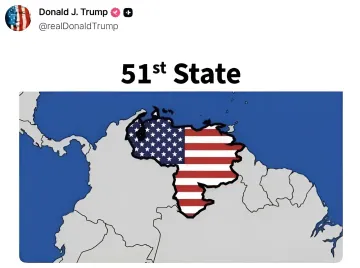
After the arrest of the Venezuelan leader, Donald Trump stated that there would be no pardon for Maduro, as he sees no scenarios for his release. As a result of this operation, Venezuela effectively came under US control, creating a precedent for direct military intervention that is now being attempted to be used in the diplomatic sphere of other Latin American countries.