Global oil benchmarks on Tuesday, October 20, 2026, saw a sharp rise, reaching multi-month peaks. Brent crude futures jumped to $111.75 a barrel, the highest level since May of this year. As of 13:20 Kyiv time, quotes stood at $111.20, adding $1.65, or 1.5%, from the previous close. American WTI crude (November futures) also hit a high not seen since April, climbing to $110 a barrel, though it later corrected to $109.08. The daily gain reached $5.42, or 5.2%, highlighting extremely high market volatility amid geopolitical tensions.
Drivers of the Rally: Houthi Strikes and Shipping Threats
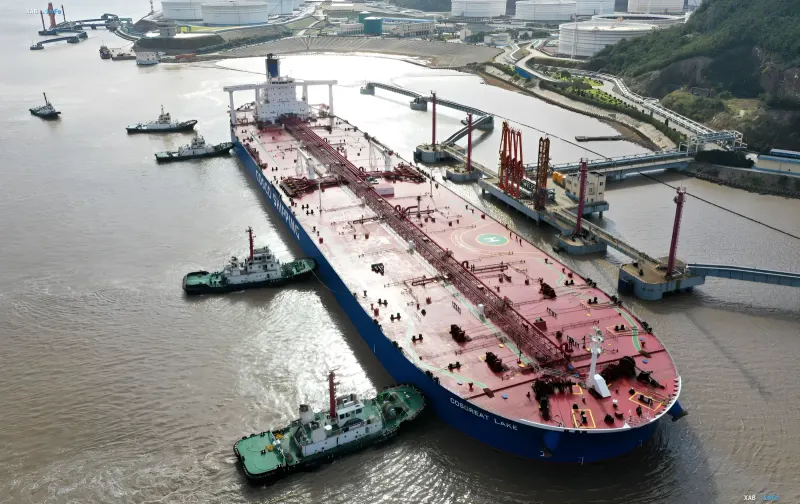
The main catalyst for the surge was a series of statements made by Yemen's Houthi movement on Monday, October 19. According to their claims, militants carried out multiple attacks on energy facilities, airports, and military targets inside Saudi Arabia. The listed targets included an Aramco facility in the port of Yanbu, the Shaybah oil field, King Khalid International Airport in Riyadh, and Abha Airport. Concurrently, reports circulated in the market regarding strikes on vessels in the Persian Gulf, further heightening fears over the uninterrupted flow of oil supplies. Large tankers, similar to the VLCC-class vessel shown in the image operating on Middle Eastern routes, face elevated insurance risks under such conditions, which translates into freight costs and ultimately the final price per barrel.
Riyadh Denies Confirming Attacks
As of publication time, Saudi authorities have not confirmed the Houthi-claimed strikes on their territory. This creates an information vacuum: the market reacts to statements from one side, while the other remains silent. Such asymmetry in event verification is typical for conflicts where one party has an interest in demonstrating the scale of attacks, while the other seeks to minimize public resonance. The absence of official data regarding damage to Aramco infrastructure or airports makes it impossible to either confirm or deny the level of damage claimed by the Houthis.
Analysts Point to a “Risk Premium”
ING bank analysts noted in a market commentary that oil prices remain elevated, indicating that a “significant risk premium is being priced in given the instability of the situation.” According to their assessment, investors and traders are hedging against potential supply disruptions even if no direct physical damage to infrastructure has been confirmed yet. This means that even in the absence of large-scale destruction, the market may hold quotes near current peak levels until definitive information is received from Saudi authorities and Persian Gulf shipping participants.
Context: Trump's Statements and Conflict End Expectations
The price increase comes against the backdrop of prior statements by US President Donald Trump, who declared a few weeks ago that the US war with Iran would “end soon” and therefore oil prices would “drop sharply.” In practice, the market did not respond to these words with a drop in quotes, but instead accelerated its growth amid new escalation signals. The disconnect between Washington's rhetoric and the dynamics of the commodity market underscores that traders focus on operational events—Houthi statements, reports of incidents in the Gulf—rather than politicians' strategic forecasts. In upcoming sessions, Riyadh's response and data on regional oil logistics will remain key factors.