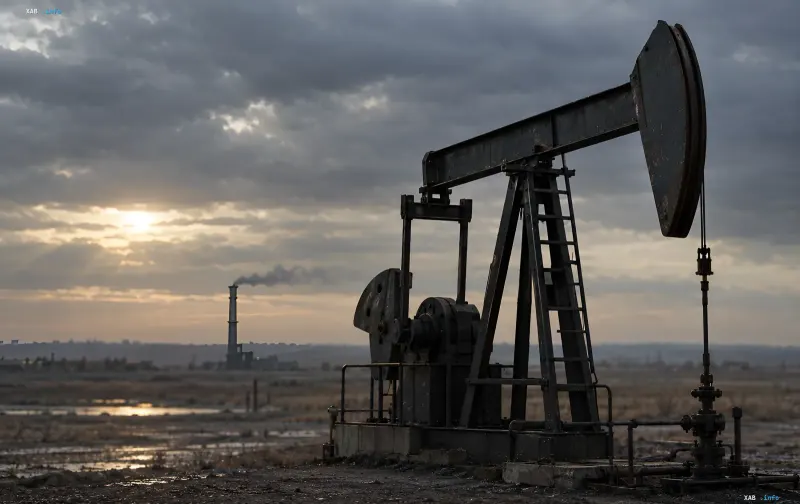
On Friday, October 30, global oil prices continued their upward trajectory, securing a fourth consecutive month of growth. Brent crude futures for December delivery, expiring on Friday, rose by $1.20, or 1.04%, to $116.08 a barrel as of 03:23 GMT. The more actively traded January contract added $1.39, reaching $112.19. U.S. West Texas Intermediate (WTI) crude gained $1.37, or 1.34%, to $103.37 a barrel. By the end of October, Brent is up nearly 11% and WTI up 14%, marking the fourth straight month of positive momentum for both benchmarks.
Tanker Attack in the Strait of Hormuz
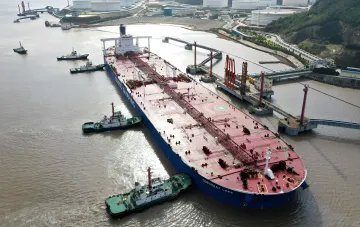
The immediate catalyst for the morning rally was a report from the United Kingdom Maritime Trade Operations (UKMTO) stating that a tanker in the Strait of Hormuz — a vital shipping lane for oil and fuel from the Persian Gulf — was damaged on Friday by explosive devices attached from a small vessel. The identities of the attackers have not been established at the time of publication. The incident occurred against the backdrop of an eight-month-long military conflict between the US, Israel, and Iran, which significantly heightens the risks of supply disruptions from the region. According to sources, new strikes on Saudi Arabia's oil infrastructure were also recorded during the same period, further intensifying tensions in the energy market.
Analyst Assessments: Diplomatic Impasse Maintains Risk Premium
“Ongoing hostilities near the Strait of Hormuz amid doubts over the viability of a diplomatic path are keeping oil prices high in anticipation of an escalation of the conflict in the coming weeks,” said Saul Kavonic, head of energy research at MST Marquee. The analyst stressed that the market is pricing in a scenario of further escalation rather than de-escalation, as none of the parties to the conflict show a willingness to compromise. This uncertainty is what creates the so-called “geopolitical risk premium,” which keeps prices at historically high levels.
Preparation for Massive Strikes and Signals from Washington
The market context is also shaped by fresh signals from Washington and Jerusalem. According to available reports, the US and Israel have prepared a plan for large-scale strikes against Iran, which could target the country's leadership, energy and nuclear infrastructure, and strategic transport hubs. The Wall Street Journal reported that the US side has warned several Persian Gulf nations about the likelihood of a renewed short-term war with Iran following the midterm congressional elections. Israeli Prime Minister Benjamin Netanyahu, in turn, publicly hinted at a possible resumption of hostilities, stating that Israel and the US have been given a “unique opportunity” to deliver a crushing blow to Iran. Combined, these statements leave the market no room for optimistic scenarios in the medium term.
What's Next: Key Drivers for Prices
In the coming weeks, oil price dynamics will depend on several factors: the outcome of potential strikes on Iranian infrastructure, the state of navigation in the Strait of Hormuz, and the response of the diplomatic track. Four consecutive months of rising prices indicate that the market has shifted from a “crisis premium” mode to a sustained reassessment of risks. For consumers and importing economies, this means continued pressure on fuel budgets and inflation expectations in the fourth quarter of 2026. Observers recommend monitoring UKMTO reports on shipping conditions in the strait, as well as official statements from the Pentagon and the Israeli Ministry of Foreign Affairs as key indicators of future price trajectories.