
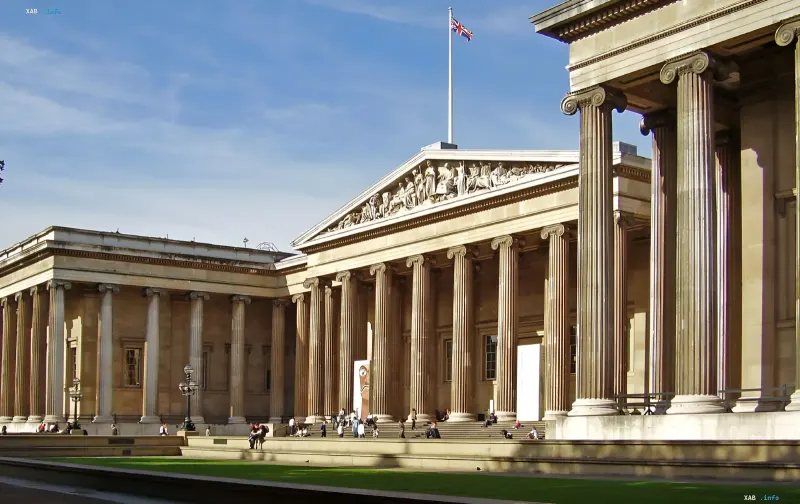
The UK government has officially confirmed that admission to the permanent collections of England's national museums and galleries will remain completely free for all visitors, including international tourists. This decision puts an end to prolonged discussions regarding an initiative that could have fundamentally altered a long-standing British cultural tradition.
Scale of the Decision and Affected Institutions
The approved rules apply to 15 leading national museum institutions across England. This list includes world-renowned cultural hubs such as the British Museum, the National Gallery, and Tate galleries. It is important to note that free access is guaranteed exclusively to the permanent exhibitions of these venues, while organizers still retain the right to charge admission fees for large-scale temporary exhibitions and special projects.
Ministry of Culture Position and Debates
UK Culture Secretary Lisa Nandy clearly outlined the government's stance, emphasizing that national museums must remain free forever and for everyone. Nevertheless, the preceding months were marked by serious debates within government circles. Officials seriously considered introducing a ticketing fee for overseas visitors against the backdrop of rising operating costs for cultural institutions and a decline in real terms government funding.
Contradictory Data
During the reform discussions, the expert community and cultural sector representatives were divided in their views. On the one hand, proponents of monetization pointed to a critical lack of funds for maintaining historic buildings and restoring collections amid inflation. On the other hand, critics warned that dividing tickets by residency status would create massive logistical hurdles at entrances, increase bureaucratic burdens on staff, and ultimately deter some tourists, reducing overall museum attendance.
Historical Context and Significance
The tradition of free access to England's national treasures in its modern form was established on December 1, 2001. Preserving this standard in current economic realities reaffirms the consistency of British cultural policy, which views art accessibility as a vital element of social well-being and the country's appeal for international tourism.