Against the backdrop of an ongoing conflict surrounding one of Ukraine's largest mineral water producers — the IDS Ukraine group, which produces the "Morshynska" brand — the dispute between the state and Western shareholders is intensifying. According to RBC-Ukraine, citing The Guardian, the family of the late businessman Badri Patarakachishvili, which owns 34% of the company's shares and whose members are British citizens, is preparing a multi-million-dollar dispute in international arbitration bodies. The trigger was the Agency for the Reorganization and Management of Assets (ARMA) attempting to appoint an external manager for the enterprise.
What is happening around IDS Ukraine
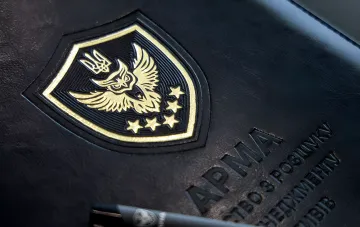
As of September 7, 2026, the case is being heard in Ukraine's High Anti-Corruption Court. In the course of the proceedings, ARMA is trying to approve an external manager for the assets of the "Morshynska" producer. Previously, the agency had reported a cyberattack amid criticism of the competition to select a manager, linking the hack to an attempt to sabotage it. The company, for its part, emphasizes that it operates exclusively within the legal framework of Ukraine and strictly complies with financial legislation.
The Patarakachishvili Family's Position
The British family of shareholders emphasizes that it is a consistent supporter of Ukraine and has backed the country since the start of the full-scale invasion. "We are defending our position in the relevant proceedings in Ukrainian courts and authorities. If we cannot obtain justice in Ukraine, we will turn to international courts," a representative of the Patarakachishvili family stated. The investors point out that the attempt to seize property from lawful owners without proven guilt undermines the guarantees of protection of private property rights.
Risks to the Investment Climate
Lawyers warn that setting a precedent for the forced seizure of a stake from foreign shareholders will send a negative signal to all investors planning to invest in Ukraine's reconstruction. In their assessment, potential multi-million-dollar compensation payments and the loss of trust from the global business community may prove more costly than the benefit of appointing an external manager. Thus, the dispute over IDS Ukraine goes beyond a corporate conflict and becomes a test of the resilience of the country's investment guarantees.
Contradictory Data
The parties' versions of the circumstances surrounding the ARMA competition diverge. The agency claims that the cyberattack was an attempt by the business to sabotage the competition to select an asset manager, linking the cyberattack to resistance against the procedure. Representatives of the company and the shareholders, however, offer their own assessment of the events, pointing to the opacity of ARMA's competitive procedures and the absence of proven guilt on the part of the lawful owners. So far, neither version has received final judicial confirmation, and the outcome of the case in the High Anti-Corruption Court may determine whether the dispute will be escalated to international arbitration.
Operational Resilience of "Morshynska"
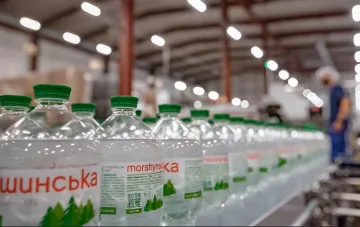
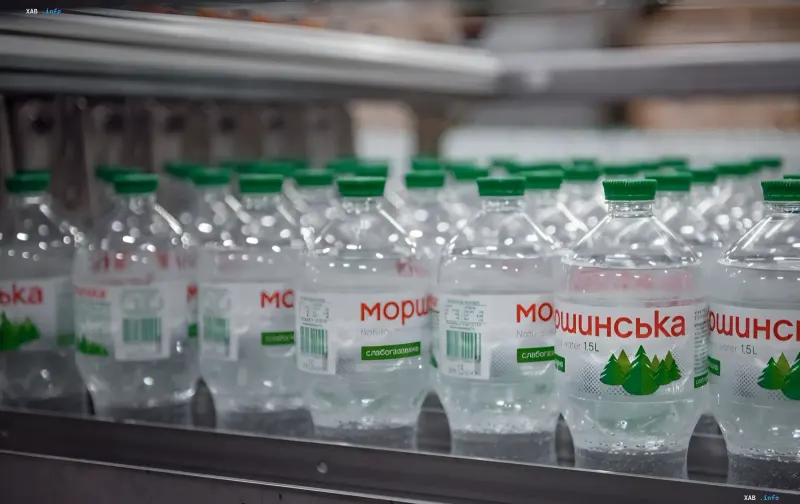
Despite the legal conflict, the IDS Ukraine group continues production and supplies Ukrainians with drinking water even during rocket strikes. Shelves in stores still carry 1.5-liter bottles of "Morshynska" with the company's signature green logo. For consumers and the market, this means that the enterprise's operational activity is maintained; however, uncertainty in management and a possible international arbitration create long-term risks for the business and for the perception of Ukraine as a platform for foreign investment.