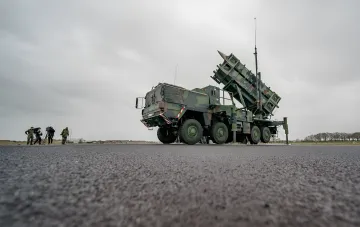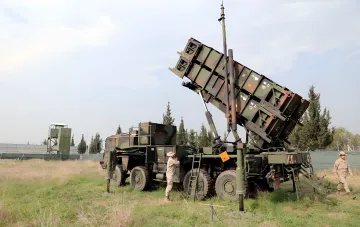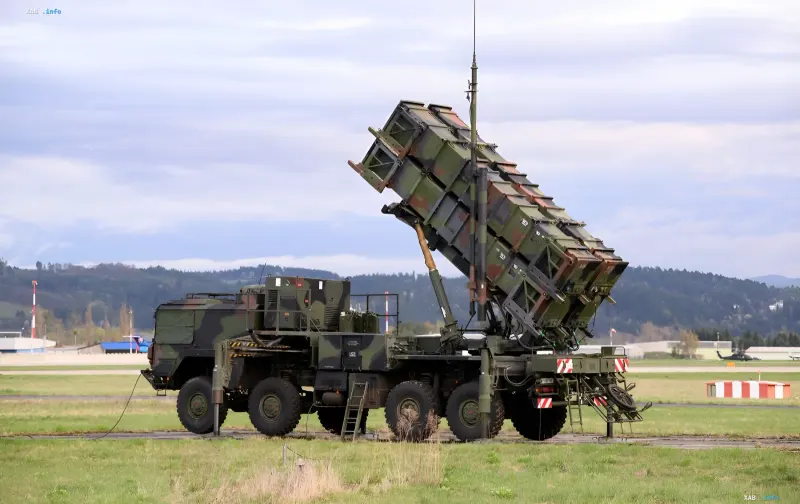
The European Commission has launched an initiative that could alter the logic of supplying Ukrainian air defense: EU member states are urged to transfer Patriot interceptor missiles from their own stocks to Kyiv, receiving in return new ammunition that Ukraine has already ordered for delivery in 2028–2029. This was announced by European Commissioner for Defense and Space Andrius Kubilius, as quoted by RBC-Ukraine with reference to the Rapporteur publication. In his assessment, the shortage of ballistic missile interceptors has become one of the most acute problems for Ukraine, especially against the backdrop of Russia ramping up ballistic missile production.
Exchange mechanism instead of unilateral supplies
Kubilius emphasized that Brussels' task now is to persuade member states to conduct an exchange, rather than relying solely on long-term procurement. "Our task now is to try to talk to member states to convince them to perform such an exchange," the commissioner noted. Brussels is urging allies to act immediately, as waiting for new production cycles leaves Ukrainian air defense vulnerable in the near term.
Interceptor shortage and rising Russian production
According to Brussels' estimates, Russia could fire about 2,000 ballistic missiles at Ukraine in 2026, compared to about 1,000 the previous year. For comparison, the U.S. produces only about 700 such missiles per year. This gap between Russian production rates and the capabilities of Western arsenals, according to Kubilius, makes the situation critical and requires immediate steps from European capitals.
Financing and expanding European production
In parallel with the exchange initiative, the EU presented a new support instrument for Ukraine worth 45 billion euros, of which 25 billion euros will be directed toward strengthening the military. Furthermore, the European Commission plans to utilize 21 billion euros remaining from the SAFE loan, as well as a future defense pact between the EU and Ukraine. These measures are designed to increase European air defense production and reduce dependence on American missiles. Kyiv already has contracts for Patriot PAC-2 and PAC-3 missiles for delivery in 2028–2029, and production of PAC-2 is planned to be launched under license in Germany.
Kyiv's response and the stance of allies
President of Ukraine Volodymyr Zelenskyy addressed allies with a similar proposal during a recent "Ramstein" meeting, stating that Ukraine is ready to provide new missiles in exchange for those needed now. Previously, Kyiv had called on the E5 group countries—the UK, Poland, France, Italy, and Germany—to transfer 10% of their air defense missile stocks to Ukraine. However, according to Western media, Patriot missile stocks in EU countries have dropped to critically low levels, explaining the reluctance of partners to give up ammunition from their own arsenals. For instance, in October 2026, Greece refused to supply Patriot missiles to Ukraine, citing the need to maintain its own defense security.
Supply outlook
Against the backdrop of the deficit, partners are looking for additional mechanisms for financing and expanding production. Germany will allocate $300 million for Patriot missiles for Ukraine as part of a joint package with Norway under the PURL program. The U.S. is also working on accelerating the output of scarce interceptors: Northrop Grumman has received a multi-year contract, and Washington has allocated $1.6 billion for PAC-3 missile engines, which Lockheed Martin needs to increase production rates. Nevertheless, European parties do not expect a noticeable improvement in the supply situation until at least a year from now, making the proposed exchange from existing stocks one of the few tools capable of closing the gap immediately.