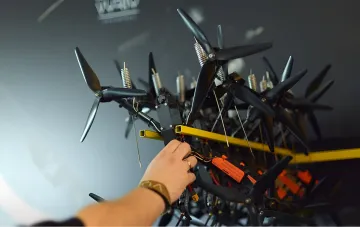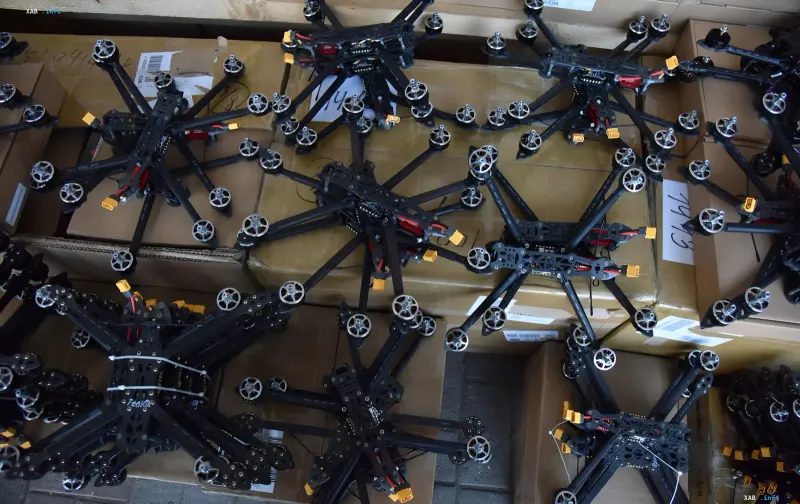
Recently, an increasing number of Ukrainian defense companies have been opening joint production facilities in Europe and on other continents. This is stated in an article titled "Arms Export on Pause: Who Is Slowing Down the Process and Risking the Loss of Ukraine," prepared for RBC-Ukraine. Amid active negotiations on arms supplies and localization, the industry is trying to separate two frequently confused concepts: international production cooperation and full-scale commercial export of Ukrainian products to foreign markets.
Two Different Models: Cooperation and Export
The Technological Forces of Ukraine emphasize that, first of all, it is important to distinguish between international production cooperation and full-scale commercial arms exports. The Build with Ukraine model makes it possible to attract foreign funding and create joint production capacities abroad; however, its key feature is that the products manufactured under the relevant agreements are intended primarily to supply the Ukrainian Defense Forces.
How the Build with Ukraine Model Works
The mechanics are simple: a foreign partner provides funding, a joint production facility is organized, and products are manufactured under agreed terms and within the framework of relevant licenses and agreements for the needs of the Ukrainian army. Thus, the foreign state acts as a partner and a source of financing, while Ukraine remains the end recipient of the products. The sale of manufactured weapons to other foreign customers is not envisaged by this model itself.
What Joint Ventures Provide
For Ukrainian companies, such projects mean access to the market and partner supply chains, safer production conditions, and necessary competencies such as certification, compliance with standards, and maintenance services. This is an opportunity to attract additional resources, expand production capabilities, and increase the volume of arms supplies to the Ukrainian army without waiting for the full opening of export channels.
Why This Is Not a Full-Scale Export
At the same time, calling this model a full-scale entry into the foreign market would be incorrect. Build with Ukraine cannot replace the opening of full-scale exports, where a Ukrainian manufacturer independently takes a place on the international market, competes for foreign contracts, and sells its own products to other states. As long as Ukraine remains the end consumer, it is a matter of production cooperation rather than pure commercial export.
From Export to Relocation
At the same time, experts note a shift in logic: if domestic conditions remain worse than external ones, a joint venture gradually turns from an export channel into an opportunity for relocation. Some manufacturers are already considering opening production abroad, where, according to their assessment, safety conditions are better and there are fewer problems with hiring personnel.
Export Rules and the First Case
Earlier, it was reported that in July the Ministry of Defense announced the terms for arms and technology exports: partner countries of Drone Deal can purchase Ukrainian weapons, and the review period for applications was reduced from 90 to 30 days. The first company to receive a permit for the export of drones under this procedure was F-Drones, which became a practical confirmation of the launch of the export track in parallel with the joint production model.