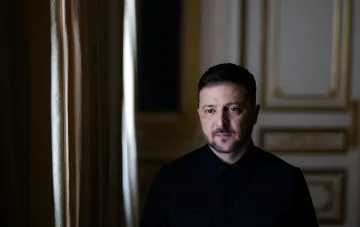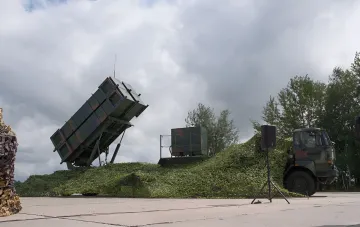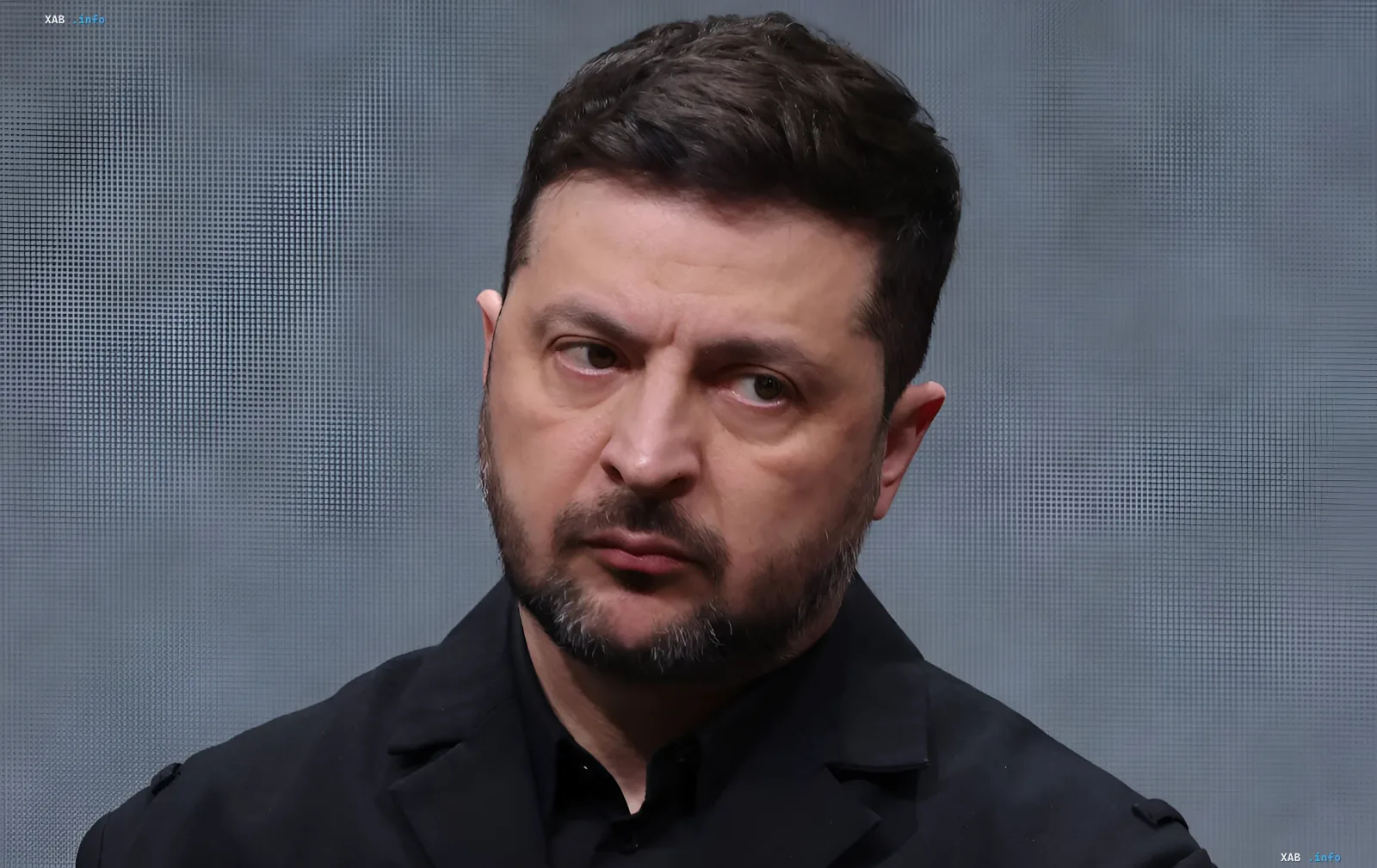
Kyiv, August 9, 2026. Despite the political will of Washington and strategic necessity, the launch of full-scale production of missiles for Patriot air defense systems on Ukrainian territory is postponed indefinitely. Ukrainian President Volodymyr Zelenskyy, in an exclusive interview with the publication 'Yedini Novyny', voiced a pessimistic forecast: due to a complex bureaucratic machine and the need to undergo licensing procedures, the process could take from 12 months to several years.
Political decision made, but 'bureaucracy eats life'
According to the head of state, the key political decision to transfer the necessary licenses to Ukraine has already been made at the highest level in the US. President Zelenskyy confirmed that the American leader and relevant state institutions have given the green light for the transfer of technology. However, as it turned out, the presence of political will does not eliminate the need to go through established legal and administrative procedures.
"The decision is there. It was made by the President of the United States and other important state institutions of America. Ukraine must receive the appropriate licenses," Zelenskyy emphasized. At the same time, he noted that in the conditions of a full-scale war, where every second is worth its weight in gold, standard Western procedures become a critical brake. "Bureaucracy, as I said, eats life because it eats time," the president concluded.
Complexities of the global supply chain and the German example
One of the main problems is the complexity of the technological cycle. The US does not transfer the full cycle of missile production "from start to finish" to one country. The manufacture of components is distributed among several countries, which creates a dependence on complex logistics and coordination. Ukraine is striving to localize the maximum number of production components to reduce the risk of supply disruptions due to political fluctuations in other European countries.
As a vivid example, Zelenskyy cited the situation in Germany. The deployment of Patriot missile production (PAC-2 version) under an American license in Germany took more than two years. At the same time, Ukrainian experts and authorities are striving to set up the production of more modern anti-ballistic PAC-3 missiles, which may require even more thorough elaboration of technologies and security.
Dependence on politics and the need for sovereignty
The President explained why Ukraine wants to minimize dependence on production in other European countries. According to him, political processes, elections, or changes in public sentiment in partner countries can create risks for the supply of critically important weapons. "We really want it, regardless of politics. That is what we are doing," Zelenskyy concluded, pointing to the strategic goal — achieving production sovereignty in the field of air defense.
Contradictory data
While the President of Ukraine points to timelines of "12 months and more," analysts note that the media also features information about agreements on monthly supplies of ready-made missiles. This creates a certain discrepancy in perception: on the one hand, Kyiv expects to receive a license for its own production, which will take years, on the other — a mechanism for regular weapon supplies from the US is already in operation. Experts believe that production in Ukraine is considered a long-term project intended to replace or supplement current supplies, which may be unstable in the long term.
Prospects and expectations
The timelines for launching the production of missiles for Patriot systems in Ukraine will primarily depend on what part of the technological cycle can be localized directly in the country. "If we are talking about 3, 4, 5 European countries, then it is very difficult. Why? Again bureaucracy, again dialogue is needed," Zelenskyy explained. Thus, the speed of launching production directly depends on the flexibility of partners and their readiness to simplify procedures for the sake of Ukraine's security.